REPORTER:
President Lai Ching-te's record US$40 billion special defense budget proposal is finally moving forward, after months of delay in the legislature.
On the first day of a new legislative session, the ruling and opposition parties reached a consensus to advance the spending bill for committee review in early March.
We’re pleased that the cross-party negotiations earlier have shown a glimmer of hope that the [spending bill] will be sent to committee. I hope everyone can move quickly to pass this special defense budget.
Lai proposed the defense budget in November to strengthen Taiwan's defenses and asymmetric capabilities amid rising Chinese threats. But the bill had been repeatedly blocked by opposition parties.
The stalled budget has raised concerns among several US lawmakers. They have asked Taiwan’s lawmakers to take the country’s defense seriously and quickly pass the spending bill.
On Tuesday, Defense Minister Wellington Koo warned that if the legislative stalemate continues, it could also cause delays in Taiwan's weapons procurement from Washington.
Wellington Koo (DEFENSE MINISTER):
It is already too late procedurally to secure the budget before a March 15 deadline. Therefore, we hope the [committee] can authorize the budget in advance. This would prevent delays and avoid postponing or having to restart the capability-building process due to delays signing letters of offer and acceptance.
So far, the smaller opposition Taiwan People’s Party has proposed a watered-down special defense bill, allocating about 1/3 of the funds Lai originally asked for. The larger opposition Kuomintang is also set to unveil its own funding package soon.
Koo stressed that the government’s US$40 billion proposal came after careful consideration and extensive discussions with US officials. Which defense bill will eventually get passed remains to be seen, but its certain that Beijing and Washington will both be watching closely.
---
**Defense Bill Stalemate Draws Warnings as Committee Review Approaches**
REPORTER:
A high priority item on the agenda for the new legislative session is the government’s proposed $40 billion special defense budget. Since it was proposed in November, partisan divides in the legislature have blocked its progress.
Three months after it was originally proposed, President Lai Ching-te's $40 billion defense spending bill has yet to make any legislative progress. Today, defense minister Wellington Koo warned of the consequences of further delays.
Wellington Koo (DEFENSE MINISTER):
In order to secure the budget before March 15, procedurally it is already too late. Therefore, we hope the [committee] can authorize the budget in advance. This would prevent delays and avoid postponing or having to restart the capability-building process due to delays in signing the price letters.
Koo’s warnings come after the opposition Taiwan People’s Party proposed its own version of a special defense bill, allocating about 1/3 of the funds Lai originally asked for. The larger opposition KMT is also set to unveil its own funding package today. During cross-party negotiations today, the ruling and opposition reached a consensus to add the special defense proposals to the agenda for early March, when the relevant committees will be able to review each party’s bill.
Within this special [defense budget], three items: the TOW missiles, Javelin missiles, and the M109A self-propelled howitzer have already had draft offers submitted to us by the US government. According to the procedure, the agreements should be signed and the first installment paid before March 31.
On the US side, President Donald Trump has indicated that in his upcoming meeting in Beijing with Chinese President Xi Jinping, US-Taiwan arms sales may be discussed. Furthermore, a group of 37 US lawmakers sent letters to their Taiwanese counterparts urging them to pass the special defense budget and take the threat posed by China more seriously.
Koo stressed that the government’s $40 billion proposal came after careful consideration and extensive discussions with US officials. Which defense bill gets passed remains to be seen, but its certain that Beijing and Washington are watching closely.
 03:50
03:50 00:52
00:52 04:02
04:02 03:34
03:34 00:31
00:31 00:35
00:35 02:02
02:02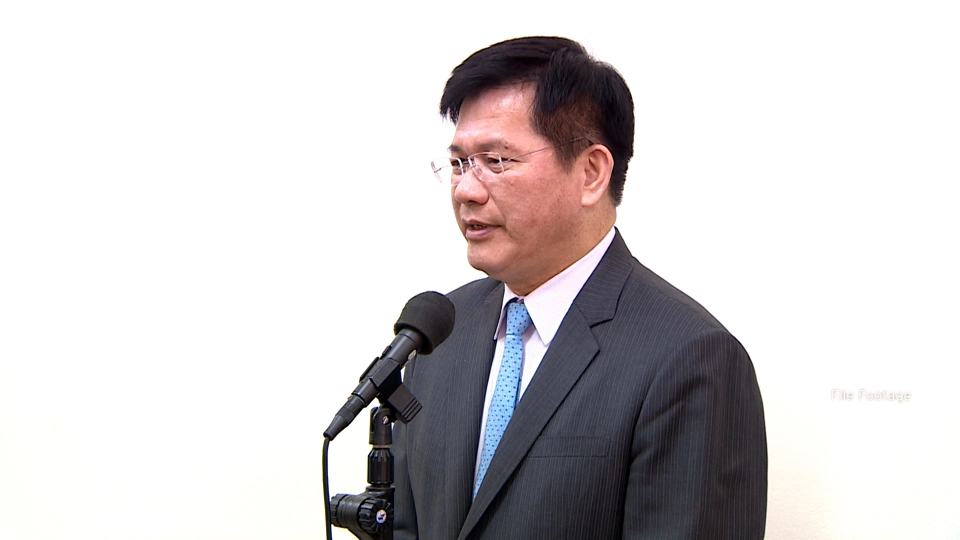 00:41
00:41 00:52
00:52 02:33
02:33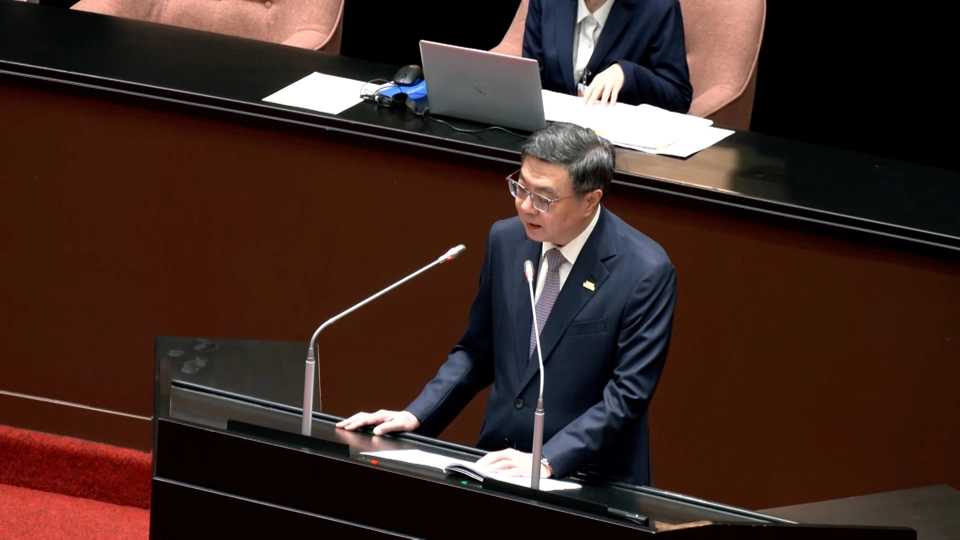 00:26
00:26 04:03
04:03 03:03
03:03 02:06
02:06 01:50
01:50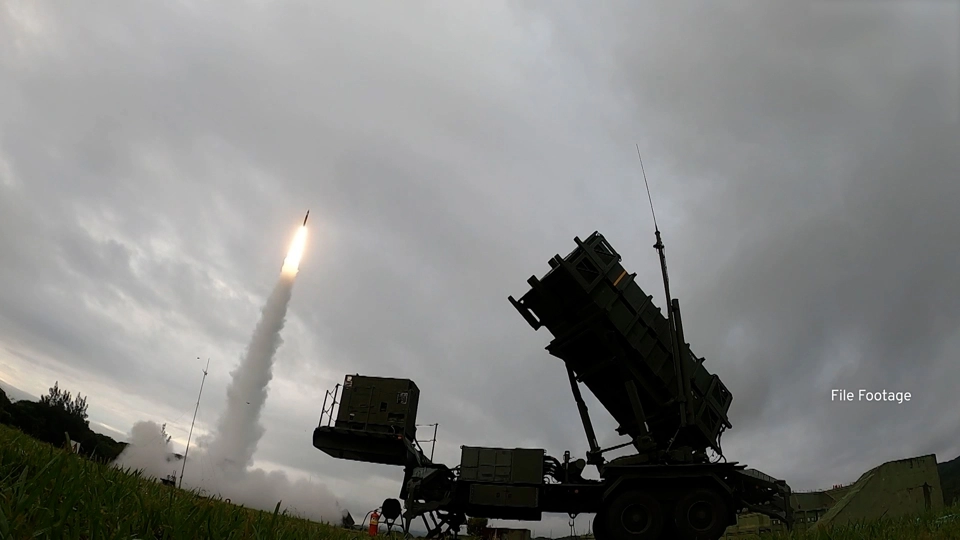 02:56
02:56