Defense Budget Stalemate as Taiwan Lawmakers Return
---
Record $40 Billion Defense Budget Faces Standoff
REPORTER:
President Lai Ching-te has met with the heads of the other four branches of government to resolve their differences. On the agenda is a record $40 billion US dollar special defense budget proposal, which has been stalled in the opposition-controlled legislature since last November.
With lawmakers set to return to work on Tuesday, President Lai stressed the need for unity.
At the start of a new year
we must seize this opportunity
especially as Taiwan faces many challenges
both at home and abroad.
We must turn misunderstanding into understanding
division into unity
turn personal interests into greater national interests
and conflict into harmony.
Lai’s comments come after a growing number of US lawmakers have criticized Taiwan’s opposition parties for stalling the budget proposal. They said Taiwan must take its defense seriously as China increases its threats and aggressions.
So far, the opposition alliance has advanced a watered-down defense spending bill proposed by the smaller Taiwan People’s Party, which only allocates about 1/3 of the funds Lai asks for.
Now, the main opposition Kuomintang also intends to put forward its own version of a spending bill. KMT lawmakers say their priority is to make sure Taiwan purchases weapons it actually needs.
As for arms purchases from the US
whether they actually enhance
the military’s combat capabilities
is the final consideration.
The Cabinet also stressed the need to pass Lai’s budget proposal in a recent report to lawmakers.
The report details the military’s efforts to counter China’s plans to destabilize Taiwan, including buying new asymmetric defense systems -- both from the US and domestically produced -- and pushing for organizational and training improvements.
But Taiwan’s efforts to purchase weapons from Washington could face another source of uncertainty. US President Donald Trump’s recent remarks that he is talking to Chinese leader Xi Jinping about arms sales to Taiwan have raised alarm in Taipei.
As lawmakers get back to work, all eyes will be on whether they can reach a consensus on defense spending like Lai hopes.
Howard Chang and Lery Hiciano in Taipei for TaiwanPlus.
---
Lawmakers Debate Course as Budget Sits in Limbo
REPORTER:
A stalled $40 billion dollar special budget is top of mind as lawmakers return to parliament this week. President Lai Ching-te met with the heads of the other four branches of government to resolve their differences and stress the need for increased defense spending.
We must seize this opportunity
especially as Taiwan faces many domestic and international challenges.
We must turn misunderstanding into understanding
division into unity
personal interests into national interests
and conflict into peace.
While Lai’s government originally put forward its $40 billion proposal in November, it has been blocked in the opposition-controlled legislature. The opposition Taiwan People’s Party (TPP) released its own defense spending bill, allocating about 1/3 of the funds Lai requested and cutting several of his proposal’s big-ticket items, like a missile defense system. TPP Chairman Huang Kuo-chang mentioned the possibility of further US arms sales but called for Taiwan’s democratic process to be respected. Tomorrow, the main opposition Kuomintang is set to release its own military spending plan.
As for arms transfers from the US
whether they actually enhance the military’s
combat capabilities is the final consideration
What’s even worse is that before the legislative recess
Huang Kuo-chang only supported
the TPP’s own version of the defense bill.
So when it comes to defense spending
do they genuinely support it?
The Cabinet has also delivered a report to lawmakers detailing the military’s efforts to counter China’s plans to destabilize Taiwan. The report says that besides buying new asymmetric defense systems, both domestically produced and US-made, the military has also pushed organizational and training improvements.
As the debate between ruling and opposition parties continues, the geopolitical situation around Taiwan gets increasingly tense. Whether this session will see a breakthrough in negotiations remains to be seen.
Howard Chang and Lery Hiciano, for TaiwanPlus.
 03:50
03:50 00:52
00:52 04:02
04:02 03:34
03:34 00:31
00:31 00:35
00:35 02:02
02:02 00:41
00:41 00:52
00:52 02:33
02:33 00:26
00:26 04:03
04:03 03:03
03:03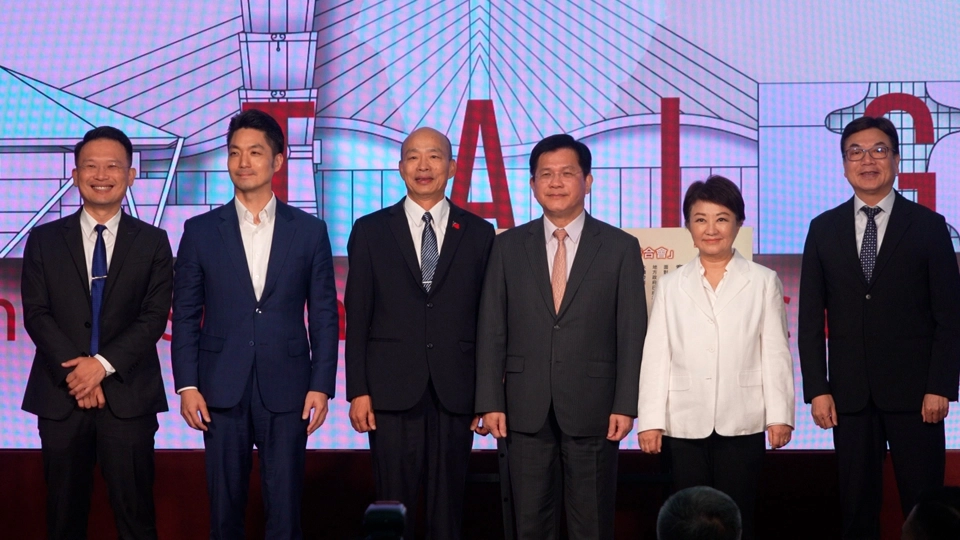 02:06
02:06 01:50
01:50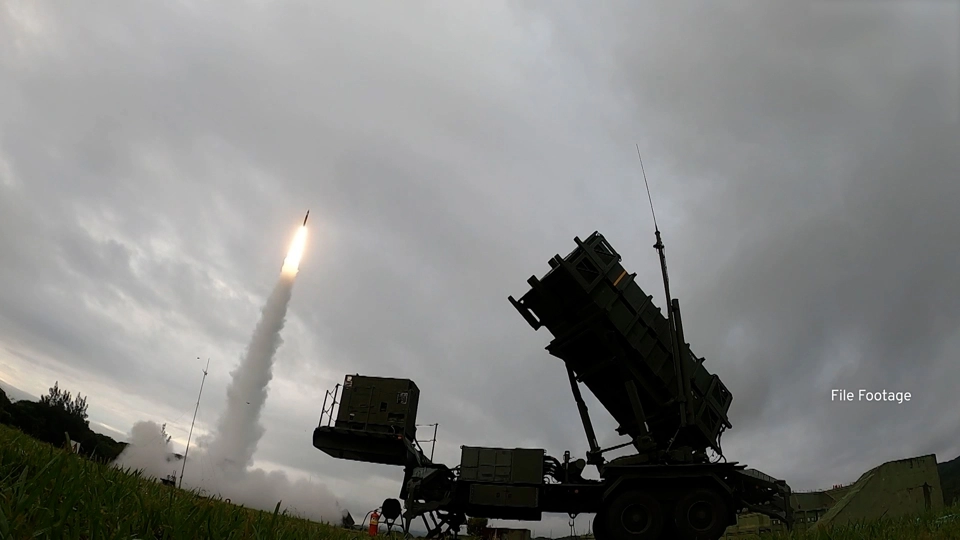 02:56
02:56