REPORTER:
A trade deal with a catch. The US agrees to lower Taiwan’s tariff rate from 20 to 15 percent, and Taiwan pledges to invest 500 billion dollars in the US.
Part of that investment includes 100 billion US dollars from chip giant TSMC. And some of it will also be used to create industrial clusters modeled after Taiwan’s own science parks.
But the negotiating team still faces one last major hurdle. Trade negotiators may have settled on the terms, but the deal must also be approved in Taiwan’s legislature, and opposition heavyweights are already raising doubts.
Cheng Li-wun (KMT CHAIR):
A non-stacked 15% tariff rate is the bare minimum. This is the same rate as Japan and South Korea. What’s there to be so happy about? [Why] have we paid such a huge price?
REPORTER:
In particular, a comment by US Commerce Secretary Howard Lutnick is drawing concern. He says the Trump administration's ultimate goal is to bring 40% of Taiwan’s semiconductor supply chain to the US before the end of Trump’s term.
Chiang Wan-an (TAIPEI MAYOR):
[Everyone] should work hard to reduce the impact on Taiwanese businesses. Many Taiwanese people hope that the government can safeguard [TSMC] and keep its roots in Taiwan.
REPORTER:
Meanwhile, lawmakers from the ruling party praised the conclusion of negotiations, which had gone on for months.
Fan Yun (LEGISLATOR, DPP):
The opposition parties shouldn’t always be so negative. We should praise Vice Premier Cheng Li-chiun and the negotiating team.
REPORTER:
With opposition parties forming a majority in the legislature, their agreement is essential to approving any trade deal. But if the deal falls through, it’ll be back to the drawing board for negotiators on both sides.
 03:50
03:50 00:52
00:52 04:02
04:02 03:34
03:34 00:31
00:31 00:35
00:35 02:02
02:02 00:41
00:41 00:52
00:52 02:33
02:33 00:26
00:26 04:03
04:03 03:03
03:03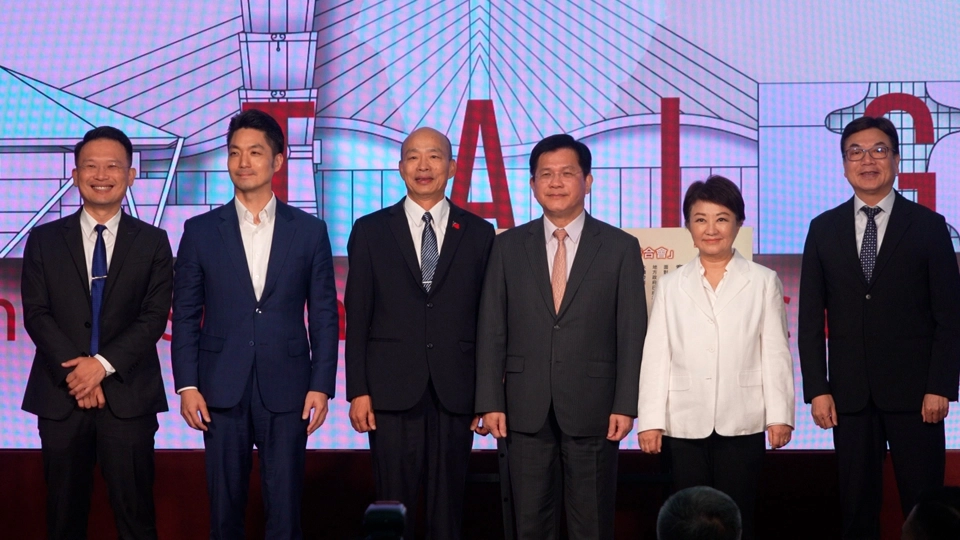 02:06
02:06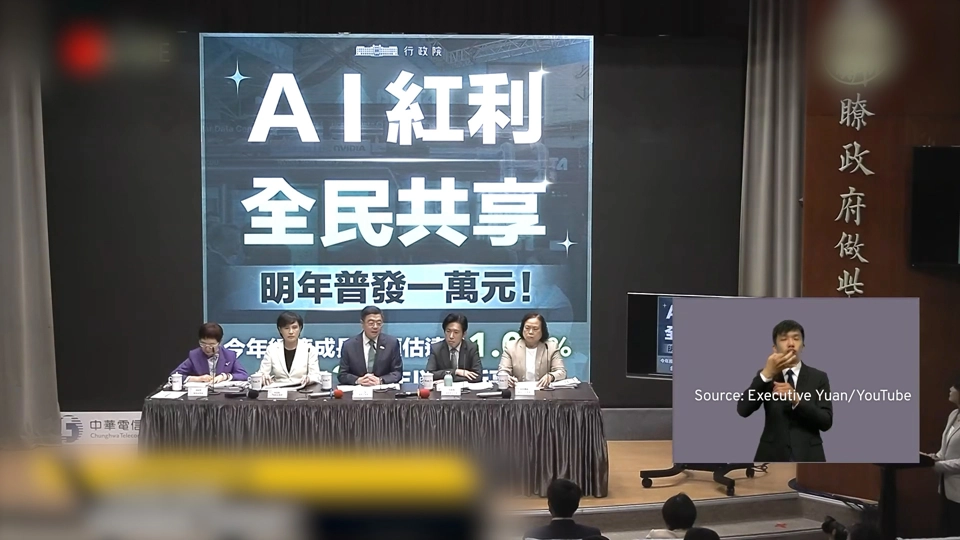 01:50
01:50 02:56
02:56