Taiwan Cabinet Blocks Opposition Spending Bill
REPORTER:
Taiwan’s government is refusing to enact a spending bill recently passed by the opposition-controlled legislature. The move is unprecedented and has sparked a debate over its constitutionality. Alan Lu has more.
REPORTER:
Taiwan’s political parties are once again trading barbs this time, over an unusual legal move by the government.
REPORTER:
On Monday, Premier Cho Jung-tai announced he will not countersign an amended fiscal bill that the president is legally required to sign into law. He says the changes are unconstitutional.
Cho Jung-tai (PREMIER):
We've decided not to countersign the amendment bill into law.
It violates the constitutional principle of separation of powers and substantially infringes on executive authority.
The legislative process lacked openness and transparency as well as meaningful deliberation.
If implemented it would cause serious and irreversible harm to the country’s development.
REPORTER:
The new changes would increase the amount of revenue the central government needs to share with local governments.
REPORTER:
The ruling Democratic Progressive Party says it would force the government to take up to 18.7 billion US dollars in debt, while crowding out spending on other important sectors like defense, AI development, and social welfare.
REPORTER:
The Cabinet had previously asked the legislature to reconsider the spending bill, but that request was rejected.
REPORTER:
President Lai Ching-te has signaled his support for his Cabinet.
Lai Ching-te (PRESIDENT):
Today, Premier Cho Jung-tai acting under the authority granted by Article 37 of the Constitution has decided not to countersign the bill, firmly blocking an unconstitutional and destabilizing legislation from taking effect.
It demonstrates his commitment to the Constitution.
I support this decision.
REPORTER:
But the opposition Kuomintang and Taiwan People’s Party have blasted the move, saying it disrespects the legislature.
Opposition Representative:
If you refuse to countersign and refuse to enforce it then what difference does it make whether the legislature exists or not?
Without a legislature there is no so-called constitutional balance.
That’s administrative dictatorship.
When Lai Ching-te’s dictatorship becomes a reality that will be the moment when the people roar in anger and take a stand.
REPORTER:
With Cho’s refusal, the legislature can now choose to initiate a no-confidence motion against him. If it passes, the premier would be forced to resign, but he can also ask the President to dissolve the legislature.
REPORTER:
For now, though, the opposition appears unlikely to pursue that path. But the deadlock between the ruling and opposition camps remains, with neither side backing down.
 03:50
03:50 00:52
00:52 04:02
04:02 03:34
03:34 00:31
00:31 00:35
00:35 02:02
02:02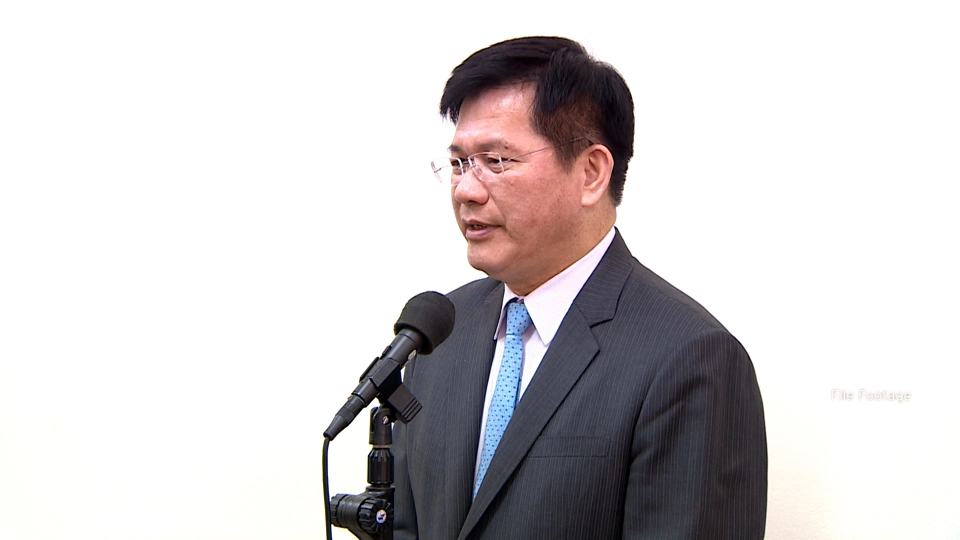 00:41
00:41 00:52
00:52 02:33
02:33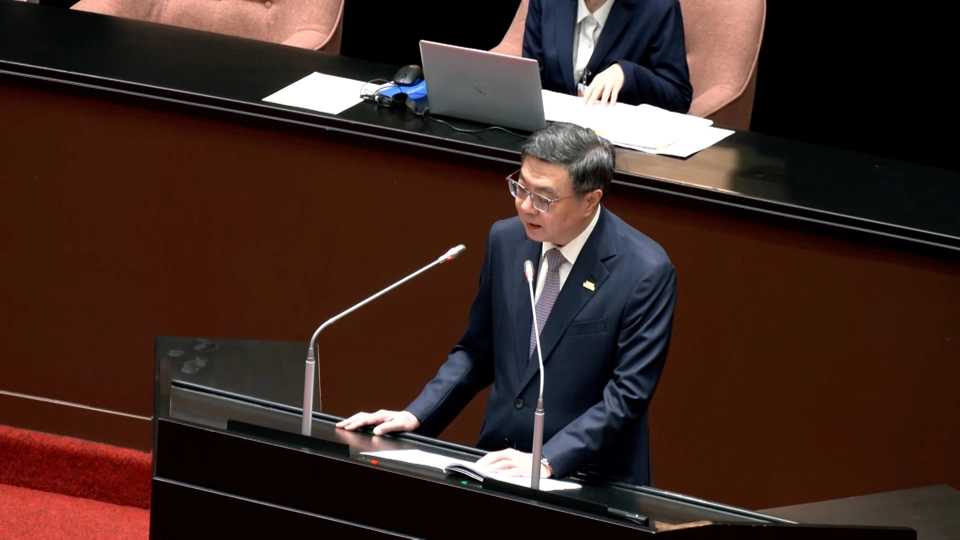 00:26
00:26 04:03
04:03 03:03
03:03 02:06
02:06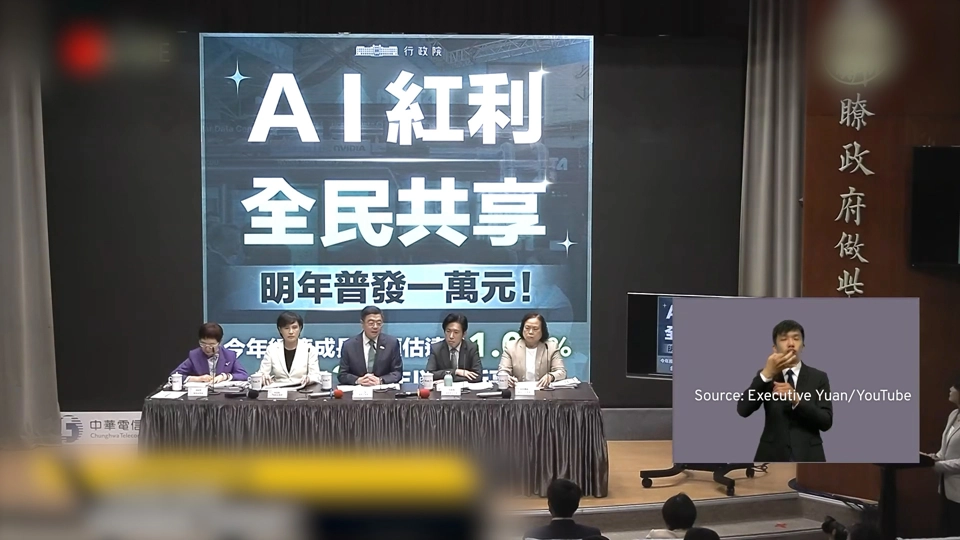 01:50
01:50 02:56
02:56