Taiwan Defense War Games
REPORTER:
Can you provide more details on what a computer-simulated exercise is and why it's important for Taiwan's military?
Su Tzu-yun (DEFENSE ANALYST):
The Han Kuang Exercise is usually divided into several stages. The first is what’s usually called a tabletop war game. The second stage is a map-based simulation like a board game. The third stage is the simulated computer war game. The final stage is the live-fire troop exercise in July.
The [computer simulation] is meant to verify whether the earlier tabletop exercise and war game were effective.
The [computer simulation] will be divided into red versus blue forces. [The exercise] has several different sections including force protection and simulating a Chinese missile attack on Taiwan.
The second part is practicing counterattacks
and the third stage is to test cross-theater support.
REPORTER:
What's different about this year's Han Kuang exercises compared to last year's?
Su Tzu-yun (DEFENSE ANALYST):
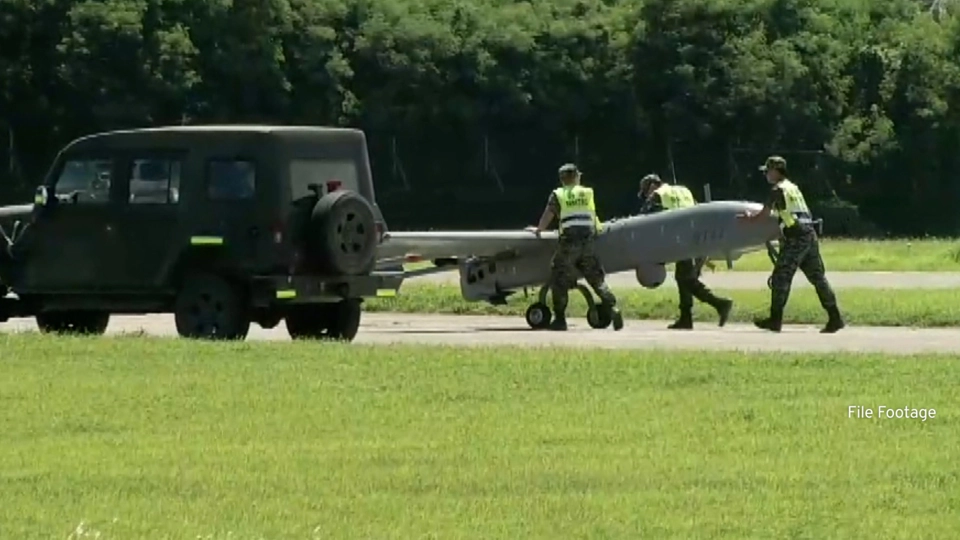
The difference between this year and last year is that the urban resilience exercise and exercises related to civil defense as well as airstrike exercises will all be fully integrated. Second, they will incorporate more training involving drones or [unmanned aircraft systems].
REPORTER:
Lawmakers still haven't passed the special defense budget. Do you think that will have an impact on this year's Han Kuang exercises or exercises moving forward?
Su Tzu-yun (DEFENSE ANALYST):
The first aspect is mainly the political culture because this special budget is actually meant to address threats over the next five to ten years so it has no impact in the short term.
The main concern for this year’s Han Kuang exercise is the impact on morale. There could be an effect on morale because it seems lawmakers don’t have a unified view on the defense budget, that there are divisions. This could send the wrong signal internationally and affect the morale of Taiwan’s armed forces.
 04:02
04:02 00:31
00:31 02:54
02:54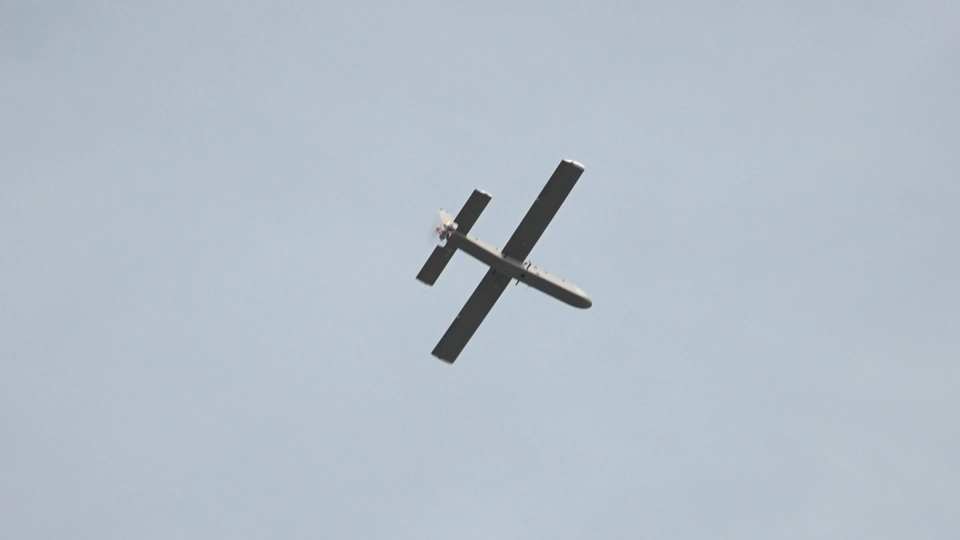 02:33
02:33 04:03
04:03 03:00
03:00 00:26
00:26 00:35
00:35 03:03
03:03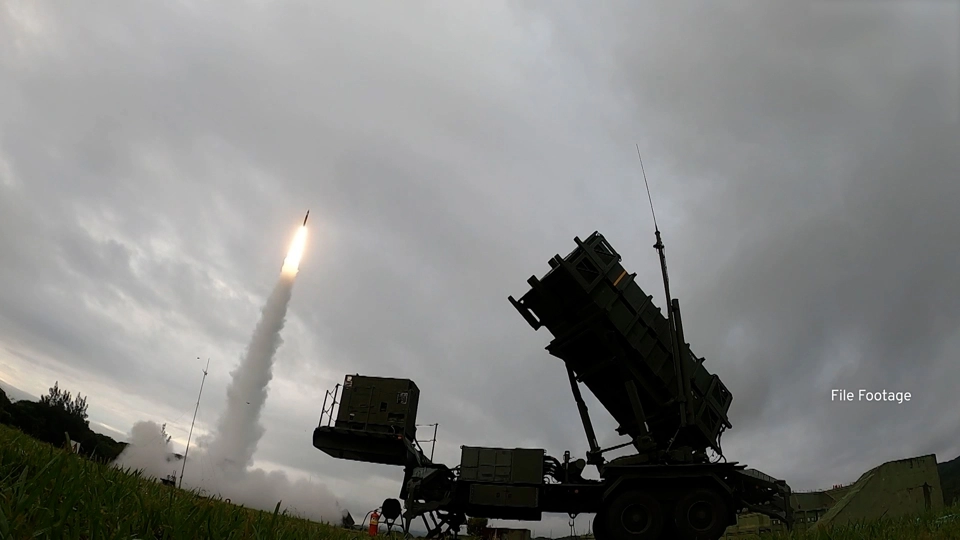 02:56
02:56 00:27
00:27 00:26
00:26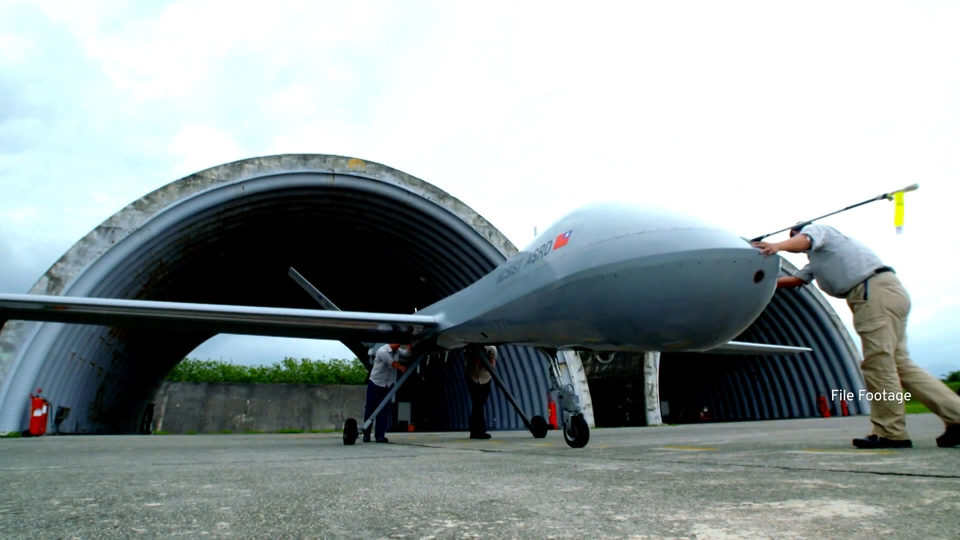 00:33
00:33 03:21
03:21 03:19
03:19 03:23
03:23