*This AI-generated summary is based on reporting by TaiwanPlus and verified by newsroom fact checkers. Learn more about our policy here.
Taiwan’s Anti-Drone Warfare: Preparing for the Future of Conflict
As drones become a ubiquitous presence in both civilian and military spheres, they bring with them both benefits and new challenges. While drones are used for everything from delivering packages to monitoring crops, their lethal potential as weapons of war has prompted countries around the world to invest in countermeasures. Taiwan, aware of the growing threats posed by drones, has taken proactive steps to integrate anti-drone technology into its defense strategy. In a world where unmanned systems are reshaping the future of warfare, Taiwan is working to stay ahead of the curve.
The Rise of Drone Threats
The future of warfare is changing, and unmanned aerial systems (UAS), commonly known as drones, are at the forefront of this shift. Drones are not only inexpensive and easily accessible but their utility for both civilian and military applications makes them a double-edged sword. Militaries around the world are grappling with how to defend against this growing threat, including Taiwan, which has integrated new anti-drone technologies to safeguard its airspace and critical infrastructure.
DronesVision: Taiwan’s Low-Profile Player in Anti-Drone Technology
TaiwanPlus was granted exclusive access to DronesVision, a small but innovative player in the defense technology sector. Founded initially to develop civilian drones, DronesVision shifted focus in 2014 after noticing the increasing prevalence of drones flying in restricted airspace, such as near airports. The company realized the growing danger these drones posed and began pivoting toward creating countermeasures to neutralize them.
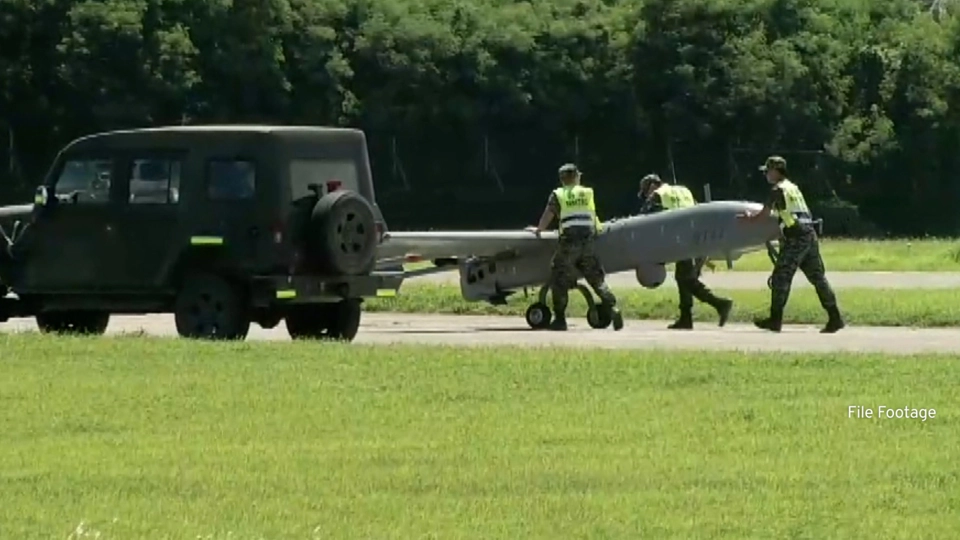
DronesVision began to attract attention when it developed a series of powerful drone-jamming systems. These systems, which are designed to disrupt the communication between drones and their operators, have already been deployed by Taiwan’s military, particularly on the outlying islands of Kinmen, which are in close proximity to China. Drones from across the Taiwan Strait have frequently flown over Taiwanese military bases, prompting the need for robust defense mechanisms.
The Future of Anti-Drone Warfare
As drone technology continues to evolve, DronesVision is looking to stay ahead of the curve. The company has been working to integrate artificial intelligence (AI) into its jamming systems, which could allow these devices to operate autonomously.
Analysts are already warning that the future of military technology will increasingly be shaped by innovations emerging from the commercial sector. Chinese companies dominate the commercial market and the global market is mostly made up of commercial drones.
 04:02
04:02 00:31
00:31 02:54
02:54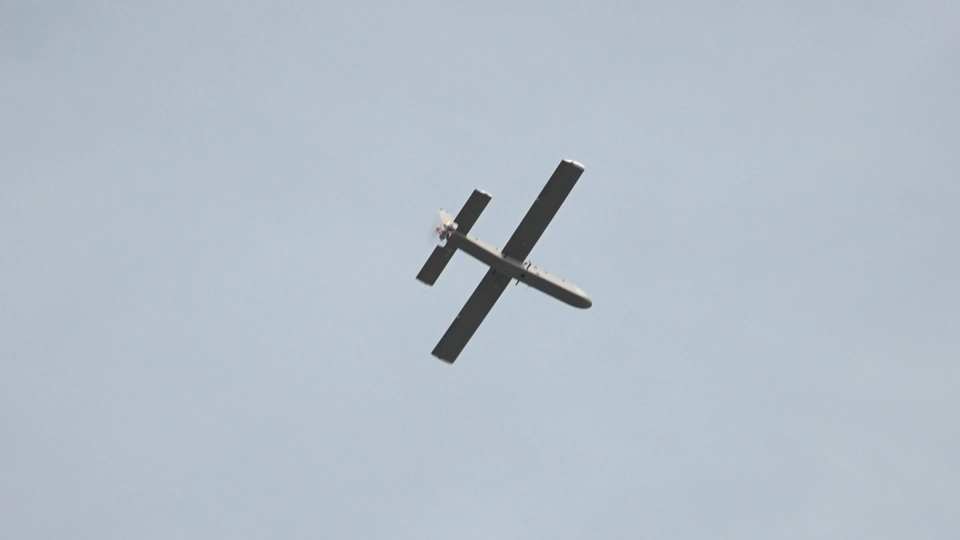 02:33
02:33 04:03
04:03 03:00
03:00 00:26
00:26 00:35
00:35 03:03
03:03 02:56
02:56 00:27
00:27 00:26
00:26 00:33
00:33 03:21
03:21 03:19
03:19 03:23
03:23