Civic Groups Oppose Allowing Foreign Childcare for All Families
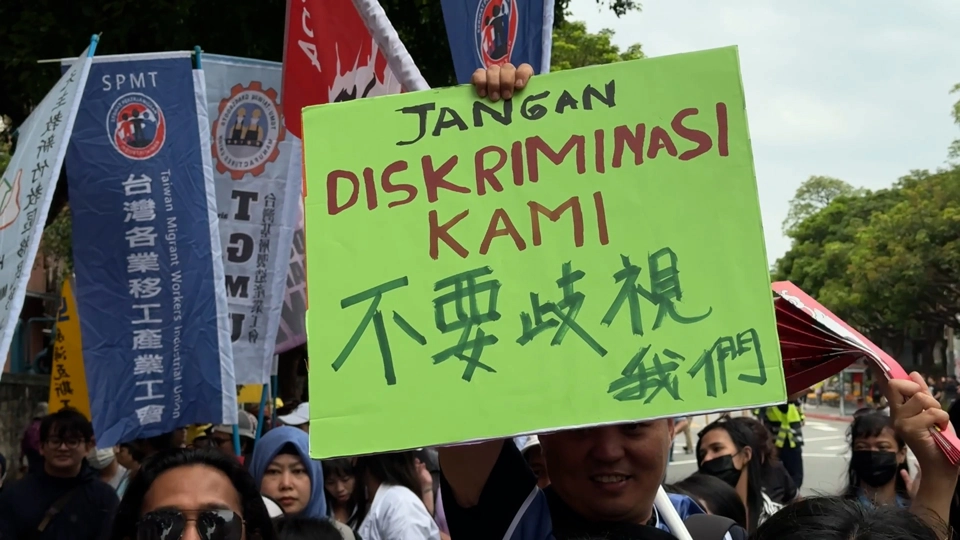
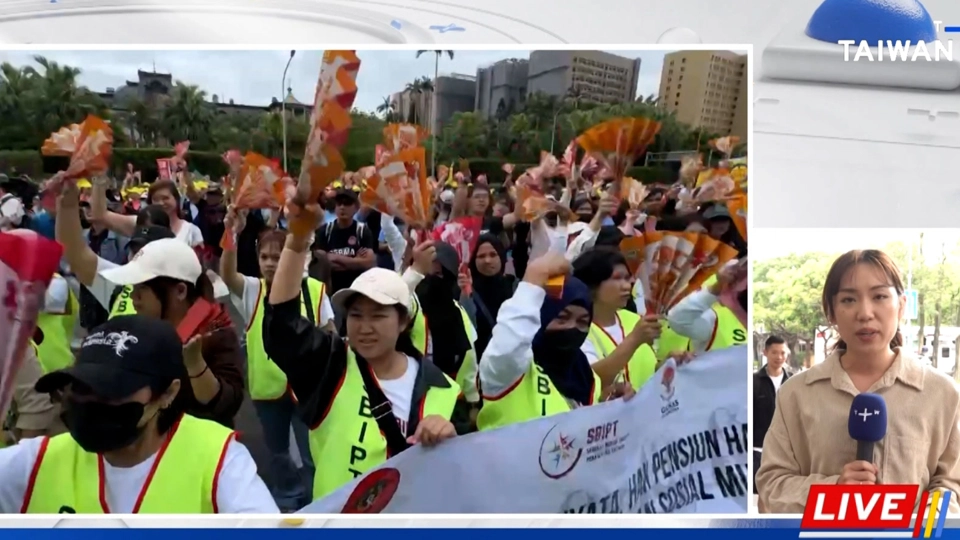
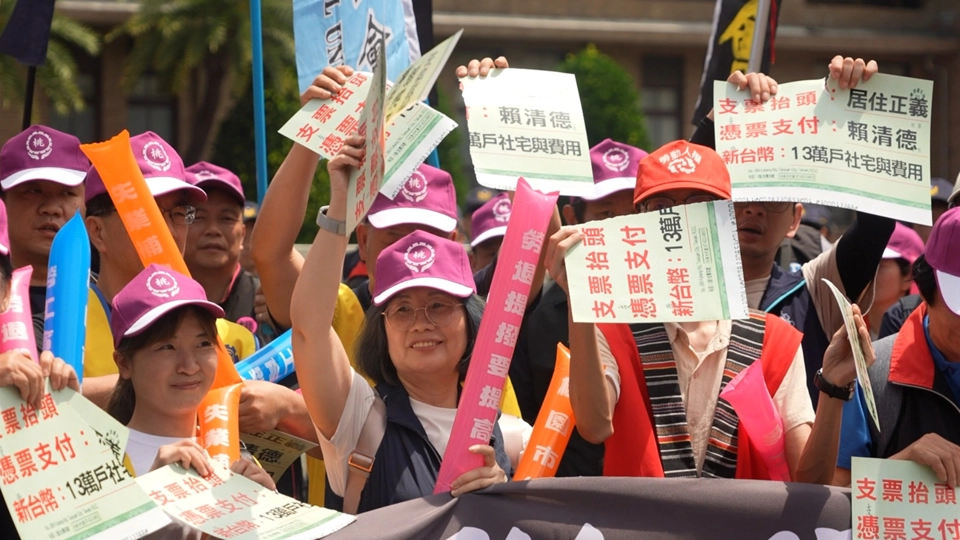
Civic groups have gathered in Taipei to argue against President Lai Ching-te’s idea to allow all families with children to hire foreign caregivers. They say it would barely relieve the pressure on working mothers, local licensed nannies would face unfair competition and that migrant workers’ working conditions need to be improved before the idea is turned into policy.
REPORTER:
Civic groups representing working mothers, nannies, and migrant workers are angry about a potential policy. President Lai Ching-te's says all families with children should be allowed to hire foreign caretakers. The goal is to relieve pressure on working mothers.
But these groups say Lai’s proposal won’t solve most people’s problems.
Over 90% of people disagree with the idea, according to their polls. They’re asking the government to respect those results. And they say friendlier workplaces and more childcare resources would better help working mothers.
Tan Yu-rung (AWAKENING FOUNDATION):
The real solution for women’s careers is to give employees and regular workers the power to control their own working hours. Right now, our government is relying on exploited migrant workers to prop up overworked Taiwanese laborers. We oppose the government’s strategy.
REPORTER:
And opponents point to other problems as well. Some raise concerns about the working conditions of migrant caretakers. They say many foreign workers lack labor protections and formal childcare training.
And there are worries about local licensed nannies having to compete against cheaper foreign nannies who work around the clock.
They say the policy would only benefit parents who can afford a live-in nanny. While others still struggle to balance full-time jobs and childrearing.
Ma Ming-yi (TAIWAN LABOUR FRONT):
[Families that hire] foreign domestic helpers besides paying their monthly salary also have to pay their employment security fee and provide a living space for them. For regular [working families] who rent apartments their living space and salary level face an enormous challenge.
REPORTER:
For mothers in Taipei, the problem seems to be the foreign caretakers’ lack of training and cultural and language barriers.
We’re still not used to the way foreigners take care of children so it’d take more time to understand and kids also need more time to adjust. Also, kids don’t immediately understand what they’re saying.
This policy is pretty good because I have a child at home myself so if there’s such a benefit for families it’s a huge help for mothers. But if it’s a choice between a foreign helper and a Taiwanese nanny I’d still prefer to go with the Taiwanese nanny.
Sure, it’d give us a new option but when it comes to bringing in foreign workers the government hasn’t done a good job of monitoring the process. Nannies in Taiwan need licenses to work. [The government] can’t just bring in foreign workers because they’re cheaper.
REPORTER:
The policy idea is being discussed by the health and labor ministries and will advance to the Cabinet next week. With many people’s livelihoods at stake, these rights groups seek to remind the government of their concerns before it makes a decision that could further squeeze Taiwan’s workers.