Taiwan’s Aging Society: Battling Senior Isolation and Suicide
It’s a lively day at this activity center for senior citizens in Taipei. This morning’s class is about edible art: with the seniors making pictures out of orange slices and nuts.
Every day brings something different—drawing, singing, physical activities.
Even classes teaching those who never went to school to read and write.
The Hondao Senior Citizens’ Welfare Foundation runs several centers like this across Taiwan. They’re open Monday to Friday to anyone 65 and up who doesn’t need too much extra care, for a monthly fee of around $30 US dollars. That includes a group lunch every day. The goal is to keep seniors active—and crucially, in good spirits at a time of life when emotions can get dark.
The 65+ cohort in Taiwan has had the highest death rate from suicide each year since at least 1994.
Studies show Taiwan’s far from the only place where suicide among seniors is a problem.
But for rapidly aging Taiwan, it is an exceptional problem. This year, the 65+ age group is set to make up a full fifth of the population.
Chan Shang-cheng (Taipei team leader, Hondao Foundation):
About one in five or six seniors is depressed. They may only be used to going to a doctor when [physically] sick and they tend to overlook mental health. I think it has to do with Taiwan’s culture. They don’t think it’s important to seek therapy.
Though, he does say, when they bring up the idea of getting help in the center’s classes, there’s a positive response. As he sees it, the decline that comes with aging, loneliness and a lack of purpose after retirement are three of the big risk factors for poor mental health.
And that’s where these centers come in. They provide stimulation, social time and something to look forward too. Most of the senior citizens come every day, sometimes for years now. They say they’re happy—and having a space like this one is a big reason why.
Senior Center Participant 1:
Before I was in the house alone with nothing to do. I didn’t know what to do all day. I feel much more enriched here.
Senior Center Participant 2:
Before I was lonely at home, just by myself. Here I have lots of friends. I’m happy.
The people who can come to centers like these are the lucky ones, though. Many in this age group can’t leave the house anymore. And the decline people experience once they’re housebound is noticeable.
Mr. Cheng (Volunteer, Hondao Foundation):
One older person used to be able to come but then couldn’t because they got sick. In those cases, we switch to home visits.But as we say in Taiwanese Taigi they were very depressed.
It’s much the same story in rural parts of Taiwan where these kinds of centers are hard to come by. With their limited reach and resources, private groups like the Hondao Foundation can only do so much. So how is the government handling this growing public health problem?
Health ministry officials were unable to speak with TaiwanPlus directly, but did give their eight-point mental health strategy for seniors.
The points include extra screening that got more than 4,000 people referred to help in the first half of this year.
There’s training for those who work with seniors to seek out signs of suicidal thoughts—and report them.
And crucially, there’s a sort of suicide watchlist. People over 65 who’ve reported a suicide attempt get classed as “high-risk” and for those with more than one attempt, home visits are more frequent and longer.
But some groups that work with senior citizens see gaps—and ways the government can improve.
Hondao Foundation Representative:
[If the government] could work with us we could make more frequent home visits. Because we visit seniors who are disadvantaged, poor living alone or even living as scavengers. They receive very little attention. Our monthly visits are sometimes the only time people go see them that whole month.
Back at the Hondao Foundation’s activity center, some of the seniors say mental health is critical as people get older.
Senior Center Participant 2:
When you get old, you have to be happy. If you aren’t happy you feel depressed and physically unwell. You just feel naturally unwell. When you’re happy, everything is good.
How to best spread that happiness among seniors, though, is a matter that attracts many viewpoints—and with Taiwan’s society rapidly aging, the issue is only going to get more pressing.
 00:32
00:32 00:30
00:30 00:30
00:30 00:25
00:25 00:35
00:35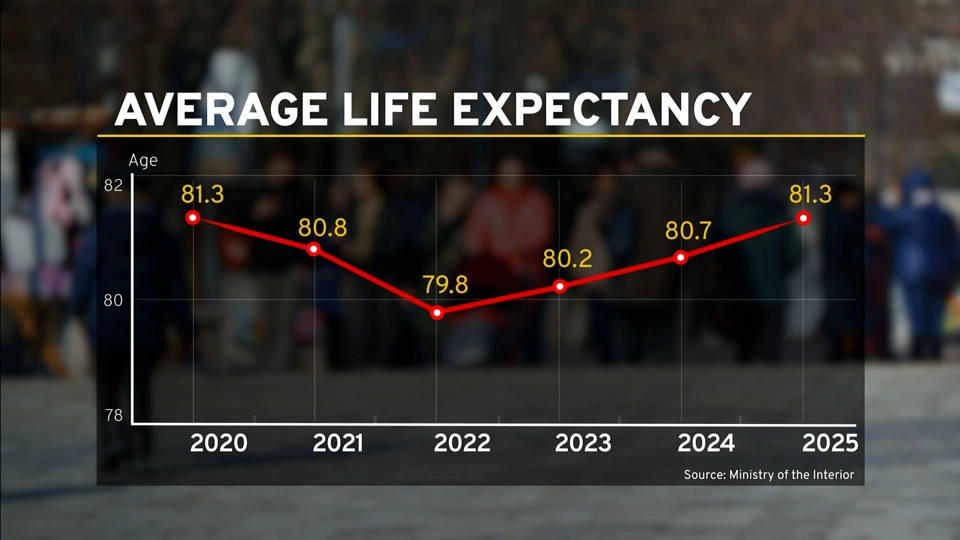 00:34
00:34 01:05
01:05 00:37
00:37 02:09
02:09 05:41
05:41 01:01
01:01 00:42
00:42 02:37
02:37 00:42
00:42 00:29
00:29 02:31
02:31