TSMC’s Arizona Chip Plant: Challenges and Progress
REPORTER:
Taiwanese chip-giant TSMC’s Arizona plant is getting on its feet, turning a profit of US$150 million in the first half of the year.
But the project of making advanced chips in the US has hit big speedbumps—and as both Taiwanese supply chain partners and TSMC’s American staff are finding out, it’s no simple task to move an operation that works well in Taiwan to the other side of the world.
REPORTER:
Cultural differences, especially around issues like working hours have flared up. And staffing the fab has been a persistent problem, too.
Some local workers who quit the fab filed a lawsuit alleging discrimination in favor of their East Asian colleagues—a claim that TSMC says is not true.
But however you look at it, those in the chip industry say getting the Arizona fab properly staffed hasn't been easy.
Huang Chun-kai (CEO, KAINOVA):
Getting talent is indeed a problem. Companies need special qualifications to hire local workers. And if you don’t have local workers you'll have to dispatch workers from Taiwan and those numbers will be limited.
REPORTER:
Getting work visas for Taiwanese staff is proving to be a massive hurdle.
Each now costs US$100,000. And long wait times and a lottery system make things even more complicated. And once they’re in the US, they have to pay both US and Taiwan taxes on their income. Something experts hope to see change.
Paul Poliakov (PWC TAIWAN):
If this Taiwan-US double tax relief bill can actually pass, then it would be beneficial for a whole variety of industries, whether it is manufacturing, whether it is R&D, wholesale, distribution services, those are going to benefit.
REPORTER:
While American staff may face culture shock in the workplace, Taiwanese staff and their families have their own troubles adjusting to daily life in an unfamiliar place. Children of staff have it especially tough.
Chung Pei-jung (PHOENIX-AREA TEACHER):
There are many TSMC families in this school district. Some choose classes in Chinese, others don’t. Observing these past few years I think it depends on their children’s personalities. Some children may be more introverted. And even if they went to bilingual schools in Taiwan they're very limited in how well they adapt in the US.
REPORTER:
For many, the relocation will be temporary: The proportion of Taiwanese staff is expected to go down as operations in Arizona mature.
But for now, there’s more to be done. A delayed second factory could be finished in the next two to three years.
REPORTER:
And, just Thursday, TSMC Chair and CEO C.C. Wei said the company has a new, large piece of land for expansion.
On top of the US$65 billion TSMC has invested in Arizona, it’s also promising US$100 billion more for more fabs, two assembly plants and an R&D center.
REPORTER:
Despite delays and cultural friction, the company isn’t backing out of what it, and the US government see as an important expansion into the American southwest.
 02:05
02:05 01:12
01:12 05:35
05:35 04:10
04:10 02:44
02:44 02:21
02:21 02:06
02:06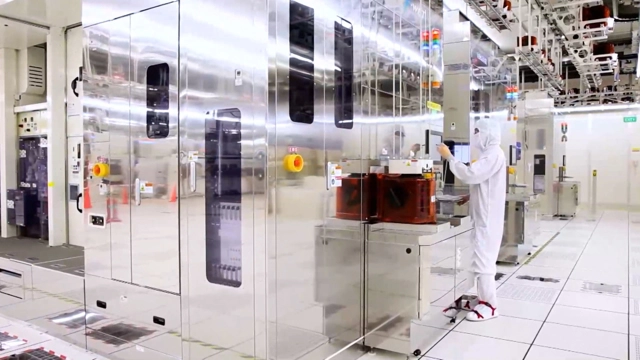 00:24
00:24 04:03
04:03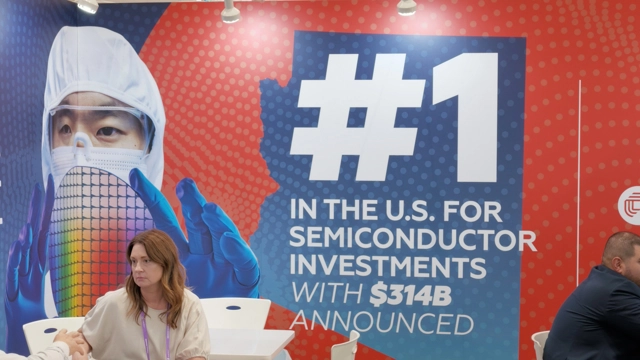 02:47
02:47 04:22
04:22 01:47
01:47 01:24
01:24 02:25
02:25 00:29
00:29 03:23
03:23