**Taiwan’s Textile Revolution: Innovation, Sustainability and Digital Transformation**
REPORTER:
A robotic arm, giving a helping hand. This new technology is making it more efficient for Taiwan’s textile manufacturers to make clothes and shoes worn every day around the world.
To make a pair of shoes you have to follow where the labor is cheapest. That’s a tough fact. If it’s no longer labor-intensive, if nobody is needed to make shoes, then only robots would be making them. The supply chain is very short, so it’s really a short-chain revolution.
Taiwan’s textile industry is a key global player: Taiwanese businesses supply about 70% of all functional textiles sold and used around the world, and the $200 billion US dollar industry is making big changes.
This new technology on display at the Innovative Textile Application Show in Taipei demonstrates how shoes can be made through a spraying process instead of weaving, boosting production speed by more than 80%.
Ai Chi (TAIWANPLUS REPORTER):
This pair of shoes is made from a type of environmentally friendly plastic.
A comfortable material for everyday use. And now, thanks to the latest technology, they can be made in just 12 minutes.
These shoes made using robots are being adopted by leading Japanese sports brand Mizuno to streamline the supply chain and make lighter, more practical shoes.
Other innovations helping keep the sector competitive include using fabrics made from captured carbon emissions.
We came up with carbon capture and utilization to actively capture carbon emissions like carbon monoxide and carbon dioxide and turn them into raw materials for our textiles.
The technology enables this Adidas supplier — which also made Real Madrid’s World Cup jerseys — to cut carbon emissions from high-output factories. It's already drawn business from more than ten global brands.
But while going green matters, managing costs is just as important – this Nike supplier says it’s using new AI and 5G networks to improve efficiency.
We’re bringing in AI because we now produce many differentiated products in small, varied batches which is a big challenge for production and R&D. We hope digital tools can help us work more efficiently.
The company says these new tools can make better use of a shrinking workforce in Taiwan, helping save energy and cut costs.
Through the energy-saving [AI-RAN] technology, 5G machines and equipment can determine when to work at full capacity and when to rest.
Even with growing competition and trade challenges, Taiwan’s textile makers are betting on innovation and sustainability to stay ahead in the global fabrics market.
 02:33
02:33 00:32
00:32 00:40
00:40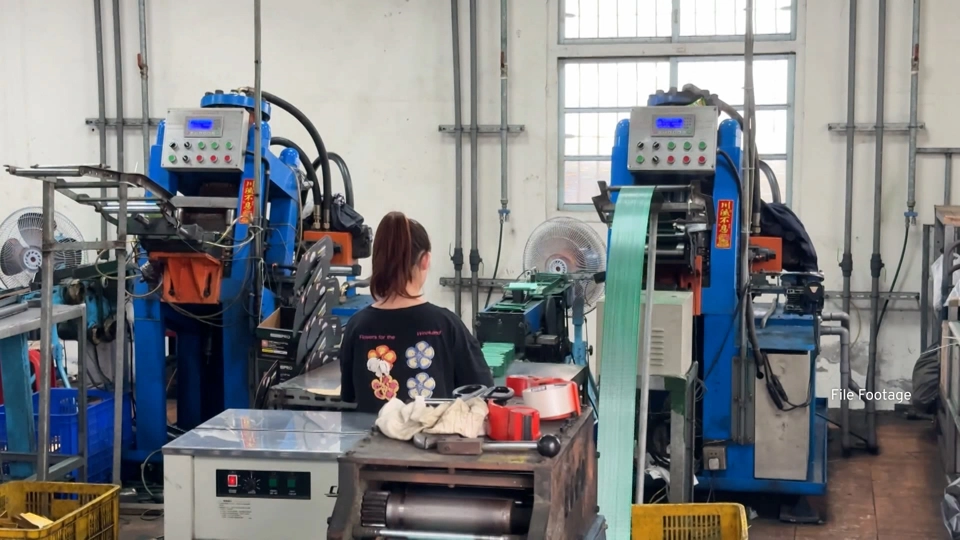 02:03
02:03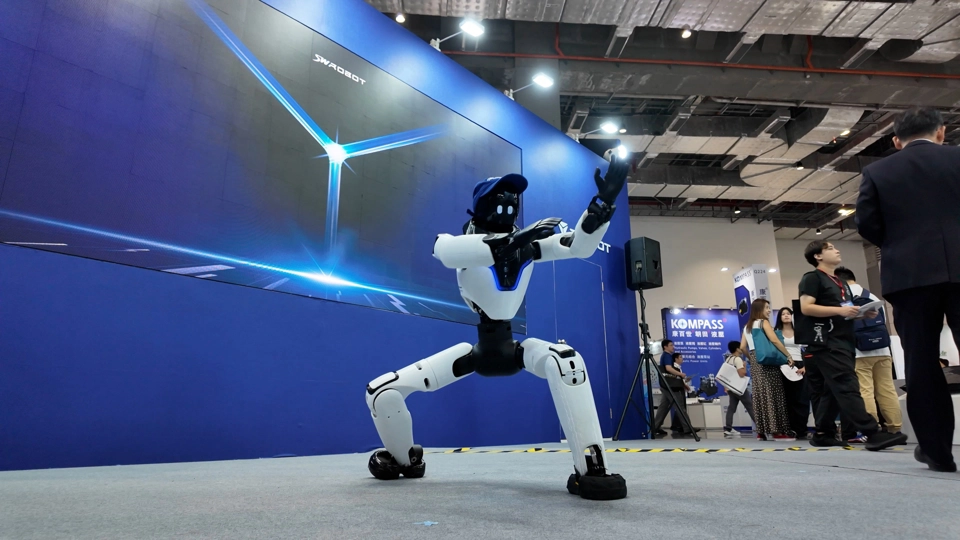 02:16
02:16 02:16
02:16 01:12
01:12 00:35
00:35 04:46
04:46 01:56
01:56 02:21
02:21 00:42
00:42 02:09
02:09 00:30
00:30 00:37
00:37 00:40
00:40