* This AI-generated summary is based on reporting by TaiwanPlus and verified by newsroom fact checkers. Learn more about our policy here.
Stray Dogs and Cats in Taiwan: A Growing Environmental and Wildlife Dilemma
In Taiwan, cats and dogs are everywhere—from cozy homes to bustling city streets. But while they are beloved as pets, these animals are also officially classified as invasive species. In 2022, dogs and cats were added to Taiwan's invasive species list, joining animals like the green iguana and African sacred ibis. The classification reflects the growing awareness of their impact on the country's delicate ecosystems and native wildlife, which often suffer due to the presence of stray cats and dogs.
Animal activist Wu Yi-ta explains the classification, emphasizing that while dogs and cats have lived alongside humans for thousands of years, they have long since ceased to undergo natural evolution. This domestication has created animals that depend on humans yet roam free in urban and rural areas, affecting local species in harmful ways. In Taiwan’s wildlife-rich eastern region, a sharp rise in injuries to native animals caused by stray cats and dogs has been observed. WildOne Wildlife Conservation Association reports an increase in cases, from just five in 2020 to 84 in 2023. Mammals such as the Formosan muntjac and the pangolin are especially vulnerable, suffering serious injuries from attacks by these strays.
Despite the invasive designation, many citizens are unaware of the impact stray cats and dogs have on Taiwan’s wildlife. This lack of knowledge prompted animal rights groups to organize the recent "Walk for Wildlife" march in Taipei, urging the government to include education on invasive species in school curricula. But even if public awareness increases, Taiwan faces a complex question: how to control the stray animal population while respecting Taiwan's no-kill policy for shelters.
Wu Yi-ta insists that there are solutions beyond lethal methods. One option is removing stray cats and dogs from wildlife areas, yet activists also believe that a broader discussion is necessary to find the best path forward. Currently, Taiwan employs the TNR (Trap-Neuter-Release) approach, where stray animals are captured, neutered, and then returned to their environment. Although TNR aims to control stray populations humanely, it is a long process, taking over a decade to see any significant population reduction. Wu highlights another issue with TNR: Taiwan’s endangered species may not survive the extended timeline required for the stray population to decrease.
The latest government figures underscore the urgency of the issue. The stray dog population has grown from 155,869 in 2020 to nearly 160,000 by 2022, with stray cats remaining an untracked but equally concerning presence. While TNR efforts are ongoing, animal activists argue they are not enough to protect Taiwan’s wildlife in the long term.
As Taiwan grapples with this issue, activists and officials alike are seeking more effective and humane strategies to manage the stray animal population. The goal is to strike a balance—ensuring both animal welfare and the preservation of Taiwan’s unique biodiversity. The hope is that, through a combination of public awareness, educational initiatives, and innovative solutions, Taiwan can find a way to protect its native species while respecting the rights of its beloved pets.
 01:33
01:33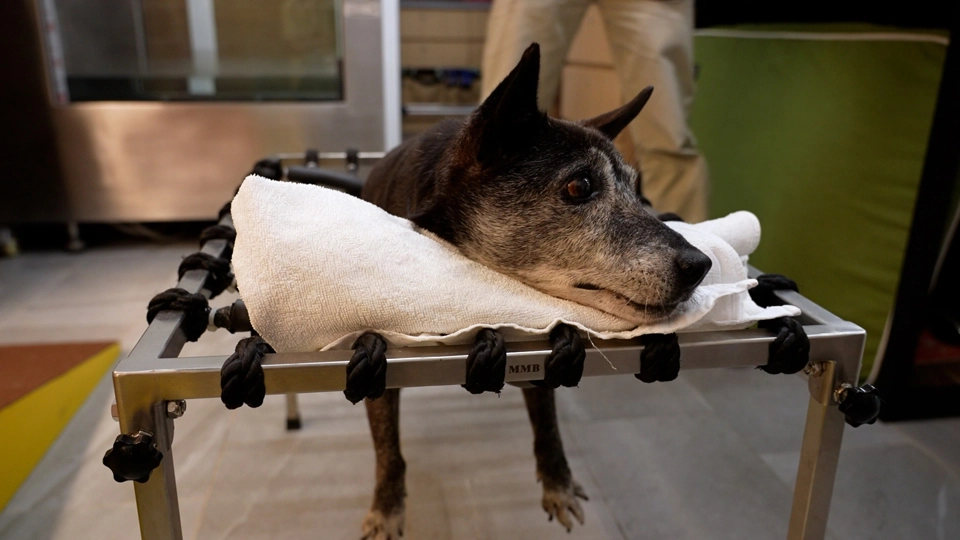 03:51
03:51 03:29
03:29 01:36
01:36 02:02
02:02 00:32
00:32 01:38
01:38 00:26
00:26 00:52
00:52 01:58
01:58 02:01
02:01 03:09
03:09 02:56
02:56 00:30
00:30 00:29
00:29 00:42
00:42