Monkey Encounters Rise in Taiwan as Human-Wildlife Boundaries Blur
A security camera captures the moment a troop of monkeys nearly attacks a middle school student.
Here at Yuan Ming Junior High School in central Taiwan, such encounters with monkeys — Formosan rock macaques — are a part of daily life. And as the school’s principal says, they are becoming more common as their numbers boom and the boundary blurs between human settlement and monkey habitat.
Ting Ching-feng (PRINCIPAL):
They leap from over there.
Our teachers have seen more than 60.
Over 20 jumped into the school.
There’s more of them every year
the numbers aren’t going down.
Government monitoring shows he’s not wrong. A nationwide network of automatic infrared cameras has spied a steady increase in “sightings” between 2019 and 2024.
And while the macaques may just be a nuisance for schools, they are an economic nightmare for farmers. The owner of this orchard, also in central Taiwan, reckons that monkeys have cost him close to US$2,000 in losses from the most recent crop.
This is where most of the monkeys are.
There are [different types of orange] growing.
I’ve lost around 50-60% of my crop.
The trouble is that Taiwan is home for these monkeys, too. In fact, the Formosan rock macaque is found naturally only in Taiwan. As run-ins with humans increase, what can be done? There are a range of ideas.
Paintball guns, firecrackers, dogs and electric fences are among the tools used by some people living near monkey habitats. But there are many more ideas — some that conflict sharply. Some officials have pitched a catch-and-release sterilization program to keep numbers down — though the social nature of the monkeys means they can’t be simply neutered or spayed as with dogs and cats.
Yang Shu-fang (NEW TAIPEI ANIMAL PROTECTION AND HEALTH INSPECTION OFFICE):
and after we trap them we can use humane means
like vasectomies or tube-tying [to control numbers].
If we remove their reproductive organs
it might affect their appearance or hormones
and they won’t be accepted back into their troop.
Formosan rock macaques were reclassified from a protected species to “ordinary wildlife” in 2019, leading others to suggest they could be hunted on a limited basis. This is already starting to happen — though there are rules.
Chen I-chuan (FORESTRY AND NATURE CONSERVATION AGENCY):
We’ve already picked out some pilot areas
and will set up a standard operating procedure.
Once experts and scholars meet and make a final call
we’ll go ahead with implementation.
But conservationists say the monkeys belong here just as much as people: besides humans, they are Taiwan’s only native primate. Though specifics may need to be ironed out, conservationists say Taiwan needs to learn to live with what is just a part of nature.
Lin Mei-yin (TAIWAN MACAQUE COEXISTENCE PROMOTION ASSOC.):
We shouldn’t keep regarding them as harmful
controlling them and keeping them out.
Instead, we should include them in our lives
and achieve a mutually beneficial symbiosis.
As contact and conflict with humans grow, Taiwan faces tough choices when it comes to how to treat its thriving monkey population.
 08:10
08:10 03:50
03:50 00:32
00:32 00:30
00:30 00:52
00:52 04:02
04:02 03:44
03:44 03:34
03:34 00:33
00:33 00:31
00:31 00:35
00:35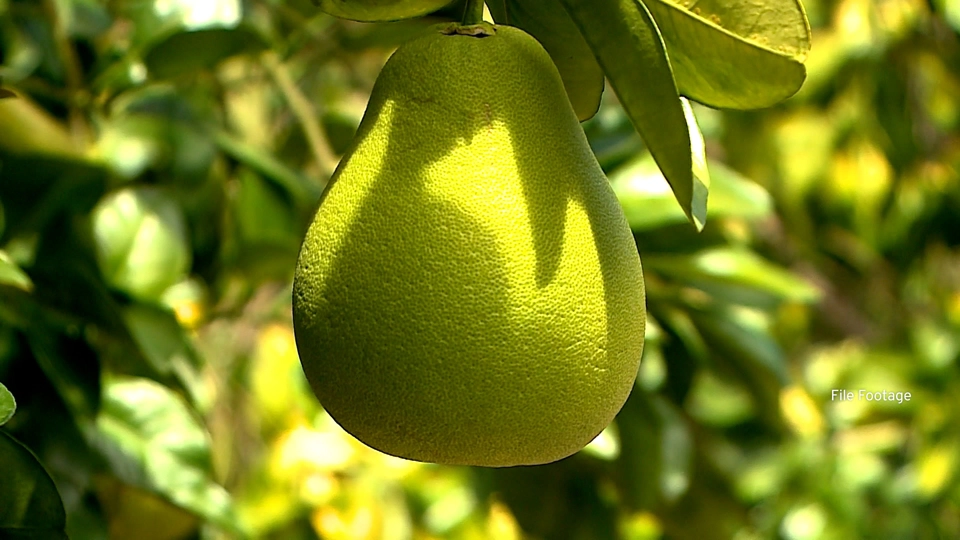 00:42
00:42 00:30
00:30 03:04
03:04 04:27
04:27 01:33
01:33