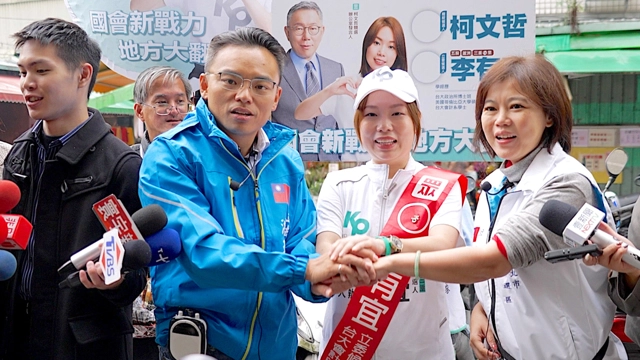
Taiwan's Opposition Team Up at Local Level After Presidential Ticket Failure
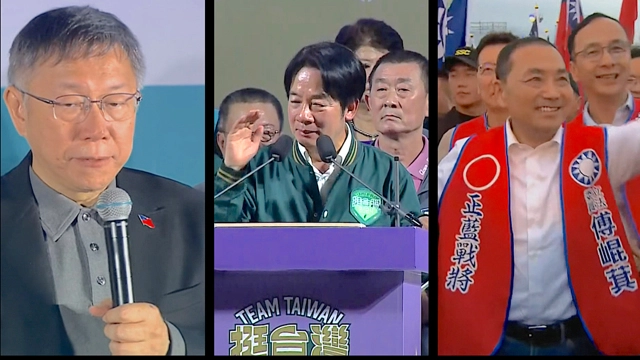
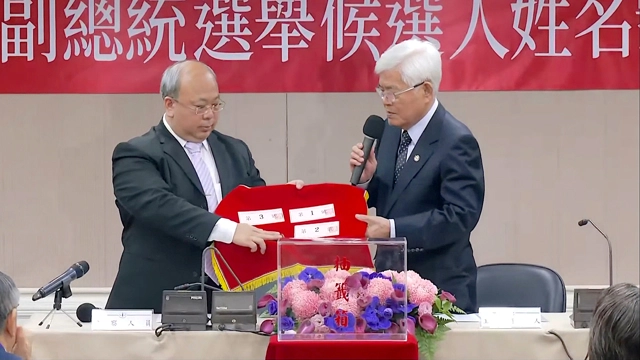
Taiwan’s two largest opposition parties were in talks to run on a joint ticket for the presidency. That fell through, but they are now working together at the local level.

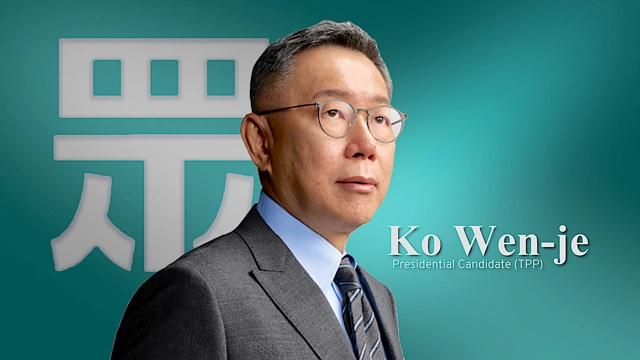
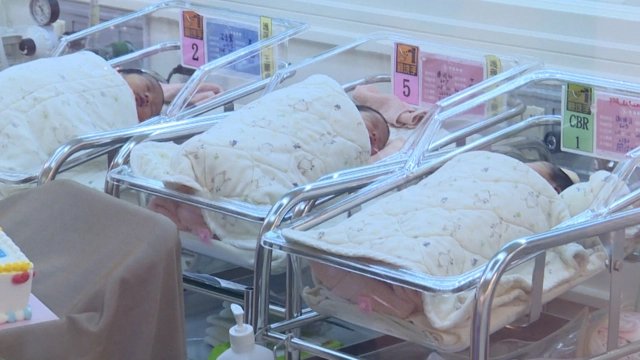
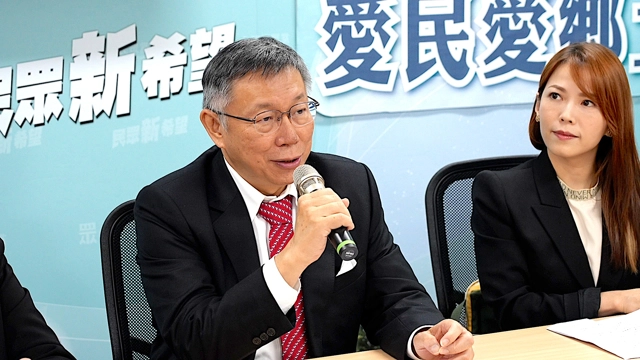
Ko Wen-je says the main cause of Taiwan’s low birth rate is a long-term cultural shift surrounding marriage.[1] He points to the fact fewer young people are getting married, and comparatively few Taiwanese children are born out of wedlock.[2] Nonetheless, Ko has proposed several policies to tackle issue in the short term, including offering women NT$50,000 (US$1,600) when they reach three months pregnant, as well as NT$100,000 (US$3,100) once they give birth.[3] He would also aim to extend maternity leave from 8 weeks to the “international standard” of 14 weeks.[4] Ko says he would also offer subsidies for families with children until they are 12 years old, up from 6 years old currently.[5] Ho also wants to set up a dedicated government department to tackle the low birth rate, set up more childcare centers, and legalize surrogacy.[6] In the long term, Ko says the solution to Taiwan’s low birth rate is to start a new cultural movement to encourage young people to marry.[7]
References:
[1] 揭少子化真正原因是「文化因素」 柯文哲拋「3解方」笑不要幻想65歲退休【CNEWS】/ 坦白講台灣少子化最大的理由我認為是文化因素 … 台灣目前少子化真正的理由不是不生是不結婚(0:32-0:52)
[2] 揭少子化真正原因是「文化因素」 柯文哲拋「3解方」笑不要幻想65歲退休【CNEWS】/ 因為台灣非婚生子女只佔2.5%而已 ... 我們台灣大部分是有結婚才有生 (0:53-1:01)
[3] At a news conference, Ko pledged to enact policies to provide new mothers with a one-time payment of NT$100,000 (US$3,105), as well as NT$50,000 when they are three months pregnant.
[4] He would also launch a legal drive to amend the "outdated" maternity leave regulations and extend the leave from 8 to 14 weeks, consistent with international norms, Ko said.
[5] Ko said he would also expand monthly child-rearing subsidies, currently given to parents of children under 6, to cover children between the ages of 6 and 12.
[6] 揭少子化真正原因是「文化因素」 柯文哲拋「3解方」笑不要幻想65歲退休【CNEWS】(2:30-2:35)
Ko Wen-je says he will adopt a policy of “Five Mutuals” when dealing with China.[1] Namely, he says Taiwan and China should know, understand, respect, cooperate and be forgiving toward one another to encourage communication.[2] As mayor of Taiwan’s capital, Taipei, Ko held yearly talks at the Twin Cities Forum with officials from the Chinese city of Shanghai.[3]
References:
[1] 台灣民眾黨主席柯文哲今在黨慶中談到未來的兩岸關係,表示會以5個互相來促進與對岸的交流,增加善意,讓兩岸的惡意螺旋降低,減少兩岸發生戰爭的風險。
[2] 會以5個互相:互相認識、了解、尊重、合作、諒解來促進交流,增加善意,讓兩岸的惡意螺旋降低,減少兩岸發生戰爭的風險。
[3]Mayor Gives Speech at 2015 Taipei-Shanghai Forum / Mayor Ko Wen-je delivered an address at the Taipei-Shanghai Forum in Shanghai on August 18.
Ko wants to raise Taiwan’s military spending from around 2.5% of GDP to 3%, with an equal focus on maintenance and training as well as big-ticket weapons purchases.[1] He says Taiwan’s military should embrace automation and new technology to modernize the armed forces and make Taiwan more self-reliant when it comes to defense.[2]
References:
我主張國防預算要達到GDP的3%,國防預算要合理化,軍事預算三大部份「人員維持」、「作業維持」及「軍事投資」必須均衡分配。
[2]另外,未來武器裝備的自動化、智慧化是不可逆的趨勢,人力密集的戰略觀建軍也要檢討。 #科技練兵,建立現代化的軍隊,達到國防自主的目標。
公開透明、科技建軍、資源適當配比、拒絕黑箱,才能真正讓中華民國國軍現代化、高效率,恢復國軍尊嚴,讓我們一起期待建立高素質、榮譽感的國軍部隊!軍人節快樂!
Ko supports keeping nuclear power as part of Taiwan’s energy mix. He would aim for the country to generate 60% of its power from fossils fuels by 2030, with natural gas making up 45% and coal 15%.[1] Another 30% would come from renewable sources and the final 10% from nuclear energy. Of Taiwan’s four nuclear power plants, he wants to keep the third plant running and restart the second. Ko also says he has changed his mind about Taiwan’s fourth nuclear power plant and now supports testing to see if it can be safely finished.[2] Unlike the other opposition candidates, Ko says Taiwan’s first nuclear power plant should stay closed for safety reasons.[3] Overall, Ko wants nuclear and renewable sources to make up 40% of Taiwan's energy mix by 2030.[4]
Ko has put a special emphasis on upgrading Taiwan’s energy grid and making supply and storage more efficient.[5] He also wants to increase the number of electric cars and car charging stations five times in the next 10 years.[6]
References:
[2] 民眾黨總統參選人柯文哲今天晚間在臉書發文指出,新時代能源政策不應固守舊思維,他主張核二核三延役,盡速體檢核四。
Ko Wen-je has outlined an eight-point plan to reform Taiwan’s health care system. He wants to raise government health spending from about 6% of GDP to 8%; encourage healthier lifestyles by promoting exercise and regular check-ups; broaden the offering of publicly funded vaccinations; reform the way medical personnel are paid, with a focus on raising salaries for nurses; open up the market for self-paid services and relax rules on single-person wards to free up hospital beds; offer partly-funded bedside care in hospitals to ease the burden on patients’ family members; make it easier for lower-income older people and people with dementia to apply for migrant houseworkers and caregivers; and exempt people aged 65 and over from paying national health insurance premiums.[1]
To deal with the care needs of Taiwan’s rapidly aging population, Ko wants to nearly quadruple government spending on social care from 0.26% of GDP to 1% or NT$230 billion (US$7.1 billion).[2] He plans to fund that rise partly through a new long-term care premium paid by the public, equivalent to an extra 20% to 25% on top of the current health insurance premium.[3] Under Ko’s plan, government subsidies for people in care homes would triple from NT$10,000 (US$310) to NT$30,000 (US$930) a month.[4] In addition, Ko says families who privately employ migrant caregivers should still be allowed access to government care services.[5] He has also proposed compensating family members who offer long-term care to their relatives.[6]
References:
[1] 一、醫療保健支出逐年達到GDP的8%,醫院應靠醫療本業就能收支平衡;二、提倡健康生活型態,推廣運動、戒菸、減重、增加癌症篩檢、健檢的普及率;三、增加 #公費疫苗 種類,如輪狀病毒、腸病毒、加強型水痘疫苗等;四、落實家醫、分級、轉診、論人計酬。最重要的,是要提高護理人員薪資、改善血汗醫療。
五、放寬自費醫療市場,解除單人病房的管制,讓更多需要的人有病房,但仍會保障健保房;新藥與新醫材盡速通過、讓人民享用最新醫療科技。
醫院要提供「 #全責醫護 」,台灣少子化、單身人口多,萬一家人生病住院,很多人臨時找不到看護,只能請假,就算找到了,看護費用也非常高昂。因此,我主張建立「全責醫護」制度,由醫院提供,健保與個人各自負擔部分費用,解決人民長期以來的困擾。
未來,#巴氏量表不再做為申請照護移工的唯一標準,如果家庭有老弱需要幫傭移工,可以放寬申請標準,失能者申請照護移工,也可以採多元評估,更簡化便民。
我在擔任台北市長時,實行 #65歲以上長者健保費 全額補助,這個應該推廣到全國,投資人民的健康、減輕三明治世代的負擔。
[2] 柯文哲針對長照預算提出具體主張,以達到GDP的1%也就是2300億做為目標,把餅做大、服務增加
[3] 我主張開辦 #長照保險,由政府、雇主、人民共同負擔,每個人每個月只要繳健保費1/4 - 1/5的錢,
[4] 需要住到住宿型長照機構,補助額從每人每月最多一萬調升到三萬,確實減低家庭負擔。
[5] 就算聘用外籍看護者,也仍能享有長照服務。
[6] 此外,我們必須尊重且正視 #家庭照顧者的貢獻,政府應提供一定金額給家庭照顧者,減少相對剝奪感與家庭衝突,這才是全方面的照顧長照家庭。
Ko Wen-je has proposed holding periodic financial security and contingency exercises to enhance the banking sector’s resilience. He’s also said the country’s tax system needs to be revamped for sustainable fiscal health. Ko’s called for making monetary authorities like the central bank more independent, transparent and accountable. He wants to establish a financial stability committee to guard against systemic risks and a consumer protection bureau to better protect consumers. Ko also wants to set up a sovereign wealth fund to better utilize national assets. He also proposes implementing smart financing in Taiwan.
Ko Wen-je has proposed three policies: increasing the construction of social housing, reforming tax rates for non-owner-occupied housing units to encourage landlords to rent out vacant properties and offering greater housing and rental subsidies.