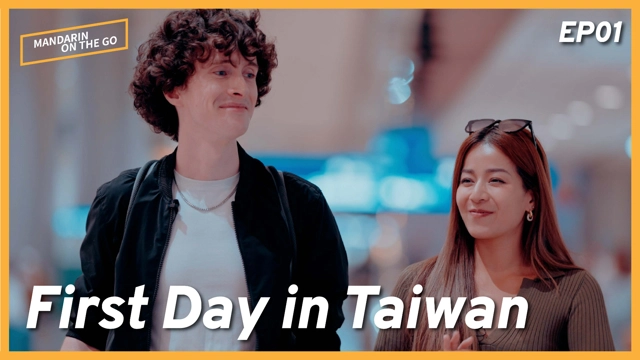
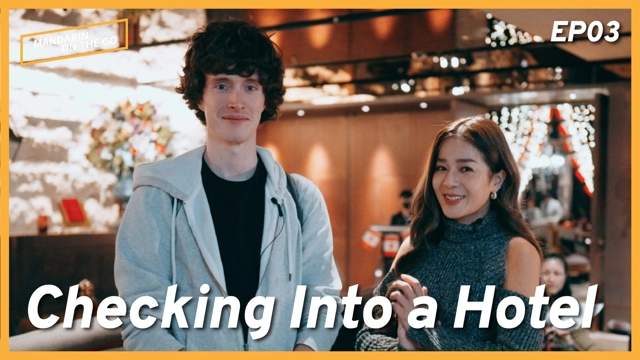
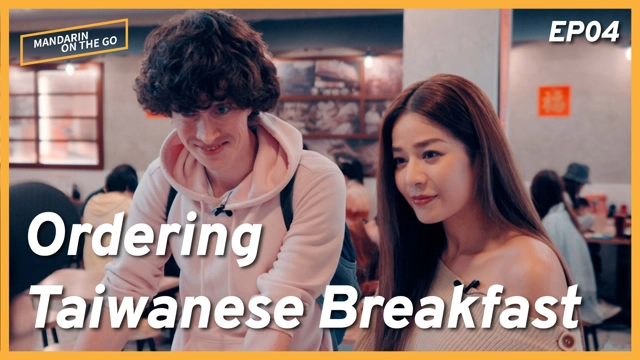
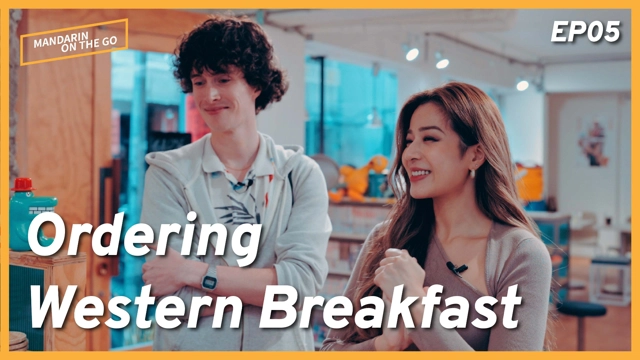
Mandarin on the Go teaches Taiwanese Mandarin in easy-to-digest segments that are both practical and reflect how Taiwanese people use the Mandarin language in daily life. We incorporate real-life scenarios and elements of local culture to provide a fun learning environment while encouraging authent
Want to learn how to address family members in Mandarin? **Vocabulary list below!** In Mandarin, each member of the family has their own unique appellation. In this episode, Mandarin student Bertie meets the family of his Taiwanese Mandarin teacher Peggy. Join Bertie as he learns how to greet and address Peggy’s mother, father and grandparents. Bertie also learns how to answer some commonly asked questions in Mandarin, such as his age and what he does for work. By the end of the episode, you will attain basic vocabulary you can use during your next family gathering in Taiwan.
Mandarin on the Go teaches Taiwanese Mandarin (aka Mandarin Chinese) in easy-to-digest segments that are both practical and reflect how Taiwanese people use the Mandarin language in daily life. We incorporate real-life scenarios and elements of local culture to provide a fun learning environment while encouraging authentic connection.
Subscribe and tap the bell icon for new Mandarin on the Go videos every Monday and Friday! If you enjoy the series, leave us a comment to let us know!
To practice what you've learned, rewind to certain vocabulary words using the chapter labels provided. A complete vocabulary list is also provided in the description box for each video in this series. Thanks for watching!
**Vocabulary & Phrases**
這位是我阿公
zhè wèi shì wǒ ā gōng
This is my grandfather.
阿公好
ā gōng hǎo
Hi, grandpa.
那位是我阿嬷
nà wèi shì wǒ ā mà
That is my grandmother.
阿嬷好
ā mà hǎo
Hi, grandma.
媽媽
mā ma
Mother
阿姨好
ā yí hǎo
Hi, ma'am.
爸爸
bà ba
Father
叔叔好
shú shú hǎo
Hi, sir.
你幾歲
nǐ jǐ suì
How old are you?
我 25 歲
wǒ èrshíwǔ suì
I'm 25 years old.
你是做什麼的
nǐ shì zuò shén me de
What do you do for a living?
我剛畢業
wǒ gāng bì yè
I just graduated.
開動
kāi dòng
Let's dig in!