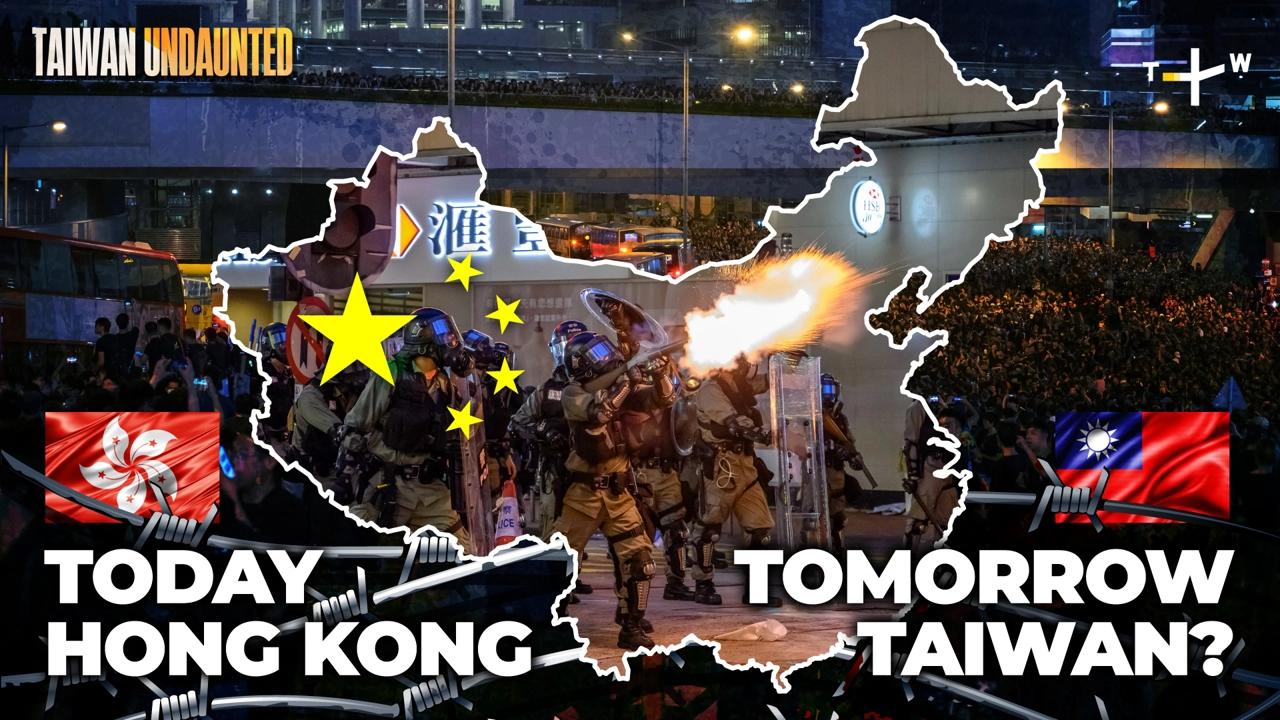
Taiwan Undaunted
This four-part, 105-minute series explores the multifaceted aspects of Taiwanese identity and the nation's ongoing struggle for recognition from multiple perspectives.
This four-part, 105-minute series explores the multifaceted aspects of Taiwanese identity and the nation's ongoing struggle for recognition from multiple perspectives.
 27:46
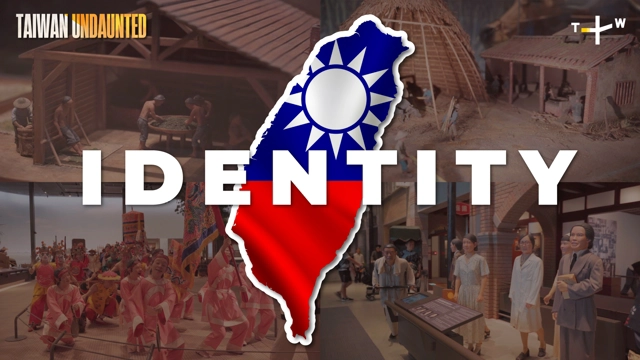
27:46Taiwan is run like a nation but is not widely recognized as a sovereign state because of its disputed status in the international community. Now a thriving democracy, this multieth
 28:03
28:03The Economic Miracle of the 1950s-1990s transformed Taiwan into a world economy ranked 22nd in the world, with comparatively low-income disparities, universal public healthcare, ex
 27:26
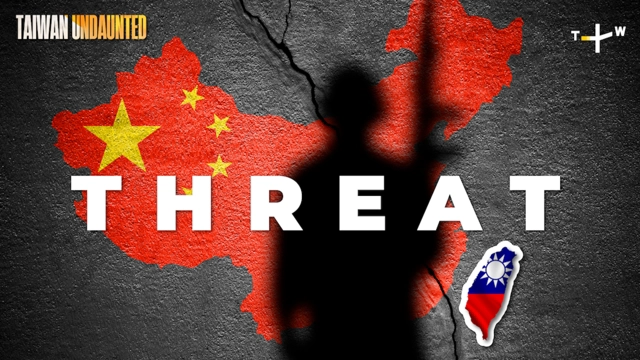
27:26In 2014, the Sunflower Movement demonstrated the courage of the Taiwanese people. A new generation that came of age in Taiwan’s era of democratization occupied the Legislature on M
 24:19
24:19The biggest consensus among Taiwanese people is to protect their free and democratic way of life. Taiwanese people have seen how Ukraine has resisted in the face of Russian aggress