US, Israel, and Iran War Escalates Across the Middle East
REPORTER:
The skeleton of the Gandhi Hospital in Tehran has withstood a US or Israeli strike, but that’s about it. The medical center is in ruins— “collateral damage” in a war supposedly aimed at taking out Iran’s nuclear and missile programs.
Nearby residents, who’ve lost windows and more, are still in shock.
I was sitting watching the news when suddenly the chandelier in the house fell in front of me and then thick smoke filled the entire place, and then doors, windows and a lot of my stuff broke.
Iranian missiles scream over Haifa, Israel early Tuesday as Tehran hits back. What’s left of Iran’s leadership wants revenge. Deadly barrages like these are driving life in parts of Israel underground.
It’s the Jewish Festival of Purim, and in this parking garage in Tel Aviv, a makeshift party is underway. The Iranian missiles overhead lend a sense of irony not lost on people here as they gather to hear the story behind the holiday.
It's the story of Haman who was an evil person who tried to kill all of the Jews of Persia many years ago. So that's how we start the Jewish holiday of Purim. And it's really extra special this year. First of all, we're in a bomb shelter, so we really feel something special. But it's also we're in the middle of the war with Iran and it's talking about someone who wanted to kill all of the Jewish people at the time.
But if this started out as a war between a US-Israeli alliance and Iran, it’s now spread far beyond that.
Iran is striking Arab neighbors that host US military sites and diplomatic missions—recent targets appear to include the US Embassy in Saudi Arabia. But it’s hitting civilian targets in the process too. Here, Qatar intercepts yet another Iranian rocket over its capital, Doha. Iran’s foreign minister says these strikes are justified.
Iran’s Foreign Minister:
We don't seek to regionalize the war. It will become regional simply because U.S. bases and facilities are spread across our region. When the United States attacks us—whether by fighter jets or the ships it deploys—they have access to our territory to strike with all kinds of missiles and aircraft. We cannot reach their territory, but we can reach their bases.
And Iran is using oil—one of the region’s key exports, to ratchet up the pressure. It’s declared this narrow waterway just to its south, the Strait of Hormuz, closed. And it’s vowed to fire on any ship trying to pass through.
A fifth of the world’s oil passes through this strait. And with traffic halted, this regional war has become a global economic headache as oil prices spike.
Iran’s not the only one spreading the war. Israel is hitting neighboring Lebanon, where Iranian proxy group Hezbollah still has a stronghold. The death toll across the region is rising and more countries are being swept in.
In the US, questions are mounting over where this is all going. Trump administration officials say they’re not interested in regime change. They say this won’t be another Iraq. but warn the war’s not over yet.
Trump Administration Official:
The next phase will be even more punishing on Iran than it is right now. Someone was screaming, ‘how long will that take?’ I don't know how long it will take. We have objectives. We will do this as long as it takes to achieve those objectives.
But Democrats are skeptical.
Democratic Member of Congress:
Donald Trump has just launched America into a full-scale conflict against one of our most fervent adversaries without a plan, without an end game, and without authorization for Congress or even a debate in full view of the American people.
REPORTER:
As the airspace over the Middle East clears out and those with the passports to do so evacuate, the people left behind face drones and missiles, with no one able to say when peace might return.
 02:15
02:15 03:07
03:07 03:23
03:23 03:25
03:25 03:23
03:23 02:42
02:42 02:54
02:54 02:56
02:56 03:24
03:24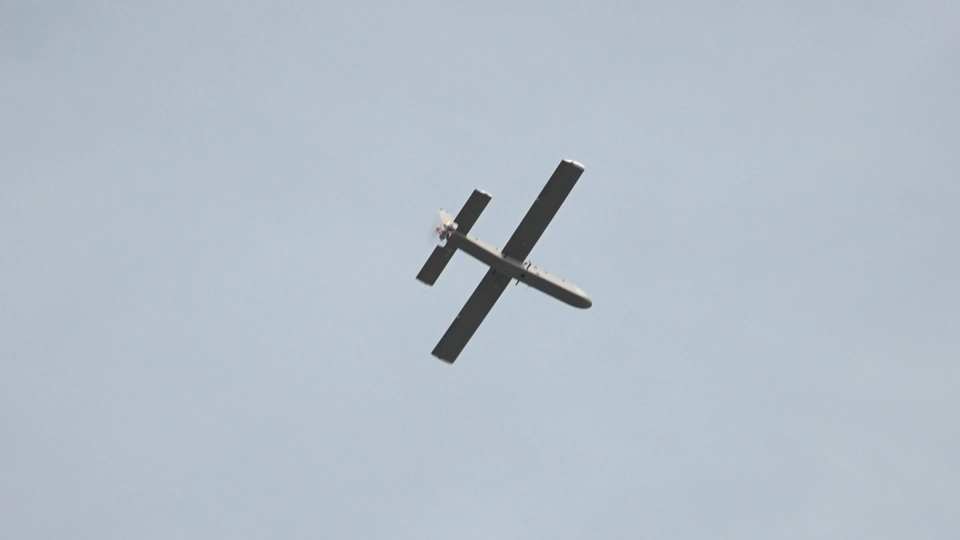 02:33
02:33 00:27
00:27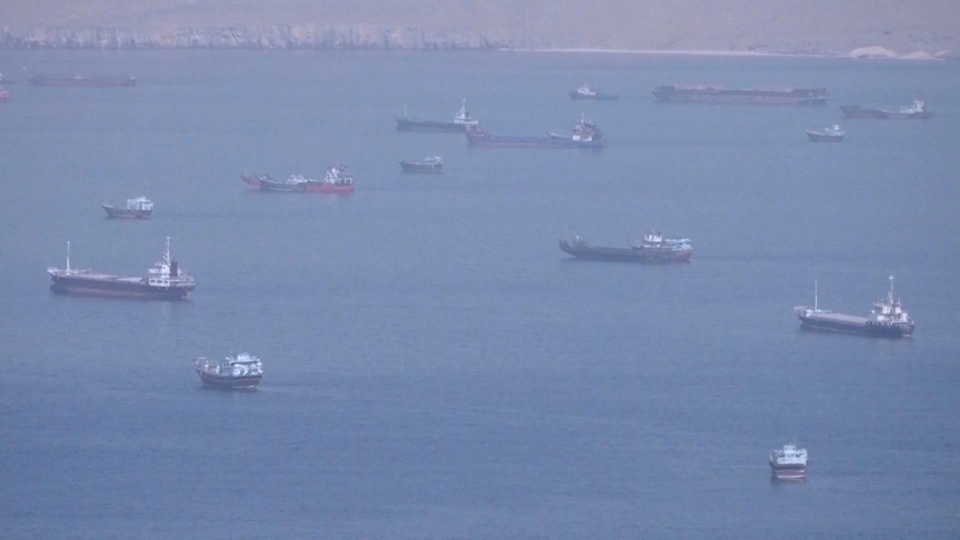 00:30
00:30 02:36
02:36 00:33
00:33 02:50
02:50 03:09
03:09