The Death of Iran’s Supreme Leader Sparks Unrest and Global Uncertainty
==
REPORTER:
In the Iranian city of Karaj, people fill the streets in celebration after news that US-Israeli strikes seeking regime change over the country’s nuclear program have killed their country’s supreme leader, the Ayatollah Ali Khamenei.
In the capital Tehran, voices could be heard late into the night calling for a return of Iran’s monarchy, driven out in a revolution nearly 50 years ago. Now, many want a new revolution to topple the Islamic theocracy that’s been in place ever since. After a violent government crackdown on mass protests earlier in the year that may have killed tens of thousands of people, foreign intervention now seems to have opened that possibility.
But Iran is under an internet blackout, meaning the whole picture may be more complex than the footage that has gotten out might suggest. Iran’s state TV says the strikes have killed civilians, including at least 118 inside this girls elementary school. An unidentified person had this response—showing the government, too, has its supporters.
Ms. Chou (RESIDENT OF DAMAGED BUILDING):
We stand behind our leader. Even if my whole life was under the rubble, we would not let go of our leader. We will always be behind the leader. I have 5 nieces now under the rubble. Only one of them is in the hospital. But we stand behind the leader to the last drop of our blood.
But that leader, Ali Khamenei, is now dead. His death was claimed publicly by US President Donald Trump and first denied then confirmed by Iranian state media.
State TV’s announcement hasn't named a successor. A three-person council will reportedly oversee a transition. But what comes next isn’t a question the wider region has much time to mull over right now. Because Iran is hitting back with drone and missile strikes of its own.
US installations in nearby countries like this naval center in Bahrain are among its chief targets, as is Israel in general, like this part of Tel Aviv where firefighters battled flames.
But around the Gulf, civilian sites like this residential block were hit, too.
The place where the questions “what happened” and “what comes next” are under fierce debate is the United States. Iran is yet another issue splitting an already polarized nation.
In Los Angeles, home to a large Iranian-American community, there was dancing and hugging in the streets at the news of Khamenei’s death—with messages of thanks to President Trump and pre-Islamic revolution flags speaking of years of bitter exile.
Unnamed Speaker (LOS ANGELES RESIDENT):
We’ve been up the whole night following the news. It's just a liberation. We don't look at it as an attack. It's just like World War Two, when they liberated the countries in Europe. And we are happy that the people of Iran are finally being liberated.
But in places like New York, there are uncomfortable memories of past US interventions and a strong disquiet with the current administration.
Unnamed Speaker (NEW YORK RESIDENT):
I woke up this morning, now we're bombing Iran. We didn't learn from the Iraq war. We need a regime change here, in this country. That's what the signs say. We need a regime change.
It’s the same story in the political sphere, with politicians and officials posting for and against the strikes on social media.
Amid the division, some Iran-watchers are skeptical the death of Khamenei will play out quite the way the US might hope—either with a popular uprising or at least a less hostile government. As Iranian-Swedish political analyst Trita Parsi sees it, Trump has walked away from a negotiated deal even better for the US than what Iran offered Obama—and the next leaders won’t be so amenable.
Trita Parsi (POLITICAL ANALYST):
He could have easily said that this victory came as a result of his military threats. Instead, he chose war because it seems like his hope is to actually get regime change, surrender, and humiliation. So the next iteration of leadership that would come from the same security apparatus is, to the best of my assessment, not more inclined to accept that type of a humiliating surrender.
But the strife over Iran isn’t over yet. With a “thank you to your attention to this matter,” the US president posted on social media that more bombings may follow throughout the week or as long as necessary to destroy Iran’s nuclear program and missile threat. So, this could be just the beginning in a tense chapter for Iran and the region with the potential for even more serious escalation.
[==SOT]##
 02:15
02:15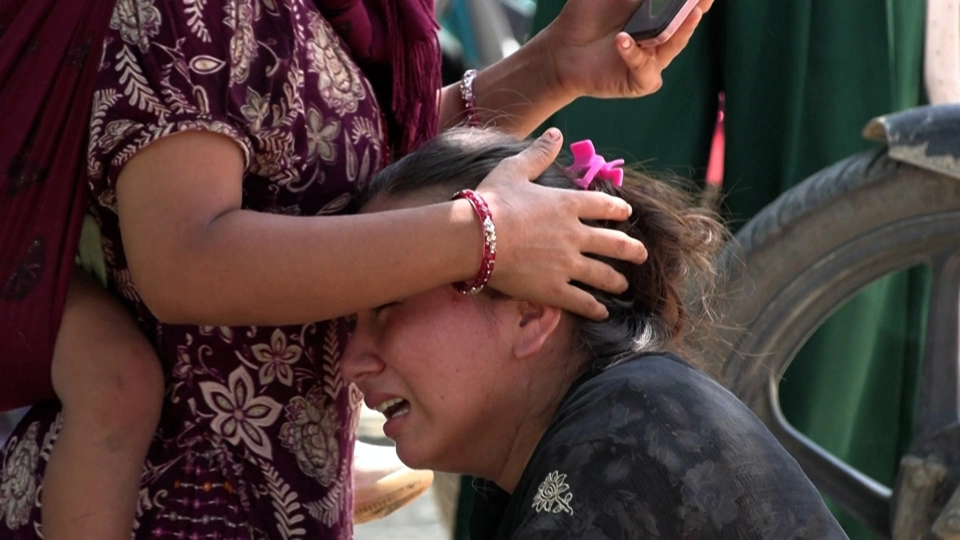 03:07
03:07 03:23
03:23 03:25
03:25 03:23
03:23 02:42
02:42 02:54
02:54 02:56
02:56 03:24
03:24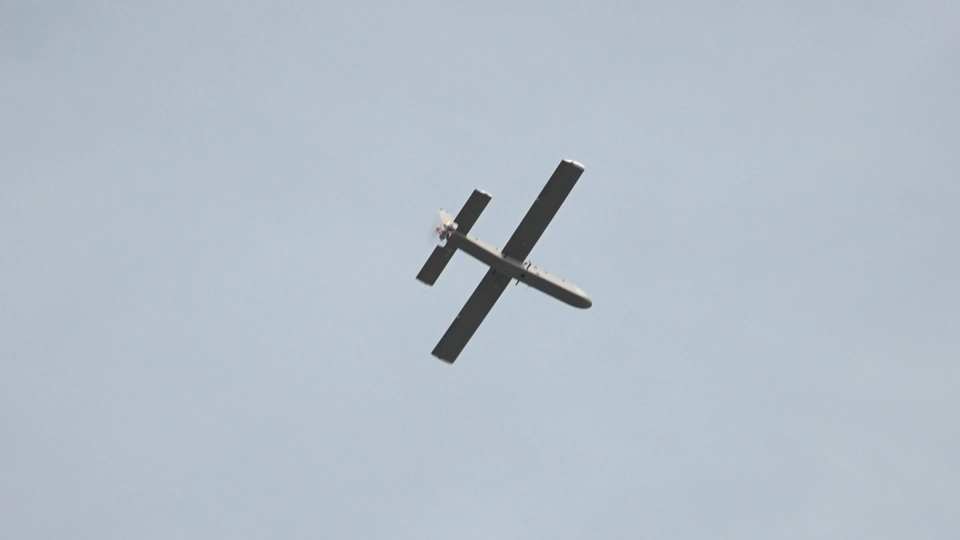 02:33
02:33 00:27
00:27 00:30
00:30 02:36
02:36 00:33
00:33 02:50
02:50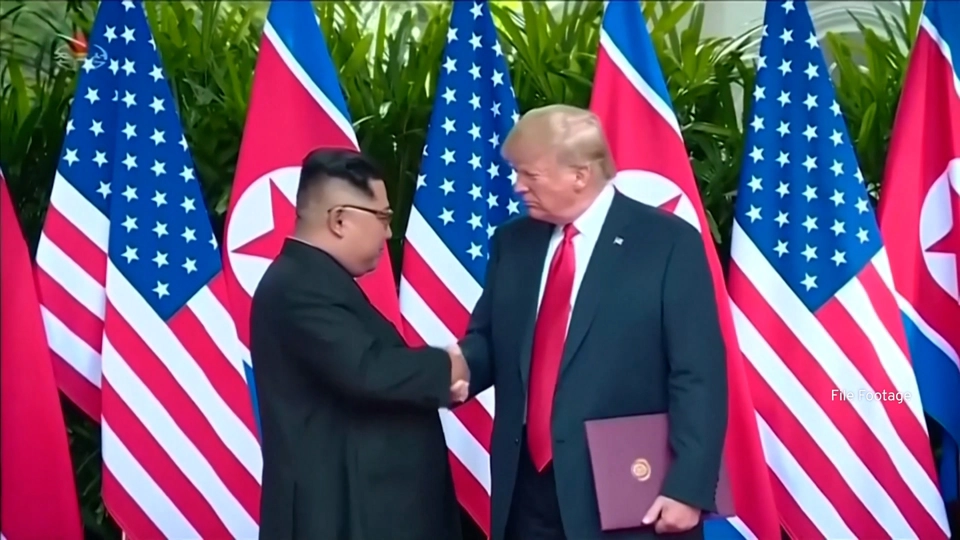 03:09
03:09