Rising Tensions in the Middle East Spark Regional Concerns in Asia
REPORTER:
As the US conflict with Iran ramps up, it could have greater implications for US partners in the Indo-Pacific. That’s causing concerns in Taipei.
Tristan Tang (NATIONAL TAIWAN UNIVERSITY):
I would say definitely we were worried about the possibility that the US military would be redeployed from Asia to the Middle East too much. But right now, as far as the data shows, the US deployment in the Western Pacific has not been significantly changed.
Chen Kuan-ting (LEGISLATOR, DPP):
We are concerned about the priorities of these deployments. From Taiwan’s perspective we hope for them to return to Asia as quickly as possible. Maintaining or increasing US visibility in Asia is extremely important for both the US and Taiwan and will give allies, including Japan, greater confidence.
REPORTER:
South Korean media have reported that US air defense assets stationed in the country could be redeployed to the Middle East as stockpiles run low. Neither Washington nor Seoul have confirmed such plans.
REPORTER:
In Southeast Asia, concerns are less about US deployments and more about what a widening conflict could bring.
Ja Ian Chong (NATIONAL UNIVERSITY OF SINGAPORE):
The strongest has been from Malaysia, where, uh, you know, they're talking about, um, scaling back some of their cooperation, uh, with the US. The rest of Southeast Asia, even if they do have, uh, such concerns, they are likely not to articulate them, uh, because, you know, they really don't want to get entangled too much into the Trump administration sort of, uh, preferences and and proclivities which they believe may be may create more complications for them than they would prefer.
REPORTER:
Iran has threatened to “set on fire” any ships traveling through the Strait of Hormuz, where about 20% of the world’s oil passes through. For energy-importing nations in Southeast Asia, that's a major problem.
Ja Ian Chong (NATIONAL UNIVERSITY OF SINGAPORE):
Fossil fuels is a matter of concern because they will also raise global prices. Right? And in that regard, it could crimp some of the economic growth, uh, in the region
REPORTER:
China, a close ally of Iran, is closely watching how the conflict develops. A New York Times report says that while Beijing prioritizes its ties with Washington, it could cancel or postpone a long-awaited meeting in Beijing between US President Donald Trump and his Chinese counterpart UNIDENTIFIED PERSON. The US says this meeting is set for late March, but China has yet to confirm.
REPORTER:
Whatever happens next, it is certain to reverberate beyond Washington and Tehran and carry consequences for countries across the Indo-Pacific.
 02:15
02:15 03:07
03:07 03:25
03:25 03:01
03:01 00:42
00:42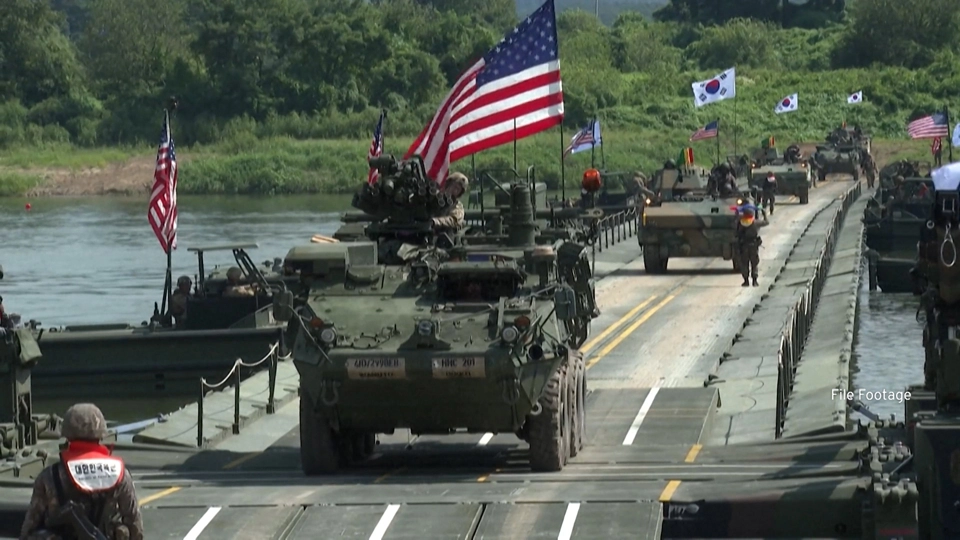 00:30
00:30 02:42
02:42 02:54
02:54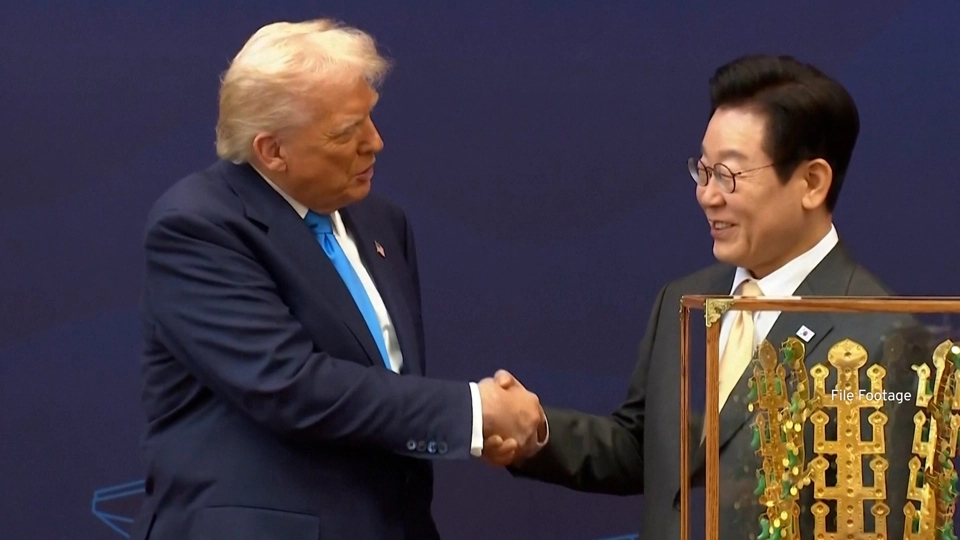 03:24
03:24 02:06
02:06 00:32
00:32 00:29
00:29 00:30
00:30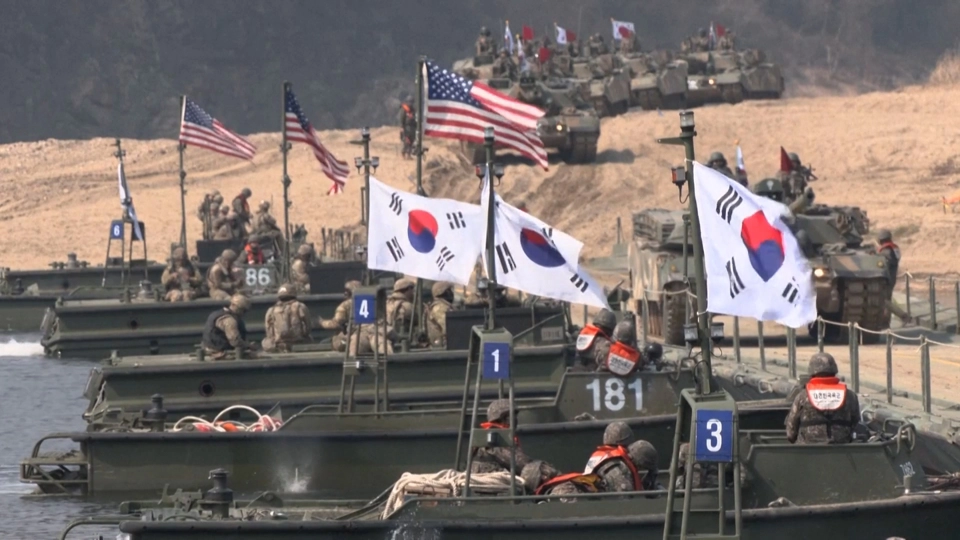 03:50
03:50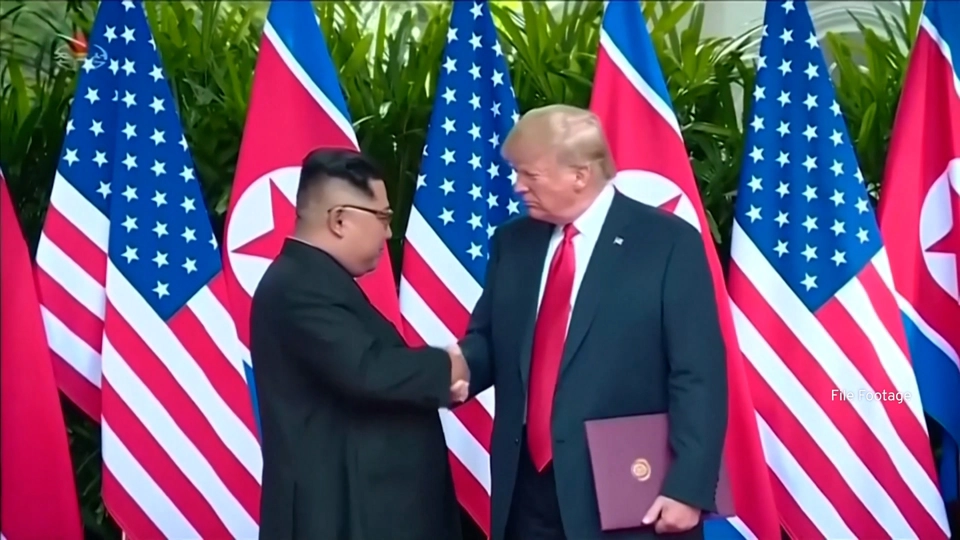 03:09
03:09 04:36
04:36