Nuclear Arms Controls
REPORTER:
We're seeing with the expiration of this nuclear treaty between the US and Russia, a general sort of expansion of countries that are interested in acquiring their own nuclear weapons. What do you think this means for Asia?
Pei-Shiue Hsieh (INDSR RESEARCH FELLOW):
First of all, if we look at probably the root cause for this, uh, the, the, all the state, suddenly all the states wanted to have their own, uh, nuclear weapons. I will say that because in recent years we all know that the PLA China, they have been increasing their stockpiles of nuclear weapons.
China is getting up its nuclear capability in the in the region. And definitely it will significantly reduce the uh, Pacific Allies' confidence in US nuclear umbrella, the extended deterrence. So that's why the suddenly the Japan, South Korea, they all wanted to have some sort of discussion about their own nuclear weapons.
REPORTER:
Do you think this is a positive or a negative for decision makers in Beijing and in Washington?
Pei-Shiue Hsieh (INDSR RESEARCH FELLOW):
Definitely is a bad sign, signal for the Pacific allies.
The current US government, its foreign policy. The postures maybe will result in some of the concerns or questions about whether the US Washington will maintain their commitment, delivery, delivery, commitment in the nuclear deterrence to their Pacific Airlines. But from my perspective, the current US government, their administration, their posture is just posture. They definitely know the allies, pacific allies are their core interests.
Nuclear proliferation is a status that definitely is a represents a bad signal to to Beijing.
The increase in stockpiles in Chinese nuclear weapons also gave the Indian government a lot of pressures
That definitely it will create more um, uh, tensions and risks to the Beijing government.
REPORTER:
Which factor is more important in driving these type of discussions in countries like South Korea and Japan? Is it about the threat from China, or is it more about concerns regarding the US alliance in the region?
Pei-Shiue Hsieh (INDSR RESEARCH FELLOW):
So from my perspective the Chinese factors place more weight in this kind of this current situation, which means that more and more states, especially in the Pacific areas, they wanted to have some sort of nuclear capabilities.
A lot of people say that one of the reasons why Putin Russia dared to invade Ukraine is because they gave up their nuclear weapons decades ago.
Russia and Putin has been used, uh, nuclear weapons as a deterrence to stop the NATO from officially supporting, uh, Ukraine. Right. So and the Beijing definitely Xi Jinping definitely learned this lesson.
 02:15
02:15 03:07
03:07 03:25
03:25 03:01
03:01 00:42
00:42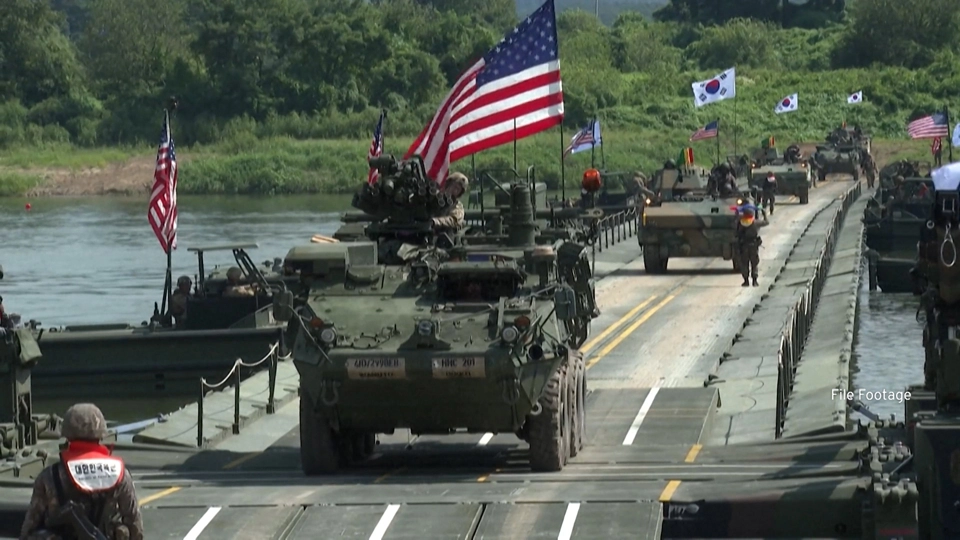 00:30
00:30 02:42
02:42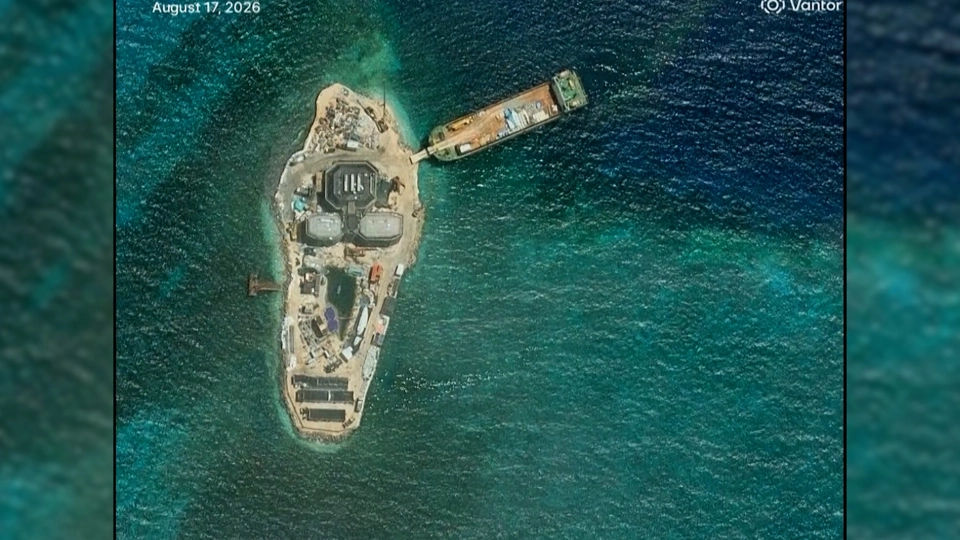 02:54
02:54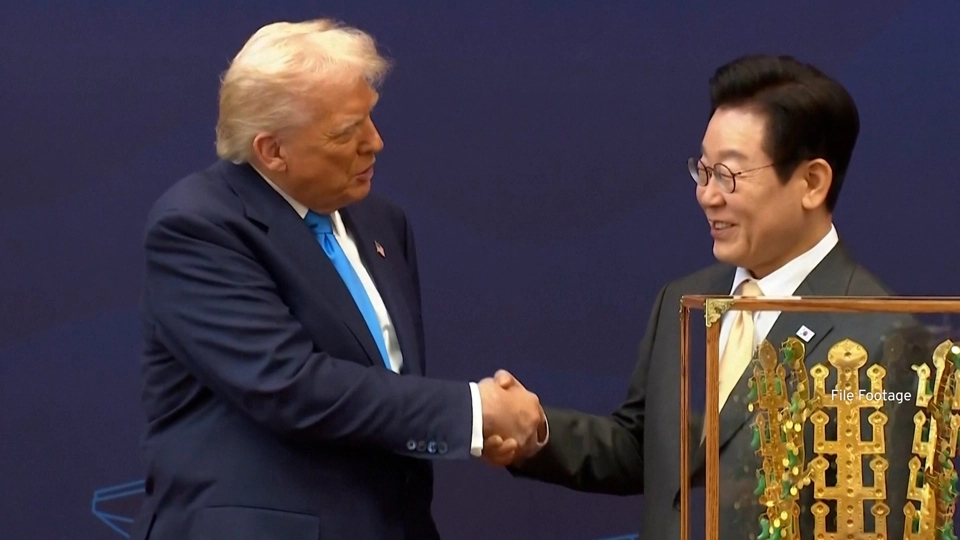 03:24
03:24 02:06
02:06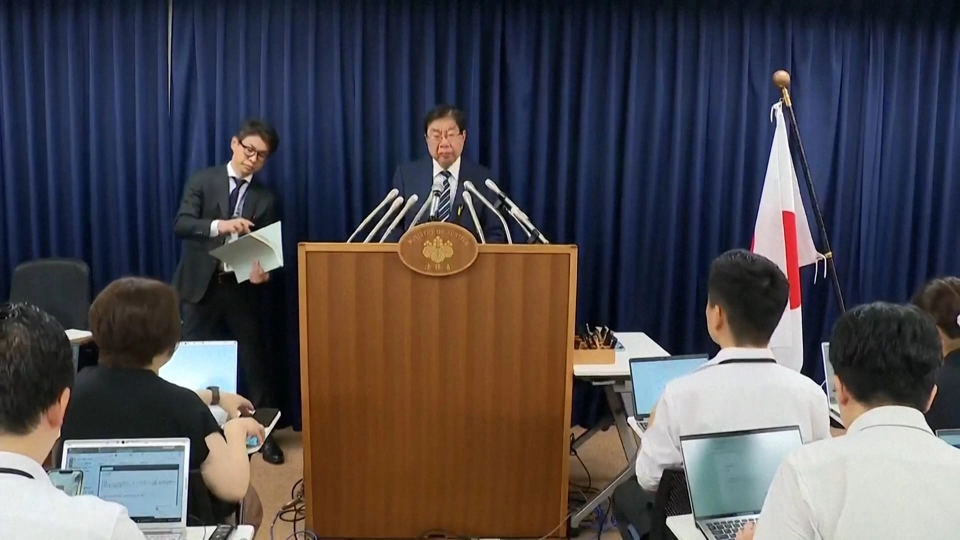 00:32
00:32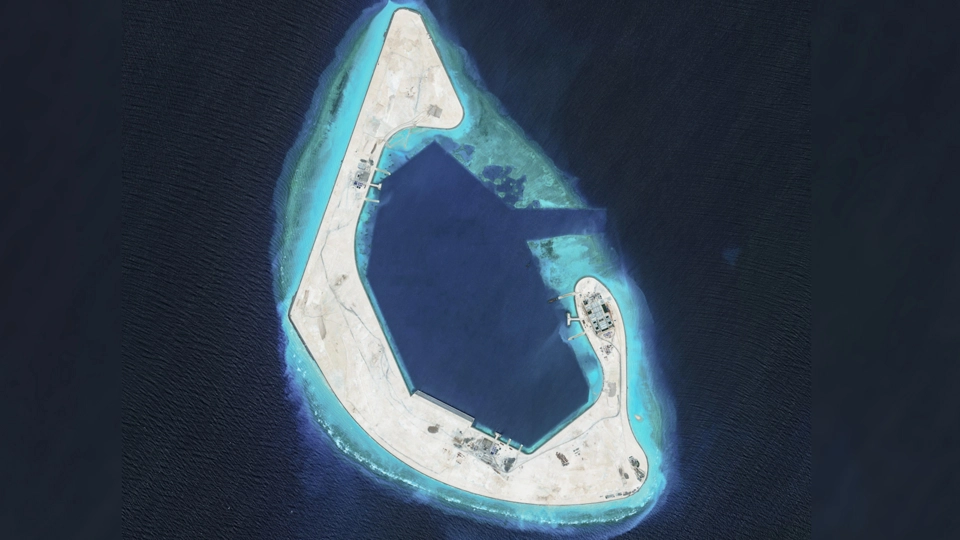 00:29
00:29 00:30
00:30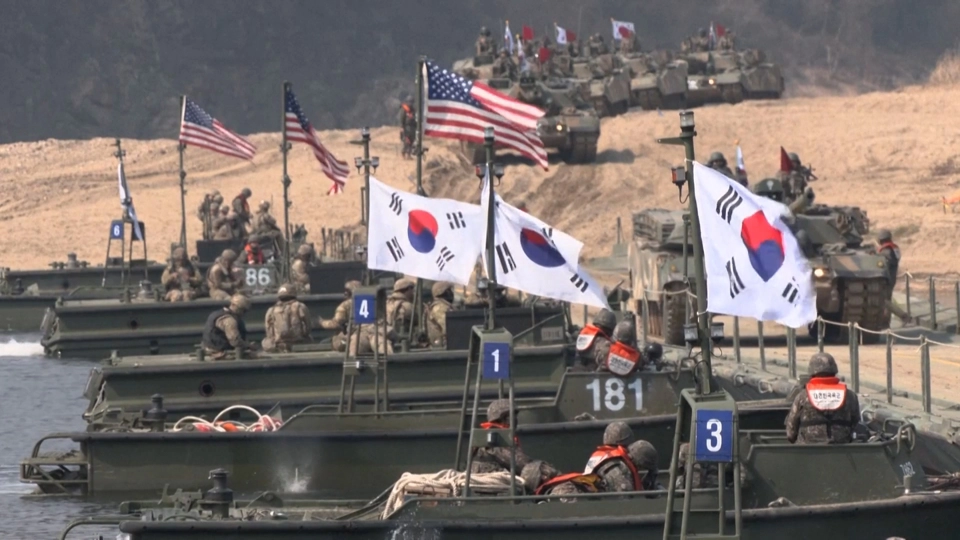 03:50
03:50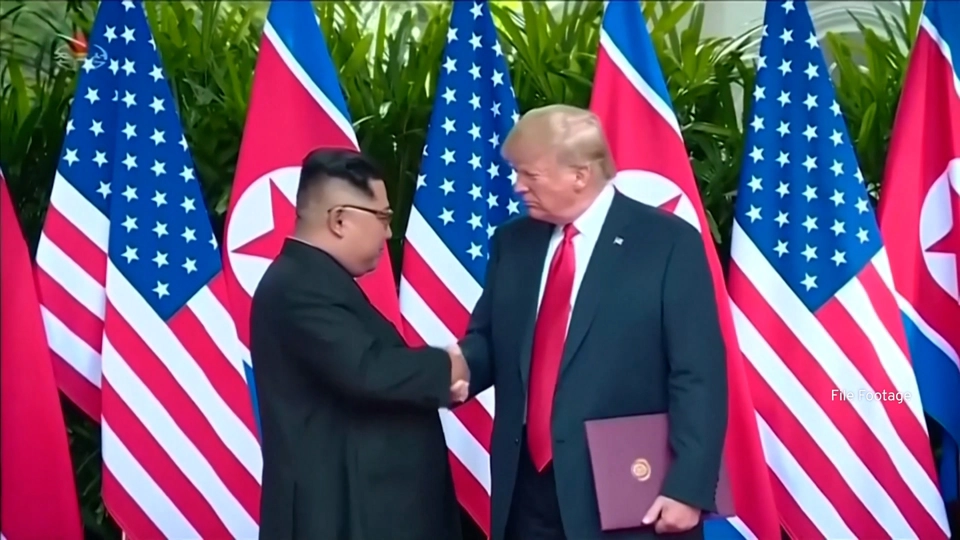 03:09
03:09 04:36
04:36