Japan’s Election: Security on the Line
Japanese fisher Nakama Hitoshi pilots his boat through a harbor on Ishigaki Island in Japan’s far southwest.
On many days like this, he’d be making the 170km journey into the contested waters of the East China Sea, dodging Chinese coast guard vessels and advancing Japan’s claim to the small island cluster there. But with heightened tensions between Japan and its giant neighbor, those profitable fishing expeditions to Diaoyutai—or the Senkaku Islands as they’re known in Japan—are off.
Nakama has powerful supporters interested in projecting Japanese power—including the country’s finance minister. But even they are telling him to be careful.
What Minister Katayama said was: ‘Small incidents can grow bigger and lead to war,’ so I think what she was really saying was that she didn’t want me to go.
China’s been especially furious with Japan since November. That’s when Prime Minister Takaichi Sanae said that if China goes through with its threats to invade Taiwan, Japan might have to intervene. China has sharply put export restrictions on critical minerals headed to Japan—and now it’s extending calls for its citizens to avoid Japan entirely through the upcoming Lunar New Year in an effort to hurt Japan’s tourism industry.
Far from walking back her remarks, the Prime Minister has now told broadcaster TV Asahi that if US troops defend Taiwan from a Chinese invasion and Japan stands back, it would spell the collapse of the US-Japan alliance.
Amid these rumblings, Japan faces a choice, with a snap election scheduled for February 8th. On Monday the 2nd, leaders of seven Japanese political parties take to the debate stage in Tokyo. In the middle is Prime Minister Takaichi Sanae, who’s leadership is on the line, gambling that her popularity will give her ruling coalition both a majority and a solid mandate.
Though the focus of this election is on cost-of-living issues, these politicians cannot avoid questions about Japan’s future security. China is on the doorstep, and Japan’s security guarantor, the US, is testing old alliances with its latest global actions. The recent crisis over Greenland has some at the debate calling for more self-reliance.
For middle powers such as Japan and Europe, I believe that in a sense, this is a threat. But that said, the Japan-U.S. alliance remains strong and diplomatic efforts are needed to maintainAmerica’s engagement in Asia. However, more than ever before, we must defend ourselves.
And others call for Japan to distance itself from the US.
Under the Trump administration, which brandishes the rule of force, we will stop blindly following the United States and transform Japan into a country that creates peace through the power of diplomacy.
But the Prime Minister’s take is more aligned with the status quo.
Takaichi Sanae (PRIME MINISTER):
The United States speaks of the “rule of force,” but we understand it as deterrence backed by supporting strength. Even when you read the text, it is clear that it refers to deterrence through power. Regarding the Venezuela issue as well, after it arose, I clearly expressed my views on social media. Moreover, I have held telephone talks with President Trump, and we have built a relationship in which we can speak by phone at any time. Japan has clearly stated its own position.
While Japanese voters think about their bank accounts in the upcoming election, they will also have to make a choice many other countries are weighing—how to position themselves in a world tangled up in larger power conflicts. It’s a tough decision fishers like Nakama on the frontlines know all too well.
 02:15
02:15 03:07
03:07 03:25
03:25 03:01
03:01 00:42
00:42 00:30
00:30 02:42
02:42 02:54
02:54 03:24
03:24 02:06
02:06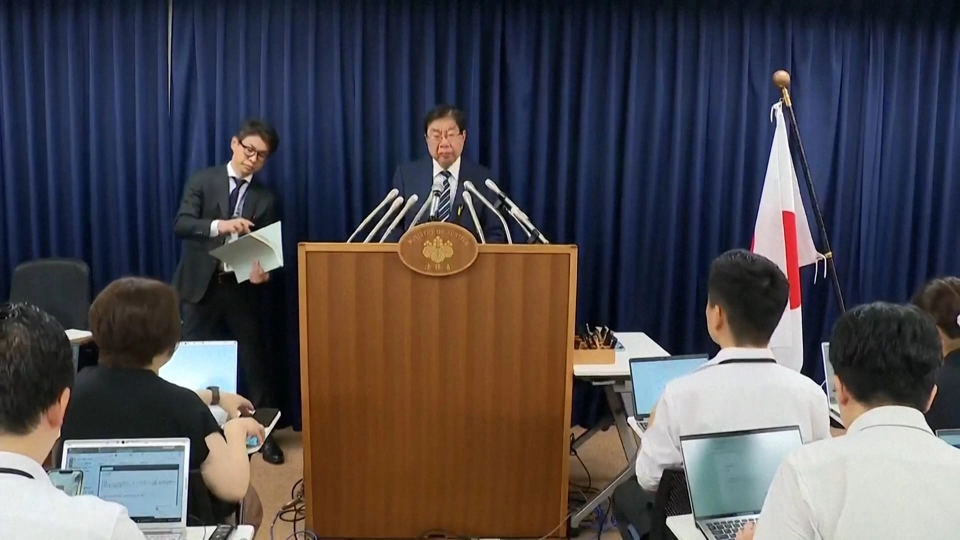 00:32
00:32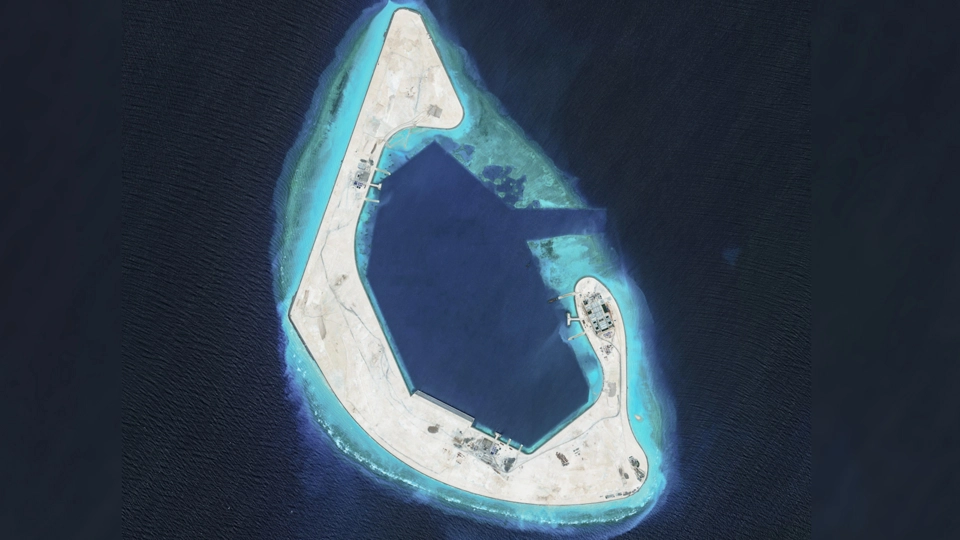 00:29
00:29 00:30
00:30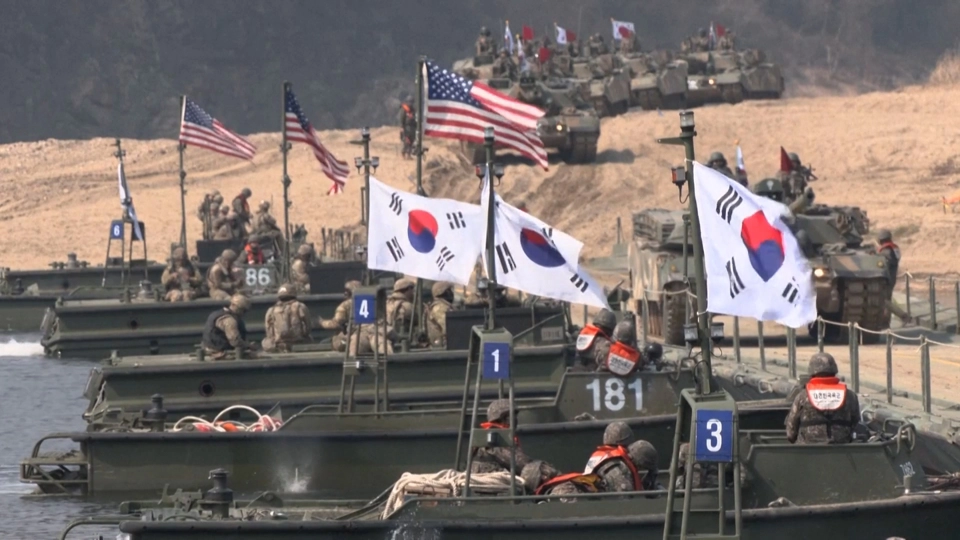 03:50
03:50 03:09
03:09 04:36
04:36