Japan-China and Japan-Taiwan Relations: Political Tensions and Public Sentiment
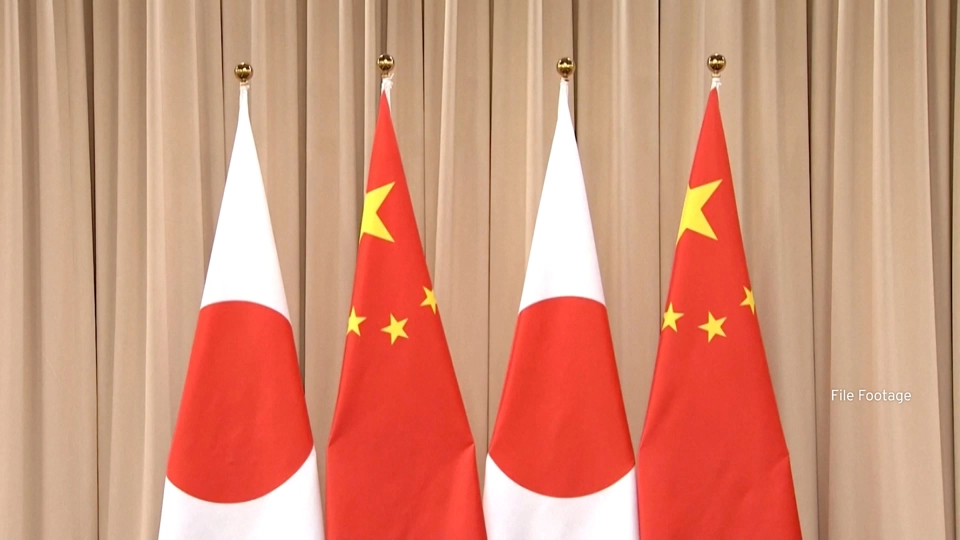
Even people who don’t care about politics have started feeling it. We can see some examples of Chinese intimidation. First is rare earths. They’ve felt the impact of Chinese export controls. Secondly, Japanese star Hamasaki Ayumi’s concert in Shanghai was suddenly canceled. Japanese people felt that. Some singers can’t go to China. And so Japanese people’s feelings toward China aren’t very good. Also, the number of Japanese lawmakers who’ve been to China recently is zero. No one dares to go. And no one will speak up for China. Standing with China is poison at the ballot box.
If Prime Minister Takaichi’s coalition wins a majority, Chinese intimidation of Japan will lose its effectiveness because it means Takaichi stays on as prime minister, having gotten the approval of the people, and so China will have to find a way to deal with her. The former Komeito party was always closer to China, so China will hope the new party it’s merged to create will win more seats.
If Takaichi wins, ties with Taiwan will continue to deepen. But if the rival Centrist Reform Alliance wins, the pace will slow down because Komeito that merged to form the party would put the brakes on things. If their new party wins, they will likely improve diplomatic relations with China. But in military terms, it will still be the same. Japan will watch the situation calmly.
 03:39
03:39 02:15
02:15 03:07
03:07 03:25
03:25 03:01
03:01 00:42
00:42 00:30
00:30 02:42
02:42 02:54
02:54 03:24
03:24 02:06
02:06 00:32
00:32 00:29
00:29 00:30
00:30 03:50
03:50 03:09
03:09