US National Defense: Lack of Taiwan Mention Not a Lack of Commitment
REPORTER:
A focus on the Western Hemisphere, calling for allies to take on more responsibility for their own defense, and no mention of Taiwan – the Pentagon's latest national defense strategy does not seem to ease concerns over the US's commitment to defending its partners around the world.
But experts in Taiwan say that the strategy not mentioning the country does not mean any less commitment from the US to regional security.
Chen Shih-min (NATIONAL TAIWAN UNIVERSITY):
China is the only country mentioned in this report as needing to be “deterred.” This is all clearly aimed at China and how to prevent it from taking certain actions. The place where China is most likely to take such action is against Taiwan making it the most likely trigger for conflict between the US and China.
REPORTER:
The document’s goal is to lay out where the US military should be focusing, one expert said.
Su Tzu-yun (DEFENSE ANALYST, INDSR):
This document is oriented towards threats. It focuses on assessing external threats like China, Russia, Iran and North Korea to provide the US military with clear objectives for how to deploy its forces.
REPORTER:
The strategy says that the US will deter China “through strength, not confrontation,” and that the American goal is for a state of peace where neither side dominates the other.
Joseph Wu, a member of Taiwan’s National Security Council, says the strategy’s goal is to prevent China from controlling the region and that Taiwan would continue to invest in its defense to deter Chinese aggression.
REPORTER:
The US defense department published the strategy just days after Raymond Greene, head of the de-facto US embassy in Taipei, said in a speech that “freedom isn’t free,” and called for Taiwan to continue boosting its defense spending. It comes amid ongoing legislative deadlock in Taiwan, which has left about 20% of the country's defense budget waiting to be approved and President Lai Ching-te's separate $40 billion US dollar special defense proposal stalled.
REPORTER:
Meanwhile, China continues to claim sovereignty over Taiwan and has not ruled out taking the country by force.
Yuan Tuan and Lery Hiciano, for TaiwanPlus.
 03:23
03:23 00:42
00:42 00:48
00:48 00:40
00:40 02:56
02:56 03:24
03:24 00:30
00:30 02:36
02:36 00:23
00:23 00:33
00:33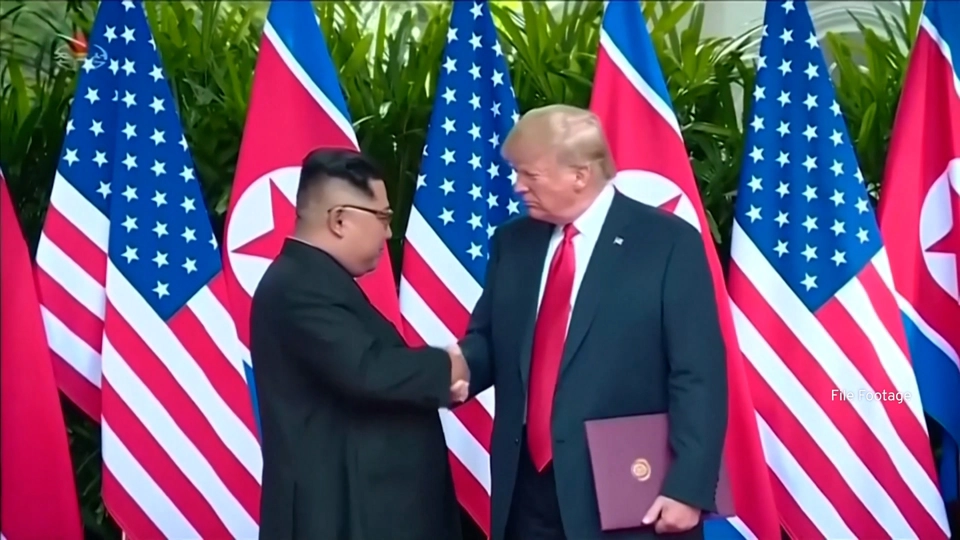 03:09
03:09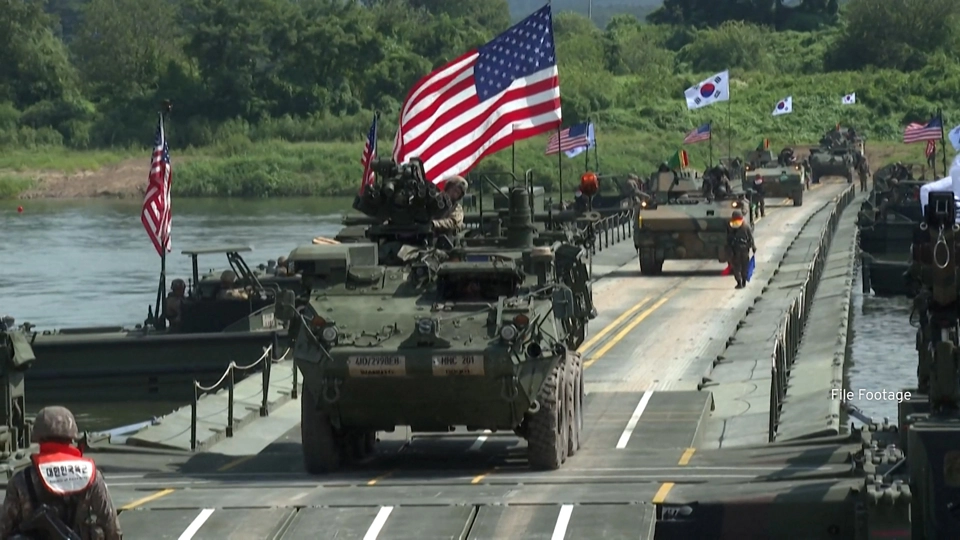 04:06
04:06 00:39
00:39 00:36
00:36 00:25
00:25 00:22
00:22