US-Taiwan Drone Collaboration Set to Advance Quickly
REPORTER:
March 1, 2026 – that's the deadline the US Congress’ latest National Defense Authorization Act bill is giving the department of defense to start up its drone collaboration program with Taiwan.
In a document with timelines stretching five years into the future – this short time frame of just 4 months is a clear indicator that this is a priority for Washington.
Su Tzu-yun (DEFENSE ANALYST, INDSR):
A key point is that the US wants to work with Taiwan on developing drones and other unmanned aircraft systems (UAS). It specifically stresses joint R&D with Taiwan as well as joint production. The goal is to make Taiwan’s military and the US military interoperable. This would greatly enhance Taiwan’s asymmetric warfare capability. In other words, its ability to offset and counter China’s military threat.
REPORTER:
A key point is that the US wants to work with Taiwan on developing drones and other unmanned aircraft systems (UAS). It specifically stresses joint R&D with Taiwan as well as joint production. The goal is to make Taiwan’s military and the US military interoperable. This would greatly enhance Taiwan’s asymmetric warfare capability. In other words, its ability to offset and counter China’s military threat.
Both Taiwan’s defense and foreign ministries thanked Washington for the support, although neither commented on unannounced arms agreements.
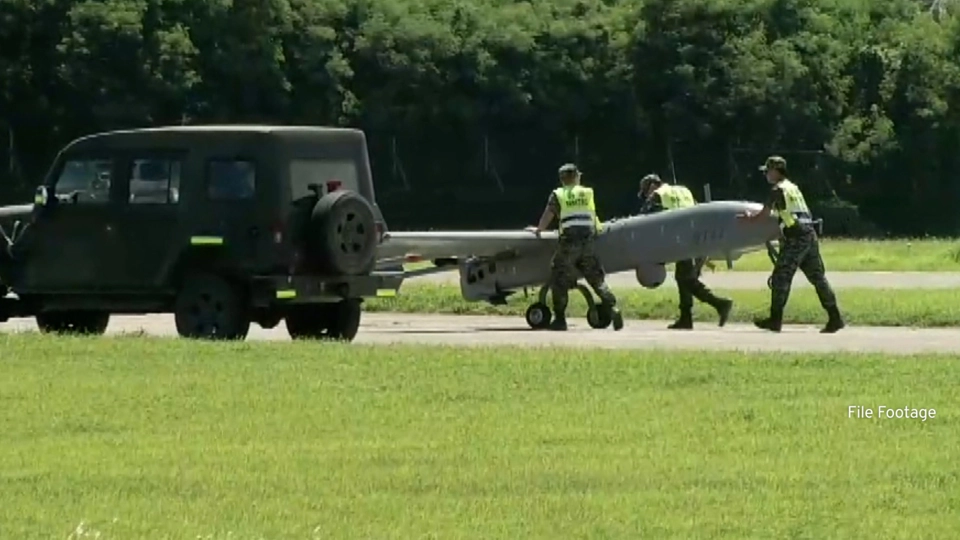
Taiwan already has its own drone ambitions.
Its navy posted its requirement for a new drone boat on Monday and there are already Taiwanese companies eyeing the project.
The navy is looking for a boat with sufficient range and speed to cover much of Taiwan’s coastline, and a payload with real striking power. It would also need to be able to operate for hours in rough seas on a single charge.
And just two weeks ago, the defense ministry unveiled its procurement strategy for aerial drones. 50,000 units over the next two years of different types: first-person-view drones, bombers, medium and short-range loitering munitions, and coastal surveillance drones.
Taiwan is heavily investing in a drone industrial park in Chiayi County, seeking to become an international hub for like-minded countries and leverage Taiwan’s expertise in manufacturing.
Su Tzu-yun (DEFENSE ANALYST, INDSR):
The US still has the world’s most advanced drone technology. In other words, its design capabilities are the most advanced. But when it comes to mass production Taiwan is stronger. If things move quickly my personal assessment is that we could see results in about six months. Even if it takes longer, there should be progress within a year.
REPORTER:
By mid-2026, the first results of this Taiwan-US collaboration may already be operating in the skies and waters around Taiwan. If so, it would represent a new example of security collaboration between Taiwan and its partners.
Devin Tsai, and Lery Hiciano, from Taiwan Plus.
 04:02
04:02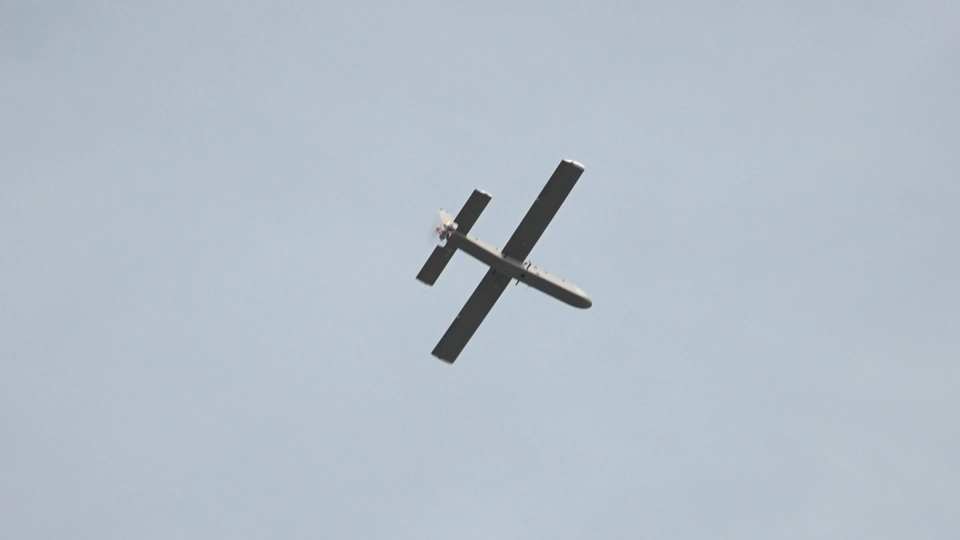 02:33
02:33 00:44
00:44 02:56
02:56 04:54
04:54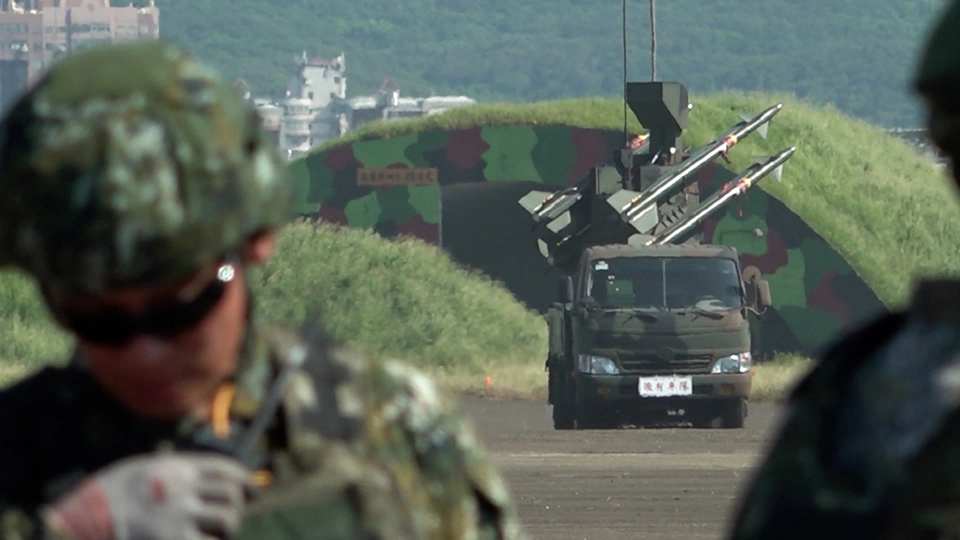 03:19
03:19 00:34
00:34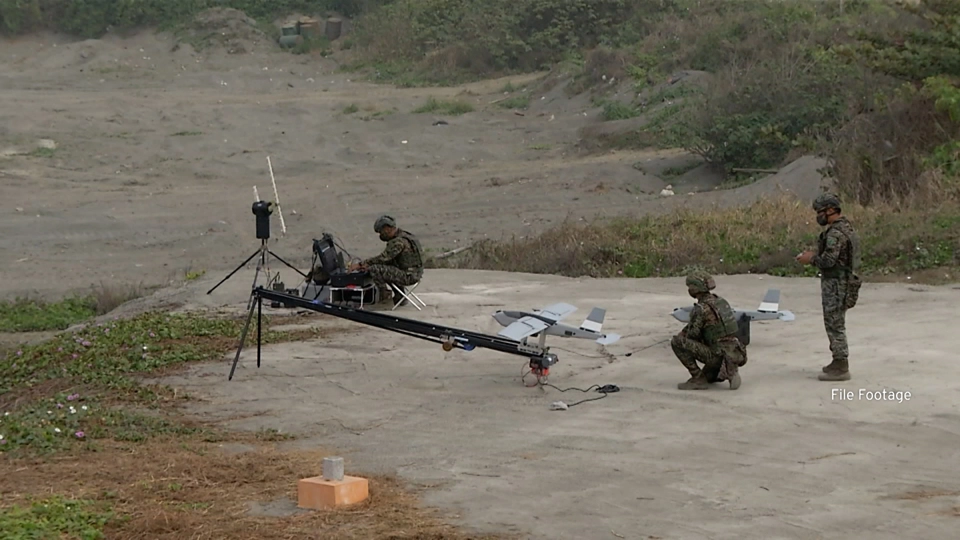 01:56
01:56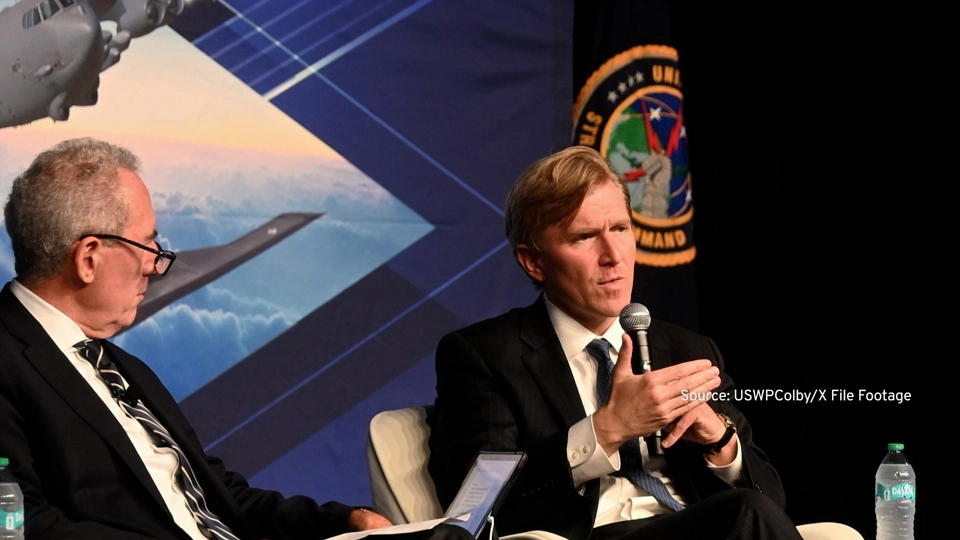 00:34
00:34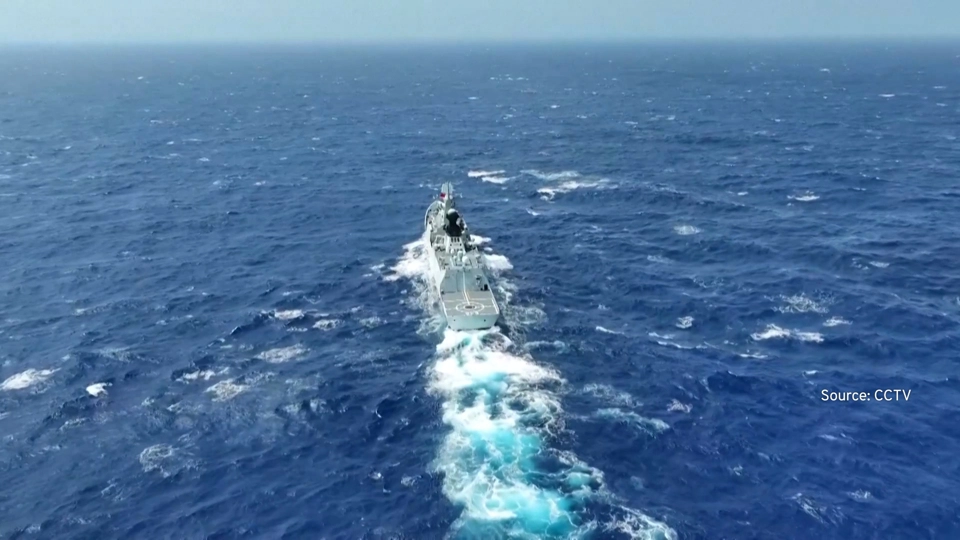 00:31
00:31 02:38
02:38 07:10
07:10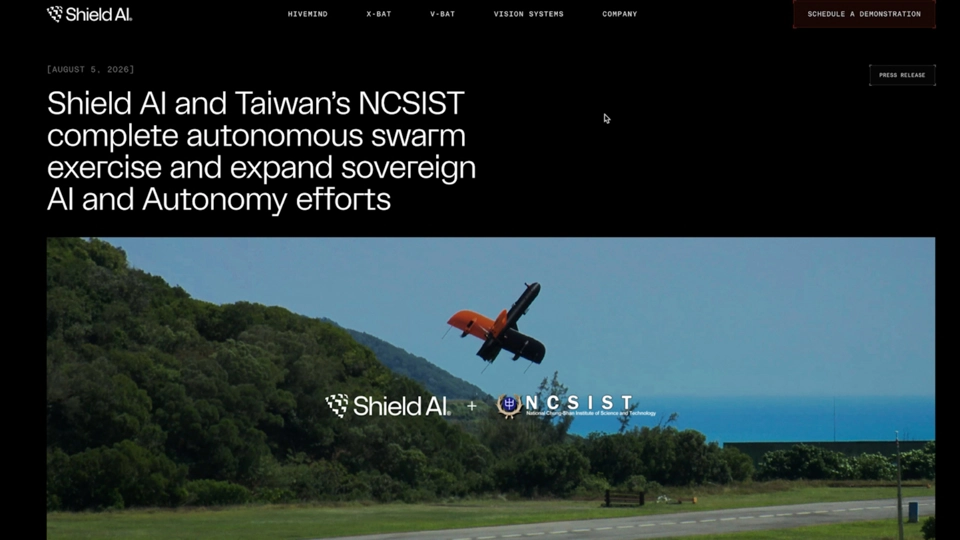 00:36
00:36 00:35
00:35 00:31
00:31 02:36
02:36