**Combating Beijing’s Pressure**
REPORTER:
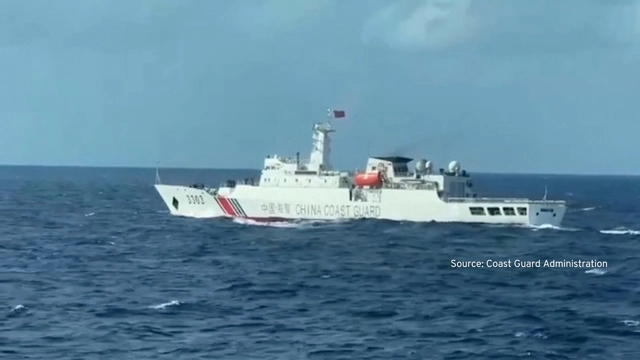
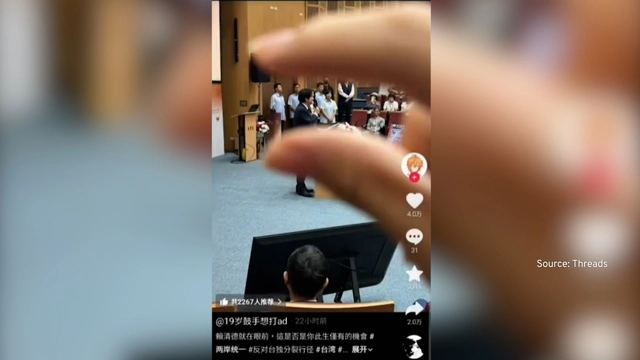
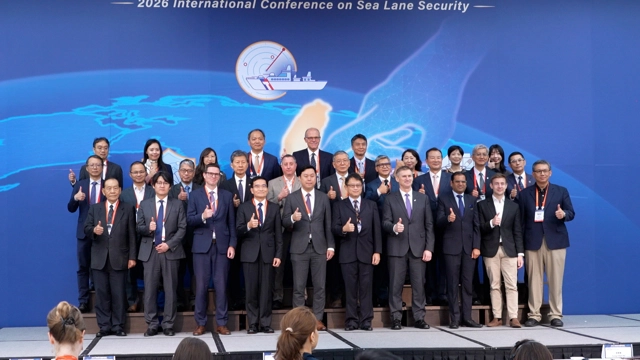
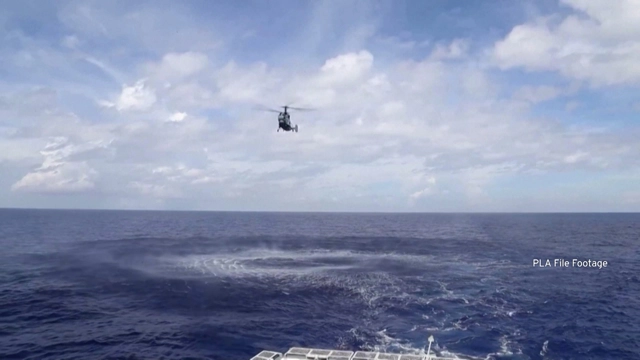
China. It’s a challenge across the board. From destabilizing the regional status quo to confronting Taiwan and others militarily, in cyberspace, and even legal institutions. Events like this one serve to bring international experts together to highlight the issues surrounding Beijing's actions.
REPORTER:
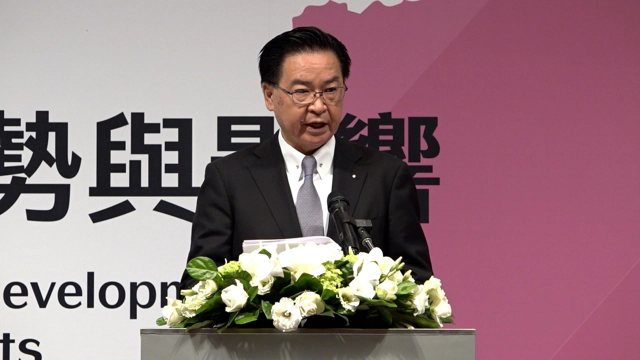
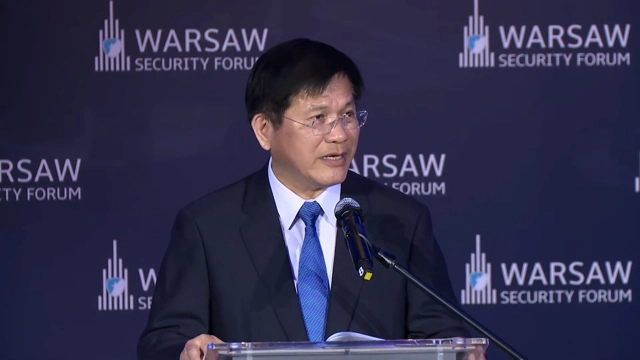
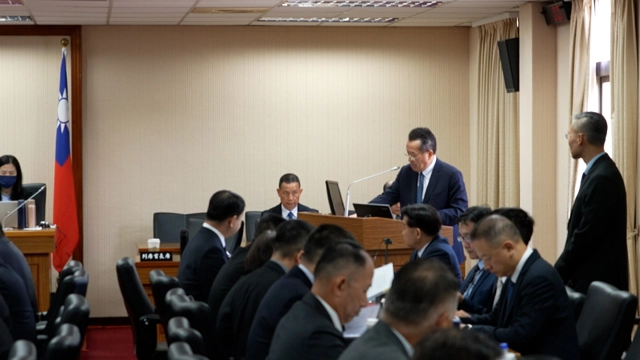
Taiwan’s national security chief warned that China, emboldened by its growing economic power, exerts greater and greater pressure on nearby democracies.
Joseph Wu (SECRETARY-GENERAL, NATIONAL SECURITY COUNCIL):
Over the past 15 years, China has consistently expanded its presence in the region. It is motivated to expand at the cost of democracies in the first island chain. It has come up with domestic legislation to govern other countries in something we all call lawfare. It has seized opportunity and exploited pretexts to take action. The track record is long and clear.
REPORTER:
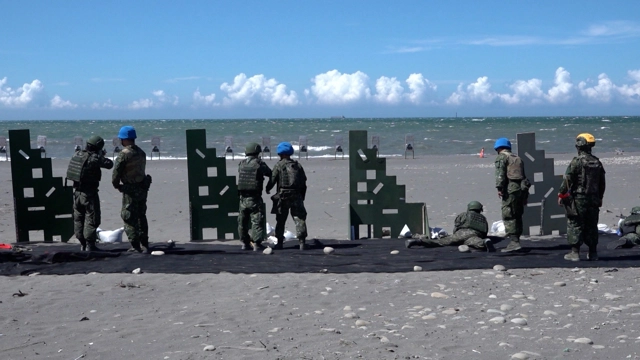
Taiwan, the Philippines, and Japan are on the front lines of this growing tension. They’re all affected by China’s recent widening territorial claims and economic coercion. The US is seen as the main ally for several Asia-Pacific countries. But its key role in maintaining the balance of power faces growing challenges.
Randall Schriver (FMR. US ASSISTANT DEFENSE SECRETARY):
The United States is going to be short of munitions, perhaps even short of some key capabilities
And so we need to think about not only building things, but the operational concepts and doing so with some sense of urgency.
US-China competition will continue to be the defining element, the defining quality for the region
REPORTER:
But there have been growing concerns from some US allies on just how trustworthy US commitments may be.
Randall Schriver (FMR. US ASSISTANT DEFENSE SECRETARY):
Now there's an elephant in the room to address here. Our president has had two summits with XI Jinping
So I will concede that sometimes there are messages that appear mixed, particularly given some of the rhetoric, but I see the United States continuing to position itself for effective strategic competition with China
I think it's fair for our friends and partners to ask the United States to be a model ally
REPORTER:
All of this comes amid media reports that US president Donald Trump may have another meeting with Chinese counterpart Xi Jinping and Russian leader Vladimir Putin, sparking alarm over what could be in store for US allies, including Taiwan.
All the while, a reported $14 billion US dollar arms package from Washington to Taipei is still on hold.
REPORTER:
It's a common refrain among experts: China’s economic rise has enabled a military one. It poses a threat to Taiwan, and to a lesser extent, the US. Whether bilateral cooperation rises to meet the challenge is what everyone here is keen to see.
 02:48
 00:50
 00:44
 00:39
 00:52
 00:35
 02:40
 00:45
 00:32
 00:41
 02:27
 01:26
 00:37
 02:25
 03:16
 00:52