*This AI-generated summary is based on reporting by TaiwanPlus and verified by newsroom fact checkers. Learn more about our policy here.
Mermaiding Makes a Splash in Taiwan—But Not Without Risks
In the underwater world of mermaiding, fantasy meets athleticism as performers don monofins and glide through the water with the grace of mythical sea creatures. This unique sport, which draws inspiration from freediving, is growing in popularity across Taiwan and beyond.
“Mermaiding is a dream that many people have when they’re young,” said Isabelle Ho, a mermaiding instructor in Taipei. “People imagine themselves swimming in the water like a mermaid. Whether it's Ariel from ‘The Little Mermaid’ or the sirens from ‘Pirates of the Caribbean,’ there are different types and styles of mermaids.”
The sport, while rooted in imagination, is far from make-believe. Mermaiding demands breath control, physical strength, and elegant movement—skills on full display at Taiwan’s annual mermaid competition, held in Hualien at Taiwan’s only ocean park. This year, 80 participants competed, including international athletes from Japan, South Korea and the Philippines.
“Mermaid performance is amazing because mermaids in Taiwan are very popular,” said Alan Lam, founder and judge of the Mermaid Federation International. “In Taiwan, you can see their skills are the best—their performance, I mean, the artistic performance ... the storytelling, like they're moving with music and then some very challenging skills.”
For competitors like Gian Jurado from the Philippines, the event was a dream come true. “I'm from the Philippines. And I really wanted to go to Taiwan because I admire the athletes here, the mermaids here. When I started being a fish, I've always looked to the Taiwanese... and it's really been a great experience to actually see them.”
Behind the graceful moves is rigorous training. “I think the most difficult part is figuring out what we need to strengthen,” said Taiwanese mermaid Dino Lin.
However, the sport also comes with risks. The monofin, while enabling mermaid-like propulsion, can increase the chance of drowning. Earlier this year, a mermaid performer in China passed out mid-performance, sparking international concern.
“Just looking at the footage, I think she held her breath past her limit,” Ho said. “So her body entered a low-pressure and oxygen-deprived state. That is when she started to pass out and slipped into unconsciousness, causing diaphragm spasms.”
To prevent such incidents, mermaiding instructors in Taiwan place strong emphasis on safety training.
“During our sessions in the classroom, we start by practicing holding your breath,” Ho said. “We talk a lot about breathing-related safety issues. Then we guide students to understand where their limits are. The whole process is step-by-step. We don’t start by holding our breath for a long time or pushing ourselves to the point of passing out.”
As the sport continues to grow, more pools across Taiwan may soon be home to these mythical performers. But as instructors stress, mastering mermaiding means knowing your limits as much as perfecting your tail flick.
 03:43
03:43 03:25
03:25 00:31
00:31 01:21
01:21 04:01
04:01 02:29
02:29 00:44
00:44 00:30
00:30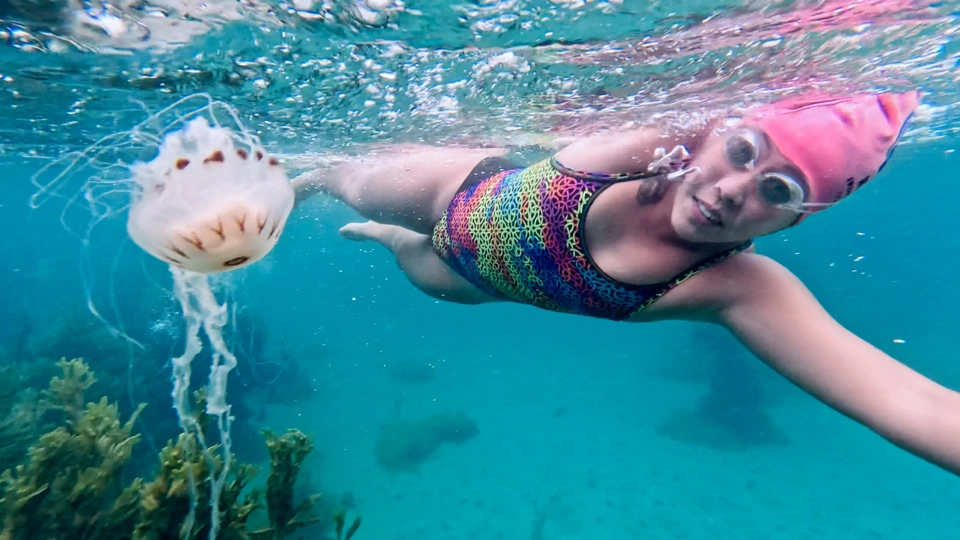 03:52
03:52 02:57
02:57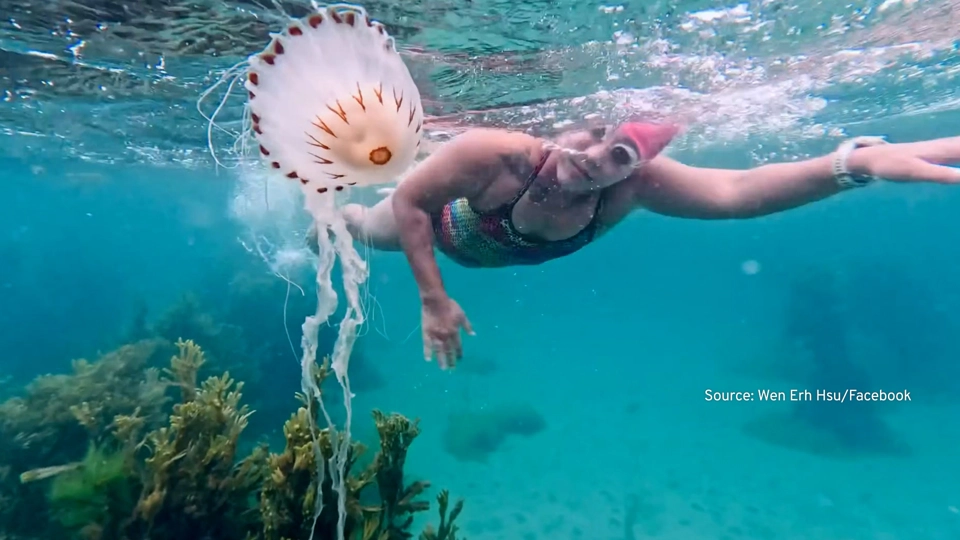 00:35
00:35 00:52
00:52 00:31
00:31 01:59
01:59 03:16
03:16 01:12
01:12