Taiwan’s Special Defense Budget: Plans and Priorities
REPORTER:
Rapid deployment and precision strike capabilities — this is the HIMARS rocket launcher, one of the weapons systems Taiwan plans to keep buying.
On Monday, the defense ministry published a purchase plan for its record special defense budget worth around 40 billion U.S. dollars.
The plan aims to strengthen Taiwan’s air defenses. Key items include the HIMARS, self-propelled artillery, drone and counter-drone systems, air defense and anti-ballistic missiles, and AI-assisted information systems.
But the plan still needs approval from the legislature.
Wellington Koo (DEFENSE MINISTER):
It hasn’t even been sent to committee yet.
And it hasn’t been passed.
But we still have to respect the legislature.
We will base our planning on the amount of funding
the legislature ultimately approves
deciding how much goes toward
foreign military purchases, commercial procurement
and domestic commissioned production.
The budget, put forward by President Lai Ching-te in late November, is largely focused on the T-Dome, a multi-layered air defense system.
The plan may seem like a grab bag of different systems but experts say they can be complementary.
Kao Chih-jung (ADVISORY COMMITTEE MEMBER, TAIWAN THINKTANK):
HIMARS is very important because
it can respond in a relatively short time
within 10 minutes
and immediately strike back.
As for the drones
if the enemy's force comes in
we'd manage to wear down
about a third of their troops with these
putting their landing operations in serious trouble.
Only after that would you start seeing rocket artillery
shorter-range artillery
or self-propelled howitzers.
Beyond these conventional weapons, Taiwan is also set to buy an AI decision-support system to help it adapt to modern warfare.
Kao Chih-jung (ADVISORY COMMITTEE MEMBER, TAIWAN THINKTANK):
Ultimately, decisions are still made by people
so this is a system that helps support decision-making.
Through this system, information can be shared quickly
so operators know exactly what targets they need to strike
which allows them to respond immediately.
The ministry says it also plans to use the funding to step up defense cooperation with the US, as it aims to strengthen its asymmetric warfare capabilities.
 00:34
00:34 00:35
00:35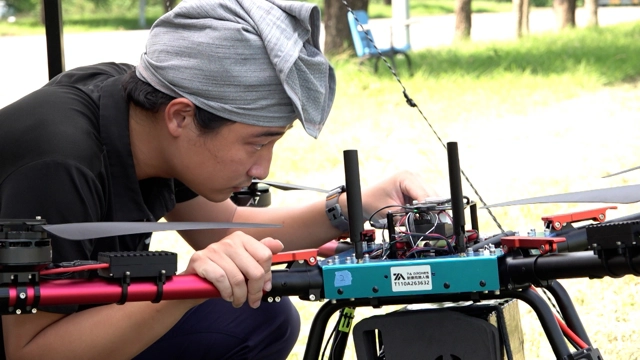 04:10
04:10 00:29
00:29 00:30
00:30 02:00
02:00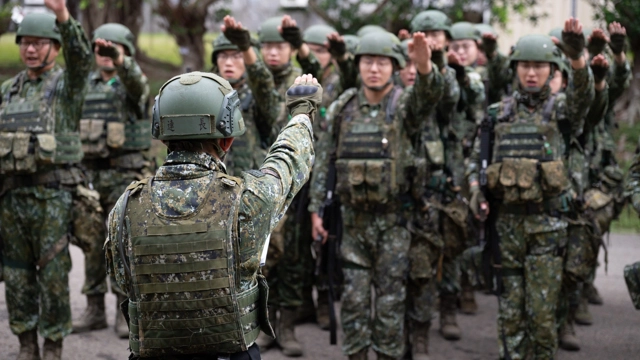 03:18
03:18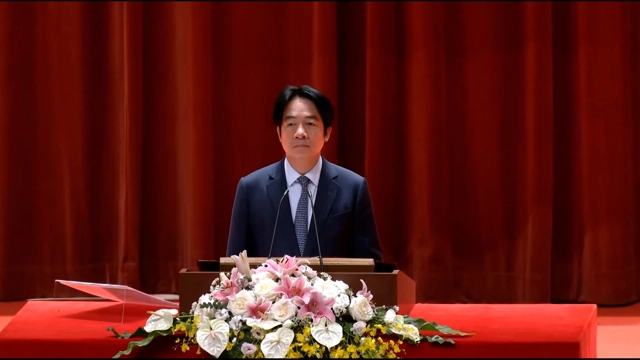 01:03
01:03 01:34
01:34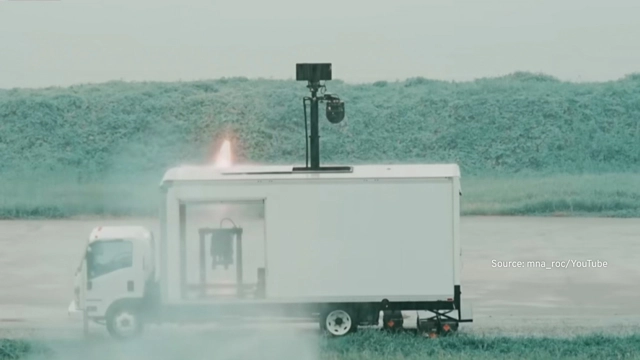 00:51
00:51 00:29
00:29 00:39
00:39 02:47
02:47 00:30
00:30 01:18
01:18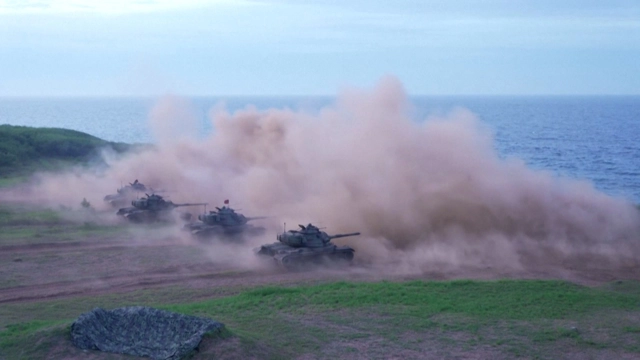 03:49
03:49