Analysis: Taiwan Sees Spike in Chinese Maritime Incursions
By Kris Ma/Lery Hiciano
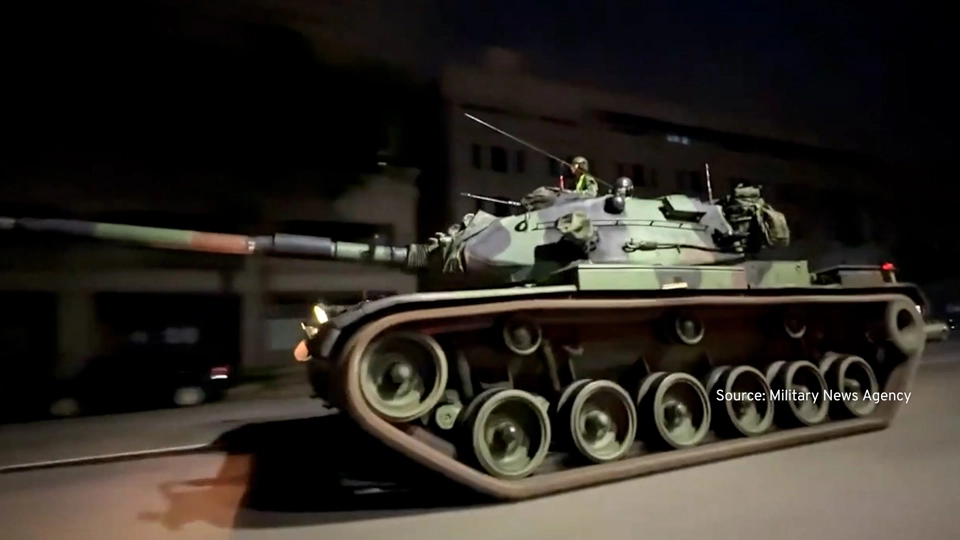
The week after Taiwan's National Day, the country saw a spike in Chinese warships operating in its surrounding waters. Professor Ja Ian Chong from the National University of Singapore speaks to TaiwanPlus about what this could mean.
Title: China Steps Up Maritime and Cyber Pressure on Taiwan
Lery Hiciano
TAIWANPLUS REPORTER
REPORTER:
This is a pretty big escalation. What do you think this suggests?
Ja Ian Chong (PROFESSOR, NATIONAL UNIVERSITY OF SINGAPORE):
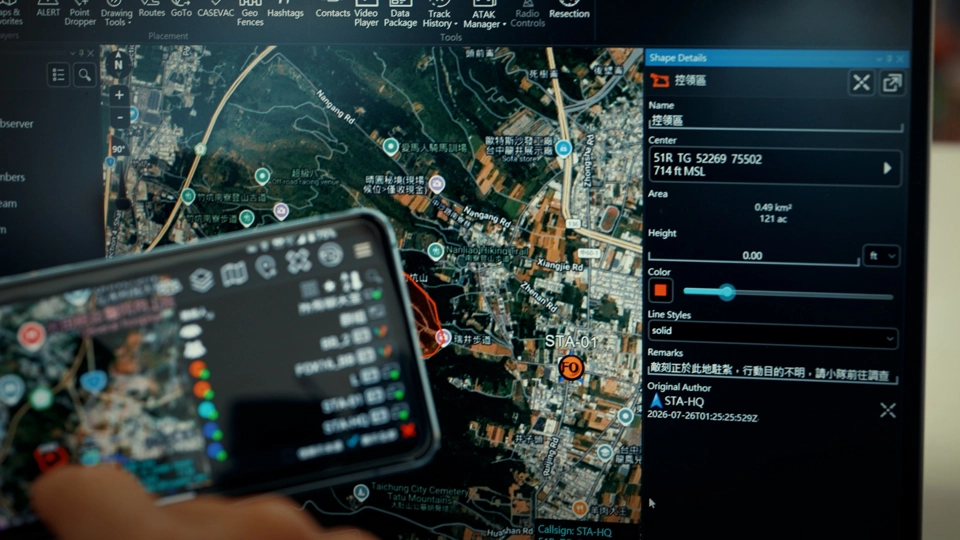
So the high end numbers is, I suppose, new. But it follows a general trend. The PRC has been increasing pressure on Taiwan at sea and in the air, and this has been ongoing for some time before this most recent incident. There were reports of Chinese fishing vessels trying to show themselves up on the information system as PRC destroyers and Coast Guard vessels. So I think what we're seeing of late is an effort to probe Taiwan's responses and to see how Taiwan would react to different kinds of scenarios.
REPORTER:
Do you think the spike indicates a shift in trends or a shift in tactics on China's side?
Ja Ian Chong (PROFESSOR, NATIONAL UNIVERSITY OF SINGAPORE):
This is one data point. It's really difficult to tell whether it's something new unless we see a trend. And you can't see a trend from just one data point.
The overall trend of increasing pressure on areas where the PRC would like to exert more control over whether that's Taiwan, whether that's parts of the South China Sea, whether that is the parts of the East China Sea where it disputes with Japan, that's all just going to persist. It's part of a broader trend that dovetails with increased PRC capability, with PRC wealth and some would argue, increased domestic pressure on the PRC side, given their own economic concerns.
We've seen the KMT chair election. You have accusations of interference. This will continue.
This is part and parcel of the trend. What you see in terms of political interference is not separate from the physical military pressure or from the cutting of submarine cables.
REPORTER:
We just saw that the foreign minister of Taiwan, Lin Chia-lung, spoke to a Japanese outlet, said that the Philippines, Taiwan, and Japan as the first island chain should kind of be working together on some defense issues to combat China's gray zone incursions. What do you think about this tactic?
Ja Ian Chong (PROFESSOR, NATIONAL UNIVERSITY OF SINGAPORE):
So the Philippines and Japan have also been facing pressure at sea with these maritime militia coast guard vessels coming from the PRC to challenge their sovereignty, to challenge areas that they claim.
So it makes sense that there would be some information sharing, some perhaps coordinated activity, depending on the political appetite of these three places.