Taiwan-US Tariff Negotiations and the Shift in Global Trade
REPORTER:
Taiwan and the US have been engaged in trade and other negotiations for months now. How should we look at this most recent joint statement on avoiding currency manipulation?
Gary Ting, CEO of KYMCO capital
Basically, Taiwan and the US have already reached the second or even third stage of their tariff negotiations and they’re close to cutting a deal. During this process, some messages have been delivered.
If you look at South Korea’s tariff negotiations with the US they followed a three-step process. First, both sides discussed a general range for tariff levels. Second, they reached an agreement on currency issues. The final stage was determining how much US goods Korea would commit to importing.
Using that as a benchmark Taiwan is likely in the second stage now meaning some compromise on currency will be needed. After that, the focus will shift to defining import and export items. Once these steps are completed we should finally get clarity on the actual tariff rates between Taiwan and the US.
REPORTER:
What key challenges does Taiwan face in balancing monetary policy with long-term economic performance and resilience?
Gary Ting, CEO of KYMCO capital
Next year, Taiwan will face a critical turning point and we need to look at it from two angles. First, on the political front, de-globalization will continue and geopolitics will remain intense leading to stronger protectionism in many countries. Under these conditions, Taiwan’s traditional model of using itself as a base to export globally and earn foreign income will encounter significant challenges.
Political tensions will intensify further in 2026 which means global exchange-rate volatility will increase. Financial markets have already been highly volatile over the past three years regardless of whether the money is in ETFs, financial products or the stock market.
So as market volatility grows and currency fluctuations widen ability to withstand risk needs to be stronger. These two factors, in my view, will be major challenges Taiwan will face next year.
REPORTER:
The Economist's recent cover story "The Hidden Risks in Taiwan's Boom" highlights some key concerns for the economy moving forward. What are your thoughts on how these risks -- like currency-related weak purchasing power -- might impact the country's economic development?
In the future, every country will start to think this way: “I won’t put economic interests first I’ll put national interests first.” That means I won’t necessarily use the best products but rather the products that help my country earn the most.
This process means Taiwan’s industries will inevitably have to face a more fragmented, protectionist global landscape. TSMC can’t expect a single, Taiwan-based operation to earn a global income anymore. Instead, it will need operations in Germany, Japan and the US each generating revenue in different markets.
Second, in this process Taiwan’s government will have to reconsider its approach regarding its past monetary and fiscal policies that were built on the foundation of globalization. But policies that match today’s anti-globalization environment will need to be different.
 02:02
02:02 00:36
00:36 00:57
00:57 02:03
02:03 00:26
00:26 00:35
00:35 00:27
00:27 02:16
02:16 02:16
02:16 02:53
02:53 00:33
00:33 01:43
01:43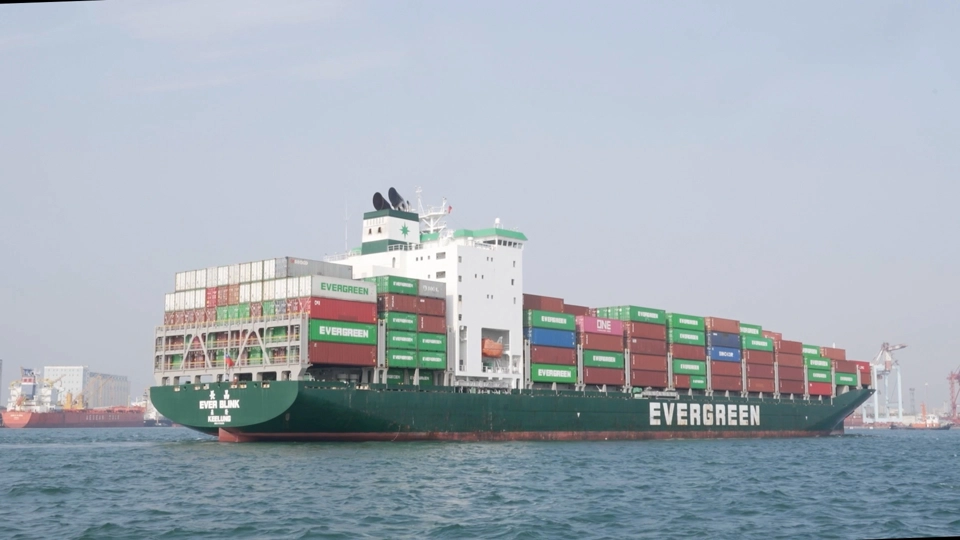 00:31
00:31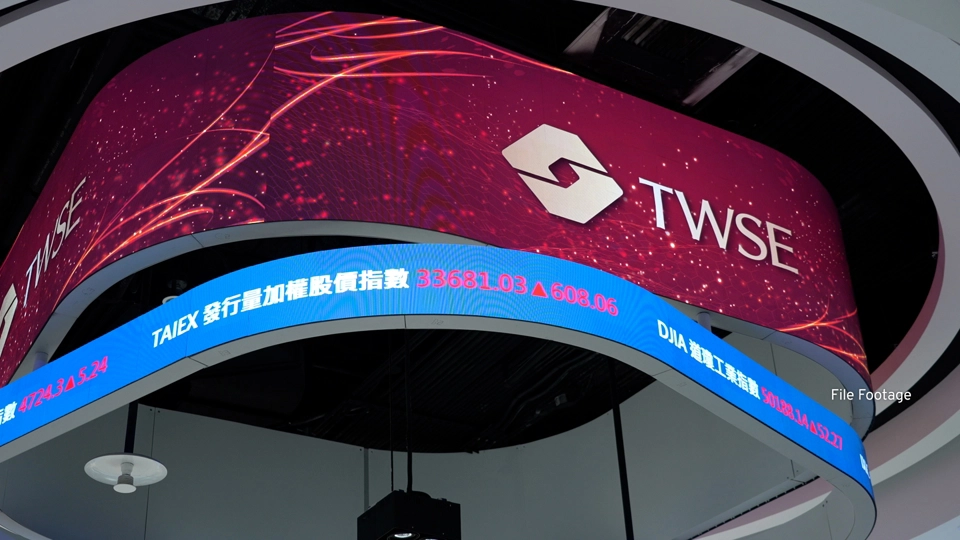 00:50
00:50 00:32
00:32 04:46
04:46