REPORTER:
Could you briefly explain the current situation regarding the U.S. Supreme Court questioning Trump’s authority on tariffs?
EXPERT
The imposition of tariffs in the US is primarily a power of Congress, not of the president. However, Trump invoked the 1977 International Emergency Economic Powers Act. That law is mainly intended for use against countries that are hostile to the US, which allows the US government to take certain trade measures to sanction those nations.
We can see that most of the Supreme Court justices believe Trump does not have the authority to impose tariffs on his own. Therefore, it’s possible that Trump’s current reciprocal tariffs as well as the previous fentanyl tariffs might be overturned.
REPORTER:
If the Court rules against the tariffs, how could this impact Taiwan? Which industries in Taiwan might benefit or face challenges?
EXPERT
Taiwan’s 20% tariff would be lifted and we would return to the US’ Most-Favored-Nation tariff rate, which is a little over 3%.
This would bring some positive effects to Taiwan’s industries. However, I want to point out another important issue: The measure that would have the greatest negative impact on Taiwan actually comes from Section 232 of the US Trade Expansion Act, which concerns semiconductor tariffs.
Many products related to semiconductors are included under that section, such as smartphones, laptops, and servers. These are Taiwan’s main export products, accounting for about 70% of our total exports.
So, the biggest concern is not reciprocal tariffs but rather the Section 232 regulations, which remain unfinalized.
REPORTER: What is your view on Taiwan’s economic outlook in light of this potential tariff decision?
EXPERT:
Once the semiconductor tariffs are implemented, our exports could experience a sharp decline and that would be a major challenge for Taiwan’s future economic growth.
If a new trade deal with the US is reached and we commit to making large investments there, it would mean that many Taiwanese companies would shift their investment focus from Taiwan to the US. This would, in turn, affect private investment in Taiwan. Not only would this impact our GDP in the current year, it would also influence our GDP growth over the next three, five or even ten years since investment is the most important driving force of economic growth.
 02:02
02:02 00:36
00:36 00:57
00:57 02:03
02:03 00:26
00:26 00:35
00:35 00:27
00:27 02:16
02:16 02:16
02:16 02:53
02:53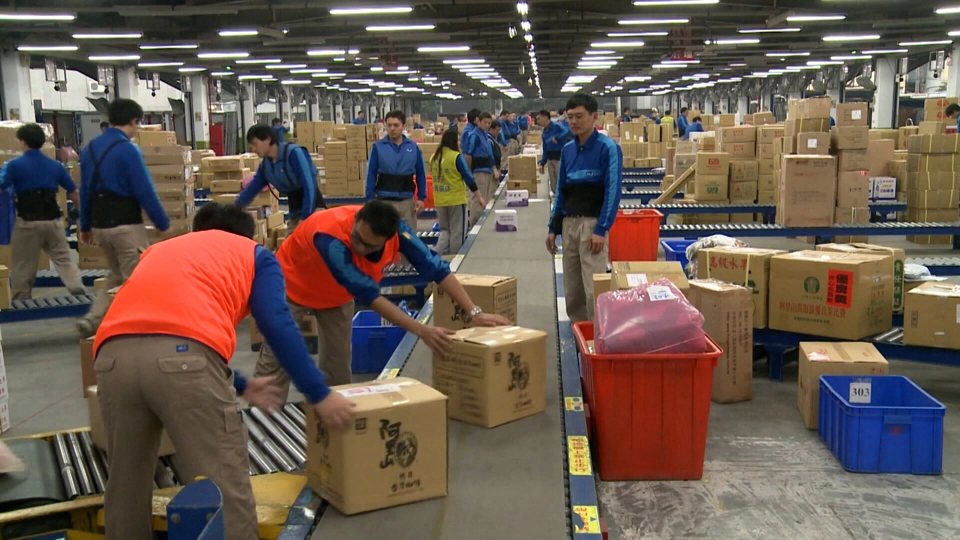 00:33
00:33 01:43
01:43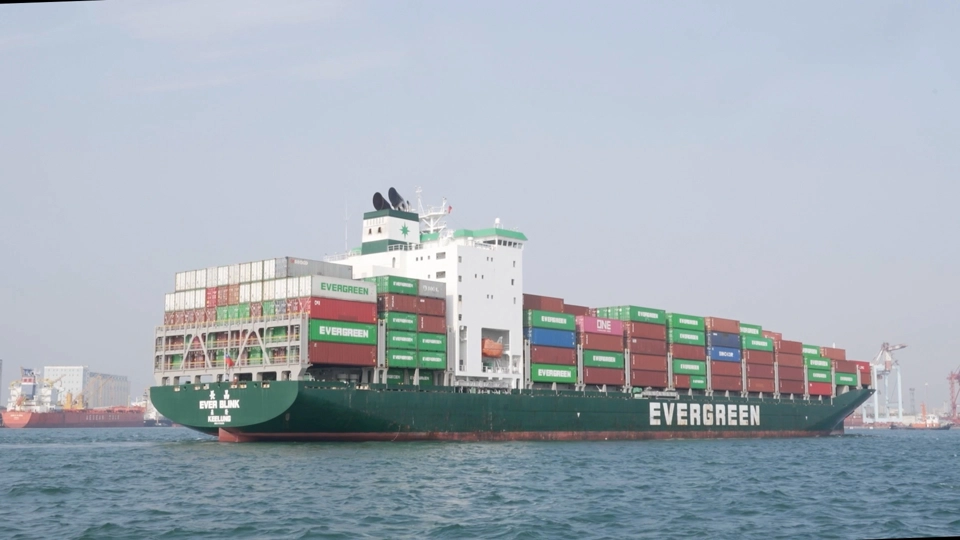 00:31
00:31 00:50
00:50 00:32
00:32 04:46
04:46