This AI-generated summary is based on reporting by TaiwanPlus and verified by newsroom fact checkers. Learn more about our policy here.
TAIPEI — As the United States signals another shift in trade policy under President Donald Trump, Taiwanese technology firms are facing renewed uncertainty. Tariff threats targeting semiconductors and pharmaceuticals have stirred concern, but some companies are pushing ahead with major launches and others are preparing contingency plans.
California-based AMD unveiled its latest processor, codenamed “Venice,” built with Taiwan Semiconductor Manufacturing Co.’s (TSMC) 2-nanometer process—the most advanced chipmaking technology on the market.
“Ecosystems are very interconnected,” said AMD chair and CEO Lisa Su during a recent visit to National Taiwan University. “From a United States standpoint, we do rely a lot on the Taiwan manufacturing ecosystem and trying to build resilience into that ecosystem is important.”
Although semiconductors had initially been spared from Trump’s sweeping “reciprocal tariffs,” the policy’s sudden rollout triggered several days of market instability. A subsequent 90-day pause in tariff enforcement has opened space for negotiations. Adding to the confusion, U.S. customs briefly exempted key consumer electronics—only for Trump’s team to later backtrack on those exclusions.
Taiwan Premier Cho Jung-tai emphasized flexibility while protecting national priorities.
“Our approach to negotiations is that any issue is up for discussion,” Cho said. “But for us, our national interest and our industrial competitiveness are the foundation for our talks with the U.S.”
The mixed messaging from Washington, however, is raising concerns over its credibility in trade talks.
“It hurts the talks, honestly,” said Riley Walters, a senior fellow at the Hudson Institute. “The thing that everyone will want to talk about is commitments. They want clarity and at this point, we are not seeing clarity from this administration.”
He added, “It's hard for, let's say, a leader like President Lai to have his team come to Washington and say, look, we're willing to give you all these things. But for what end?”
Taiwanese electronics companies are already feeling the impact. Planet Technology, which manufactures internet connectivity devices, found itself among those briefly exempted from the proposed 32% tariff. But CEO Jack Chen said the abrupt policy changes caught many off guard.
Chen said, “The tariffs are not controlled by us. We only can follow.”
Chen said the company is responding by strengthening its R&D efforts and looking beyond the U.S. market. “We have to keep up our R&D commitment to develop more and more innovative technologies into the market,” he said. “But on the other hand, we have to think about finding other opportunities apart from the United States.”
While trade talks continue, Taiwan’s strategy remains focused on resilience and adaptability. The country is walking a careful line—preserving its strategic role in the global tech supply chain while preparing for further shifts in U.S. economic policy.
 02:20
02:20 00:36
00:36 00:33
00:33 02:05
02:05 01:12
01:12 05:35
05:35 04:10
04:10 02:44
02:44 02:21
02:21 02:06
02:06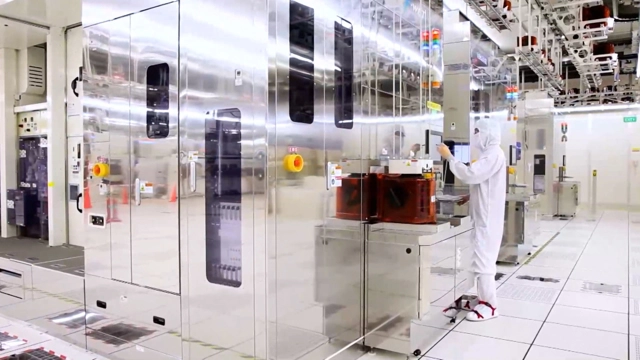 00:24
00:24 04:03
04:03 02:47
02:47 04:22
04:22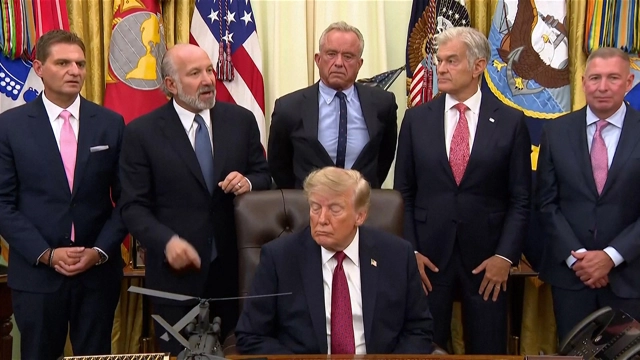 01:47
01:47 01:24
01:24