Chinese Influence on ChatGPT
REPORTER:
The AI company OpenAI recently reported that the Chinese government has used ChatGPT for surveillance and cyber operations, including attempts to target Taiwan's semiconductor sector.
To understand what this means for China’s influence over AI tools like ChatGPT — and how Taiwan can respond — our reporter Alan Lu spoke with Crystal Tu, an information warfare expert at the Institute for National Defense and Security Research.
---
Interview: Crystal Tu on China Using ChatGPT
REPORTER:
OpenAI recently reported that the Chinese government has used ChatGPT for surveillance and censorship. What risks do you see when an authoritarian regime uses AI tools like that?
Crystal Tu (ASSISTANT RESEARCH FELLOW, INDSR):
It's not just only because of the violation of human rights, but the potential to do the actual harm to people's lives, as we see in the Chinese targeting minority Uyghurs. And it's not just about within their countries, but they also utilize these kinds of tools to targeting overseas Chinese community.
And that is a significant usage in the long arms, and controls overseas. So that will be a clear violations for the rule of laws and also the violation of human rights in this concept.
REPORTER:
The report also says that China-linked accounts use ChatGPT to draft phishing emails targeting specifically Taiwan semiconductor sectors. What do you think is the goal behind that?
Crystal Tu (ASSISTANT RESEARCH FELLOW, INDSR):
The nature for Chinese, this kind of threat adversary actors, sometimes they are acting more like a data brokers.
Understanding the Taiwan semiconductor sectors and how the Taiwan's response to the entire Taiwan and US trade negotiation, that's a very important information, too. So from China's perspective, all this data has the name tag and price on it. And that that creates the incentive not just from national interest but also economic incentive for this threat actor to specifically targeting semiconductor industry.
REPORTER:
For an AI company like OpenAI, besides exposing malign activities, what else do you think can be done to counter China's influence operations?
Crystal Tu (ASSISTANT RESEARCH FELLOW, INDSR):
I think for the companies like Chatgpt, because it's large user base right now, is more has the kind of public obligation as a responsible actors to be transparent of the modeling and adversarial usage.
And what is the greatest challenge I will say for ChatGPT is that China obviously will try to measure the scope and scale of ChatGPT operations, and they will try to understand how ChatGPT responds to certain actions or certain questions that might consider as a harm to Chinese legitimacy. So that's a challenge
to try to put that kind of restrictions, but also not limit the legitimate use for other normal users.
REPORTER:
That was Crystal Tu, an assistant researcher at INDSR.
 03:07
03:07 03:23
03:23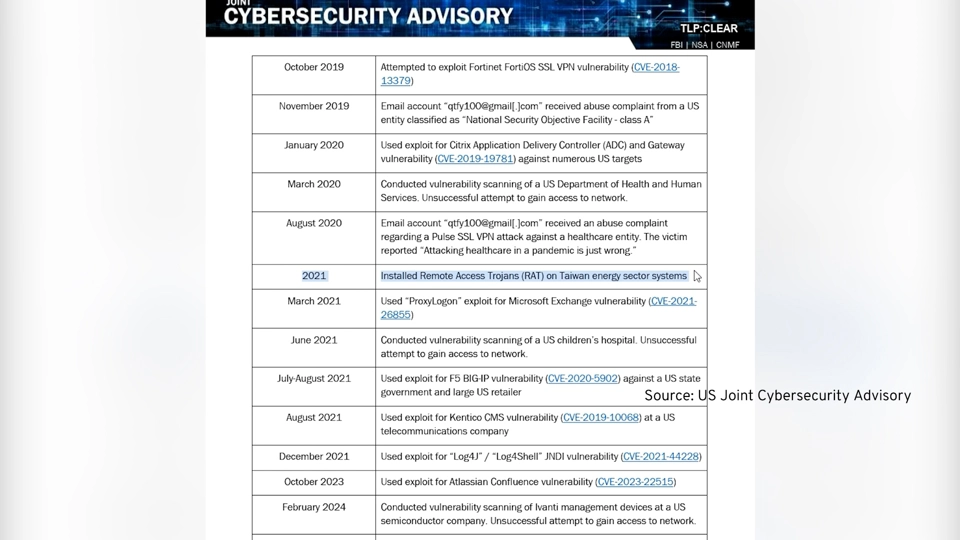 00:42
00:42 02:42
02:42 02:54
02:54 00:25
00:25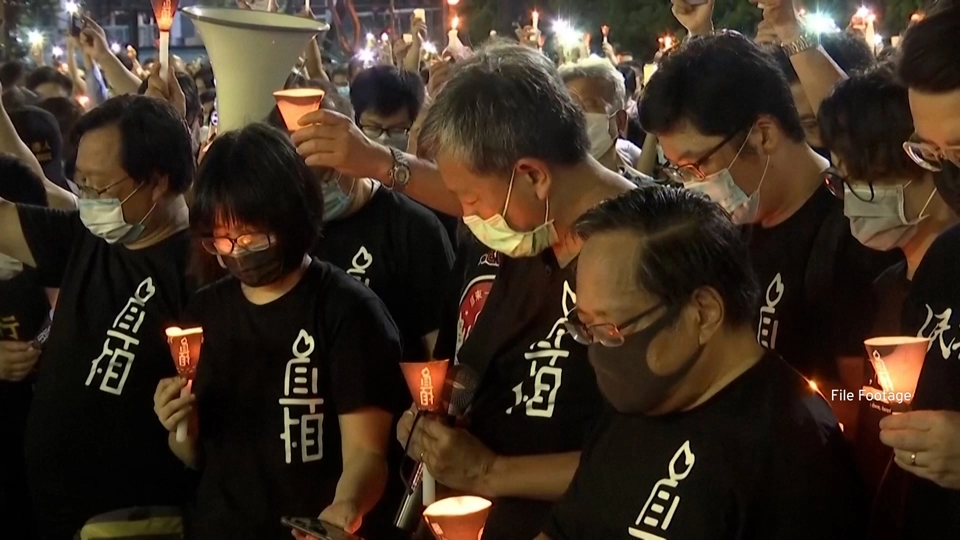 00:46
00:46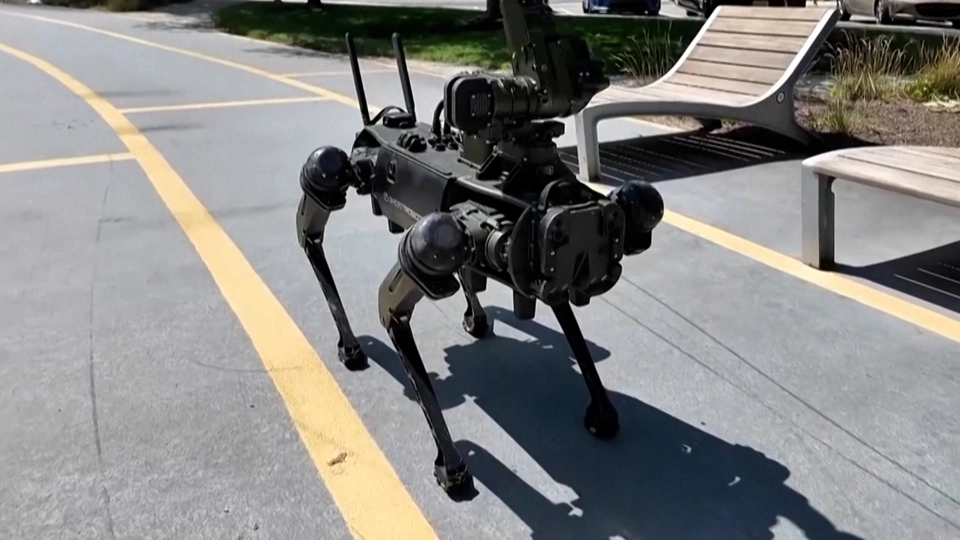 02:36
02:36 00:33
00:33 02:50
02:50 00:27
00:27 02:36
02:36 00:25
00:25 00:25
00:25 00:34
00:34 02:56
02:56