China and the U.S.’ defense ministers have met in Cambodia for their second in-person meeting this year. Though the talks signal a thaw in the U.S.-China relationship that began with the much-anticipated face-to-face between Joe Biden and Xi Jinping on the G20 sidelines, the U.S.’ 2022 National Defense Strategy still names China as Washington’s “pacing challenge,” while Russia is an “acute threat.”
In this episode, we get an insider’s view of American national security, an assessment of Taiwan’s defenses, how it can deter China, and where the PLA’s most acute weaknesses lie.
Our first panelist is Ivan Kanapathy, Vice President of Beacon Global Strategies, a Senior Associate and Freeman Chair in China Studies at the Center for Strategic and International Studies, formerly U.S. National Security Council Director for China, Taiwan, and Mongolia, and Deputy Senior Director for Asian affairs. Kanapathy also served as a military attache at the American Institute in Taiwan and was an F-18 naval flight officer and TOPGUN instructor.
He’s joined by Vincent Chao, former Political Director for TECRO, Taiwan’s Representative Office in the United States and currently Adjunct Fellow at the Center for Strategic and International Studies, Asia Program and China Power Project.
Taiwan Talks Chief Host Yin Khvat also spoke to Gregory B. Poling, who directs the Southeast Asia Program and Asia Maritime Transparency Initiative also at the Center for Strategic and International Studies, where he is a senior fellow and author of “On Dangerous Ground: America’s Century in the South China Sea.”
Topics discussed:
- Why Taiwan should not publicize ADIZ incursions and transits across the median line
- Kanapathy’s comments to Nikkei Asia about Taiwan defense’s “narrow window” for “transformation”
- When China could invade Taiwan
- How Beijing is attempting to get around its weakness in amphibious and air assault lift capacity and how this relates to Taiwan
- What invasion scenarios should Taiwan plan for
- Significance of China’s PLA Commander for East Theater Command – responsible for Taiwan Strait – being promoted to the 7-member committee at the Central Military Commission
- Kanapathy’s insight from working in the U.S.’s National Security Council between 2018 and 2021– during the biggest shift in US policy toward China in 40 years
- Painting the picture of the Chinese threat as seen by the U.S. over the past 5-10 years
- Main triggers in that time, shifting the dynamic between the U.S. and China
- Differences in Republican and Democrat positions in defense and security during Kanapathy’s time at the NSC
- Why Chinese civilian transport vehicles are being designed to ensure they are big enough to hold military vehicles
- How Beijing is harnessing Military-Civil Fusion (MCF) strategy to turn the PLA into a “world-class military” by 2049
- The Chinese say their MCF strategy is based on an old U.S. strategy: How are the two different?
- Does all this sound like the Cold War?
- How far can the U.S.’s chip export controls on China hold Beijing back?
 26:00
26:00 24:16
24:16 25:06
25:06 26:47
26:47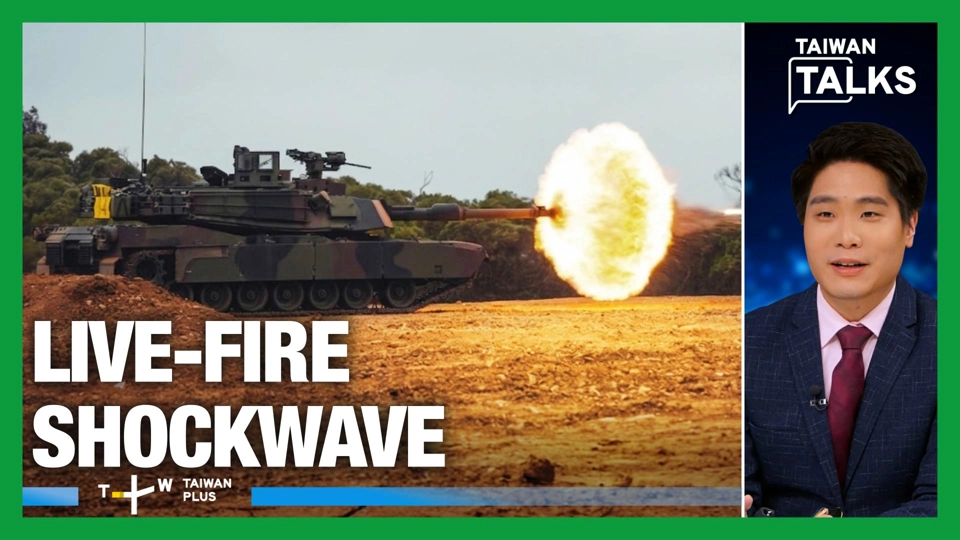 25:17
25:17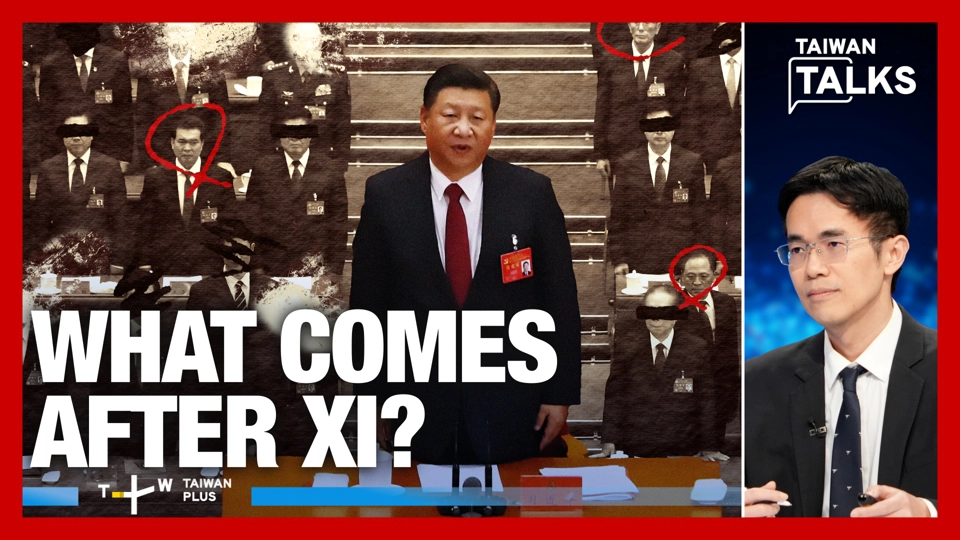 23:17
23:17 23:56
23:56 24:48
24:48 24:56
24:56 26:46
26:46 25:01
25:01 24:56
24:56 26:09
26:09 26:47
26:47 25:31
25:31 26:15
26:15