U.S. President Joe Biden, Japan Prime Minister Fumio Kishida, and South Korean President Yoon Suk-yeol released a joint statement pledging closer cooperation amidst North Korea provocations during the ASEAN Summit in Phnom Penh. All three countries also reiterated their commitment to peace and stability in the Taiwan Strait.
Kim Jong-un fired dozens of ballistic missiles in mid-November with one landing near South Korea’s territorial waters, the first since the two countries split. Rising global tensions have led the Pentagon to list Russia, China, North Korea, and Iran amongst its military and nuclear challenges and threats. Taiwan Talks examines how Taiwan can tread this increasingly thin line in managing nearby hotspots with Xi Jinping’s increasing aggression. Will Taiwan be on the brunt of collateral damage given its geostrategic location on the first island chain?
In this episode, Charles Wu, National Chengchi University Associate Professor of Diplomacy and Albert Chiu, Tunghai University Political Science Professor, both experts in regional and Taiwan-U.S.-China relations, share with us their analyses of simmering tensions in the Korean Peninsula and the role of regional U.S. allies on Taiwan security. We also hear from Patrick Cronin, Hudson Institute Asia-Pacific Security Chair, long-time researcher of North Korea and former U.S. diplomat and defense official and Bob Sutter, George Washington University Professor of Practice of International Affairs, also a former foreign service officer and longtime expert on East Asian geopolitics based in Washington, D.C.
Topics discussed:
- U.S. Department of Defense 2022 Nuclear Posture Review: Russia, China, North Korea, and Iran are listed as potential U.S. nuclear adversaries
- Rising tensions in the Korean Peninsula: implications behind Kim Jong-un’s ballistic missile launches, including one landing near South Korea’s territorial waters
- Xi Jinping Third Term: Rising China threat with the PLA’s rapid military and refusal to renounce the use of force over Taiwan
- Response and contingency plans of the U.S. and its allies, from Australia, South Korea to Japan, in the case of a Chinese invasion of Taiwan
- Operation Vigilant Storm: Largest joint air drills between the U.S. and South Korea in recent history and Australia’s increased role as it also took part in the drills
- How the U.S. can more effectively support Taiwan in deterring a Chinese invasion
- Strategic boost for Taiwan’s national defense through enhanced economic ties with the U.S. and other democratic partners
- Taiwan’s soft power and lessons learned from Ukraine in boosting the country’s profile to garner more international support and building a network of collective defense of democracies around the world
 26:00
26:00 24:16
24:16 25:06
25:06 26:47
26:47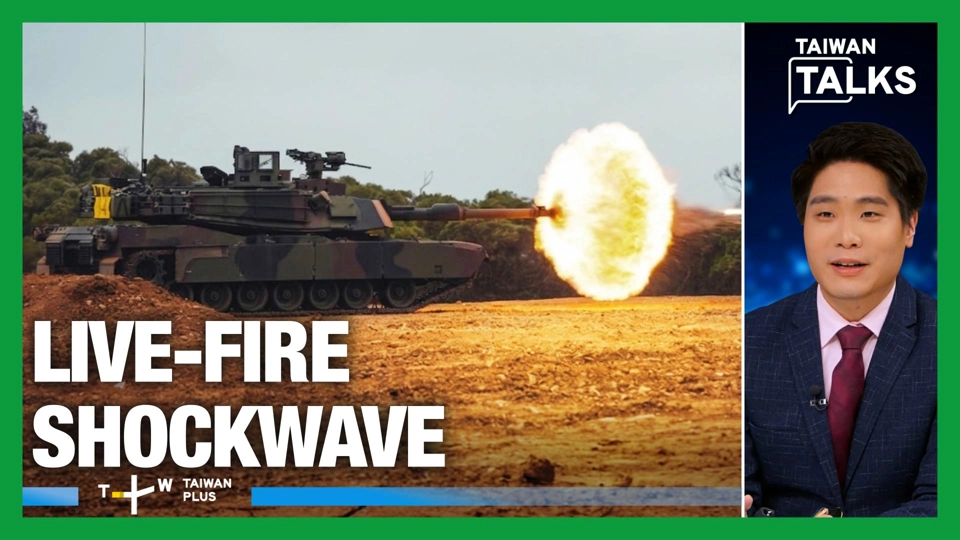 25:17
25:17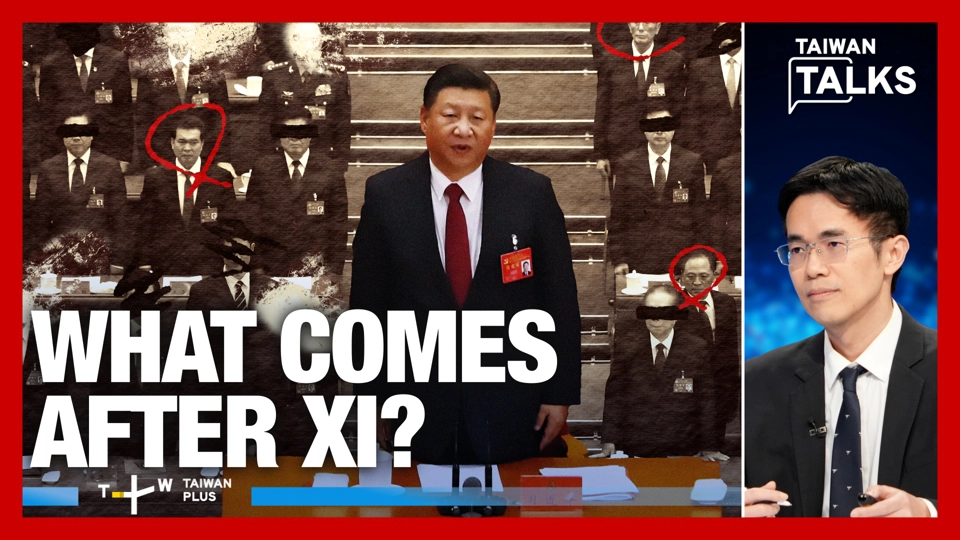 23:17
23:17 23:56
23:56 24:48
24:48 24:56
24:56 26:46
26:46 25:01
25:01 24:56
24:56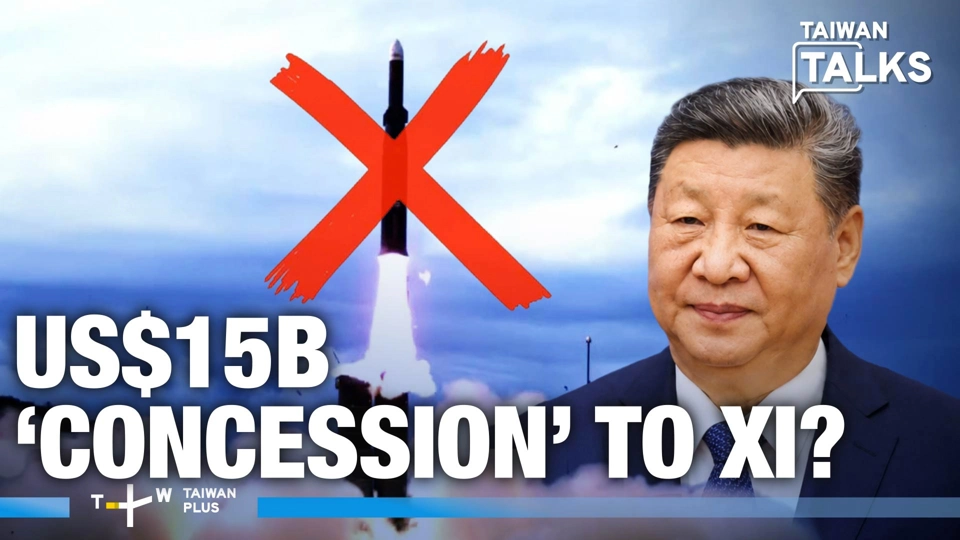 26:09
26:09 26:47
26:47 25:31
25:31 26:15
26:15