As the Chinese Communist Party’s 20th National Congress draws to a close, will Xi Jinping’s leadership style change as he enters his historic third term? Taiwan Talks examines the CCP’s party structure and the potential change from a party-led oligarchy to one-man ruled dictatorship. As Xi refused to renounce the use of force over Taiwan, we dive into what this could mean for peace across the Strait.
In this episode, Raymond Sung, Taiwan New Constitution Foundation Deputy CEO and Wen-ti Sung, Australian National University’s Australian Center on China in the World Lecturer speak with Taiwan Talks on what we should expect for the region’s geopolitics and economy in Xi’s third term. We also hear from Steve Yates former White House, Deputy Assistant to the Vice President for National Security Affairs on the what this could mean for Taiwan’s self-defense; Michael Sheridan, author of ‘The Gate to China, an epic history of the rise of the People’s Republic and the decline of Hong Kong’ on Xi’s rise to power; and Alex Capri, Hinrich Foundation research fellow and NUS lecturer on opportunities for Taiwan amidst increasing Chinese aggression.
Topics discussed:
- What Xi means by “the resolution of the Taiwan issue”
- Is there room for a new consensus between Taiwan and China?
- Xi’s leadership style and how the CCP perceives it
- Increased military conflict miscalculation in Xi’s third term?
- How China’s uses Taiwan as part of its “national rejuvenation” campaign
- Will China’s economic slowdown be a pretext for invading Taiwan?
- Is Xi stable or erratic and what CCP power balance mechanisms are in place?
- “Xi Jinping thought” a new form of Marxist or Mao-style nationalism?
- Xi’s third-term priorities
- Deterioration of individual freedoms in China
- Regional allied response of an increasingly assertive and aggressive China
- Economic opportunities for Taiwan as U.S.-led supply chains decrease reliance on China
 26:00
26:00 24:16
24:16 25:06
25:06 26:47
26:47 25:17
25:17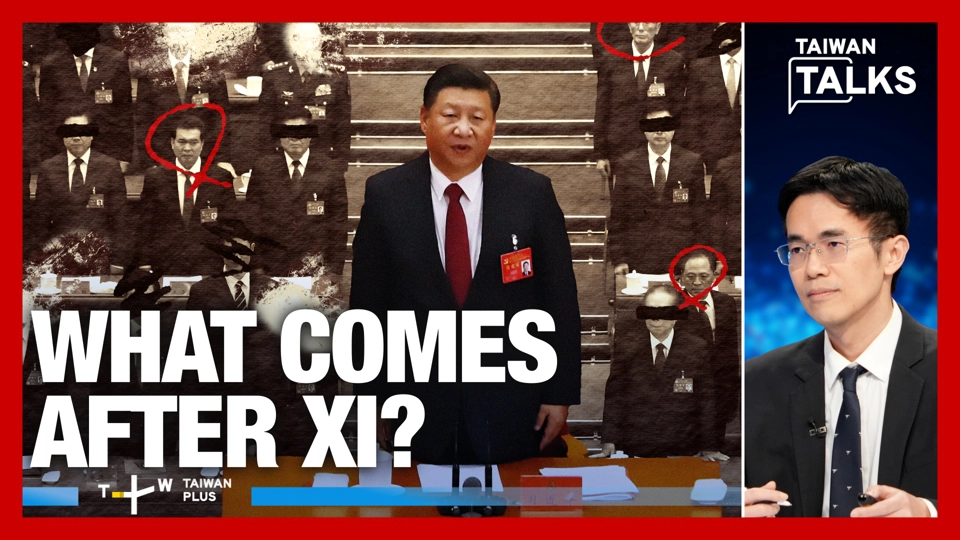 23:17
23:17 23:56
23:56 24:48
24:48 24:56
24:56 26:46
26:46 25:01
25:01 24:56
24:56 26:09
26:09 26:47
26:47 25:31
25:31 26:15
26:15