China has hit back at U.S. chip export controls with a US$143 billion semiconductor stimulus package of its own. In this show, we discuss how seismic changes in the semiconductor landscape, including TSMC’s 3-nanometer and 4-nanometer Arizona fabs, will impact Taiwan.
We ask whether the world’s largest contract chipmaker’s U.S. plant heralds a new era for the global chip supply chain and delve into what challenges and opportunities lie ahead.
Our panelists are Lee Chen-yi, National Yang Ming Chiao Tung University Senior Vice President and Professor at the Institute of Electronics. Lee is also a MediaTek Education Foundation Board Member. And Marco Mezger, Neumonda Chief Operating Officer.
We also speak to:-
• Wang Mei-hua, Taiwan Economic Affairs Minister
• Konrad Young, former TSMC Director and currently University of California, Berkeley Chair and Professor
• Roy Lee Chung-Hua Institution for Economic Research (CIER) Taiwan WTO Center Deputy Director.
Topics discussed:
- How will the war over advanced chips affect the global semiconductor industry?
- Global semiconductor turnover in the third quarter of 2022 dropped 6.7% on the second quarter. When is a recovery likely?
- Yet Taiwan is continuing to outstrip the global semiconductor industry. Taiwan’s Industrial Technology Research Institute (ITRI) estimates Taiwan’s production value will grow 6.1 percent annually to about US$161.5 billion next year. Though this is down from the 10% growth originally predicted. Why is Taiwan bucking the global trend?
- Is TSMC starting a trend of brain drain out of Taiwan with hundreds of engineers relocating stateside?
- There are also reports UMC will open a U.S. fab in Detroit
- Should Taiwan be concerned that South Korea is 6 months ahead of TSMC in manufacturing 3nm chips?
- How Japan is working with eight Japanese heavyweights including Toyota Motor, Sony Group and telecoms giant NTT to produce 2-nm chips within the next five years, according to NHK.
- Would Japan and South Korea’s chip industries also be impacted by any Taiwan Strait contingency?
- Why de-Taiwanification (lessening the reliance on Taiwan in the supply chain), brought on by fears of China’s threats against Taiwan, is not possible
- How in the EU, US$44.4 billion in state aid has been agreed to kick-start the bloc’s semiconductor production, as part of its own CHIPS Act
- Why the EU has the goal of producing 20% of the world’s semiconductors by 2030 and how Intel, GlobalFoundries, and others have already announced sites there
- How the UK government has ordered a Chinese-owned company Nexperia to unwind its takeover of Britain’s biggest chipmaker Newport, citing national security concerns
- Will we see more government interventions against Chinese takeovers in the West?
 25:16
25:16 26:15
26:15 25:14
25:14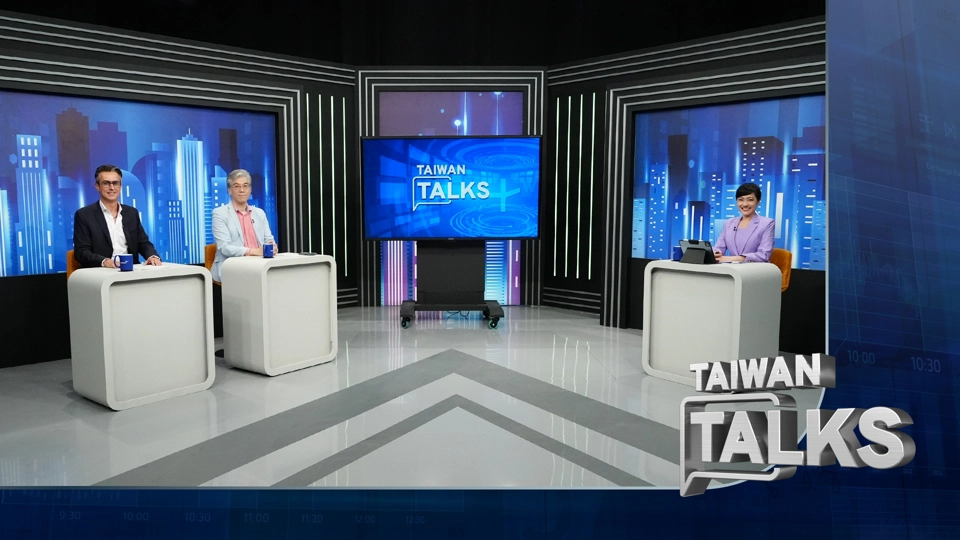 26:46
26:46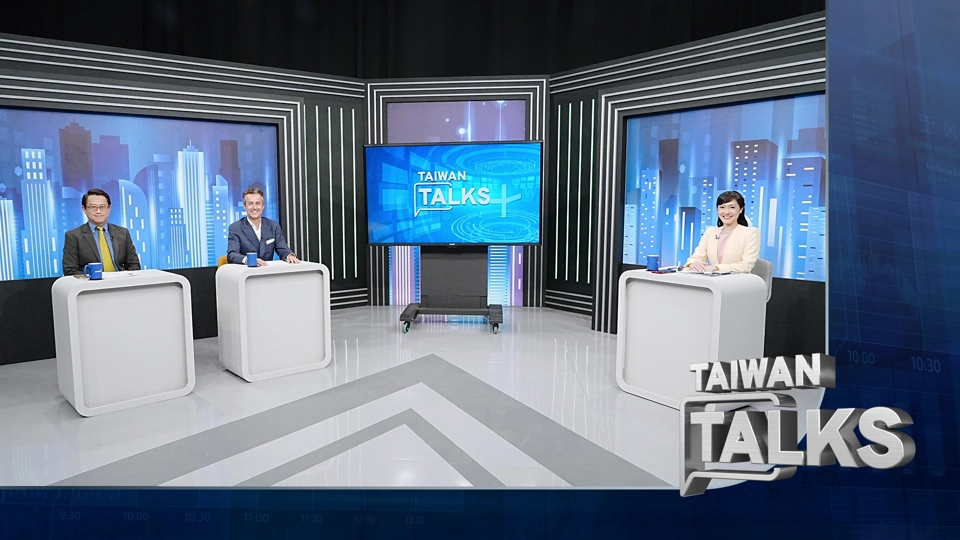 26:45
26:45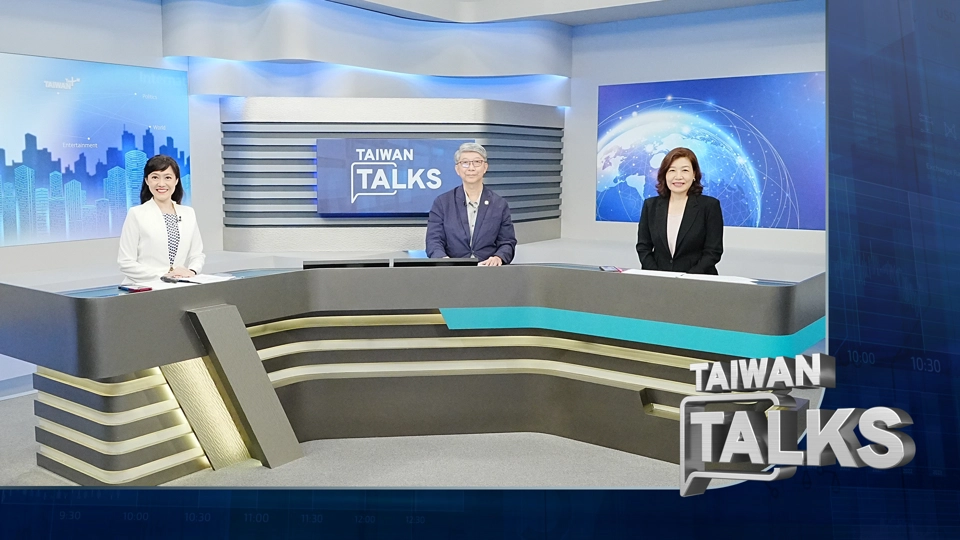 26:46
26:46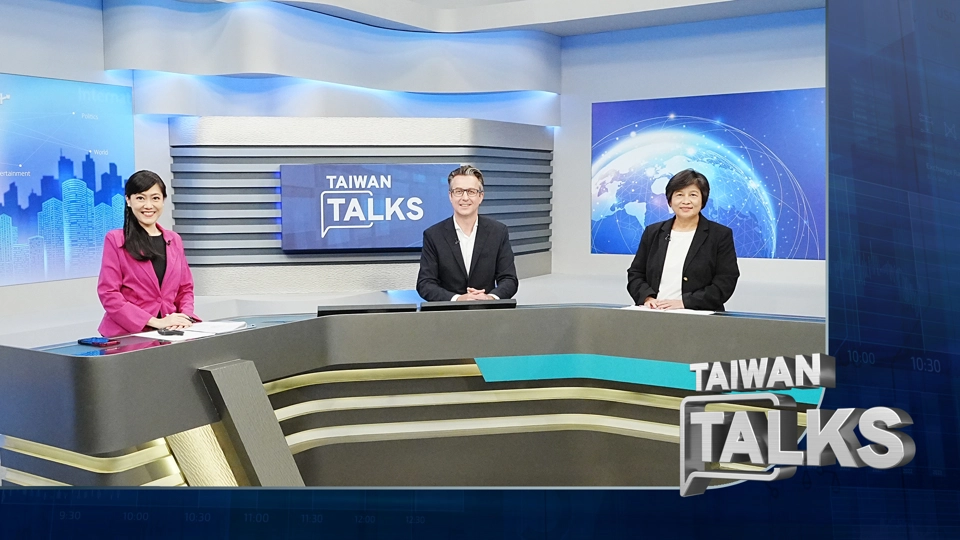 26:46
26:46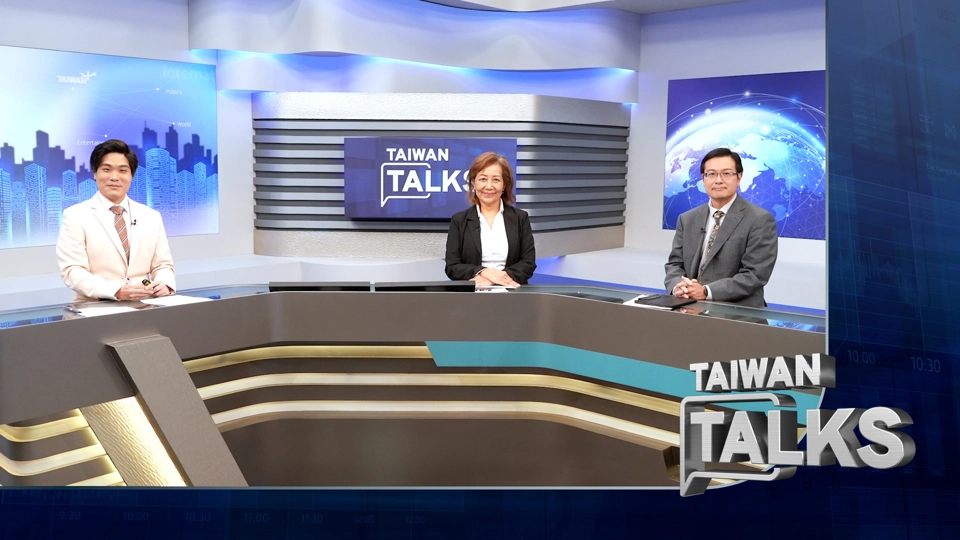 26:46
26:46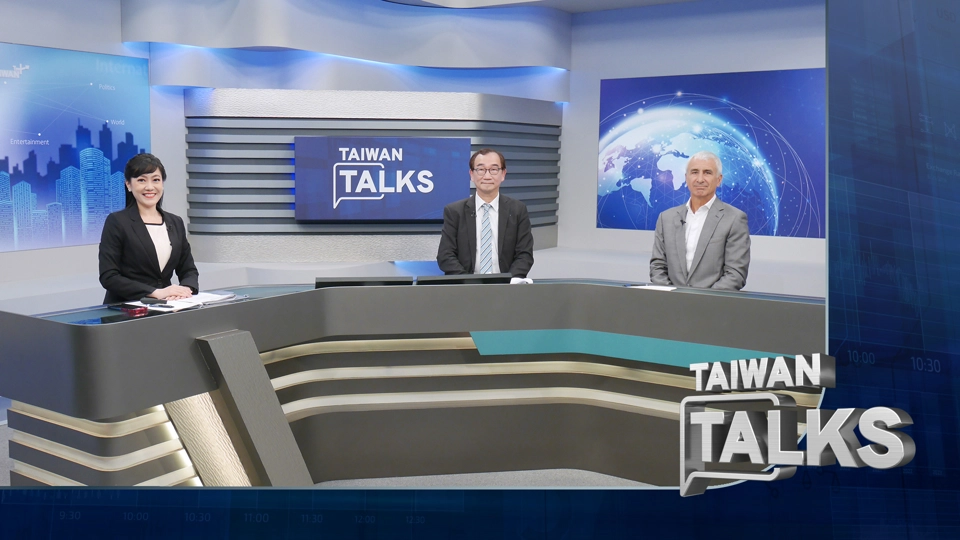 26:46
26:46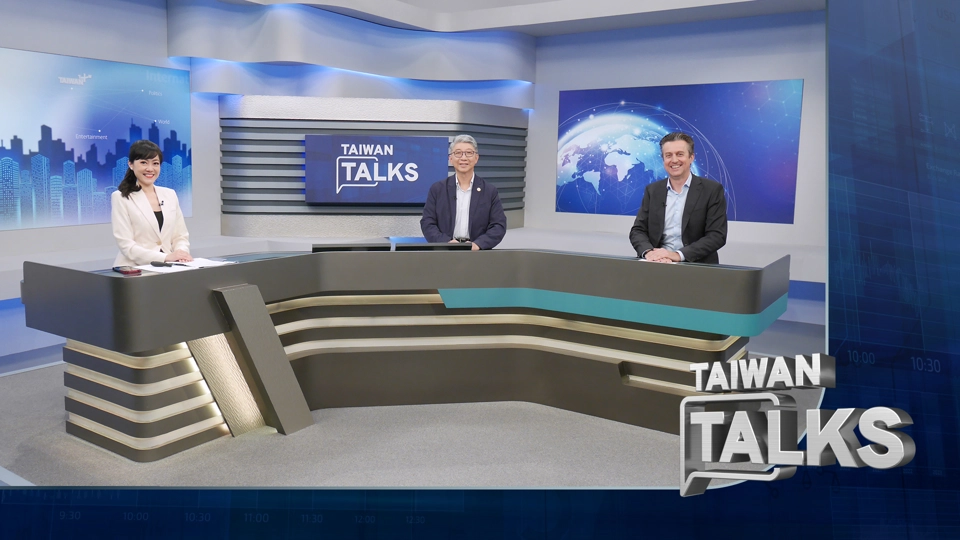 26:46
26:46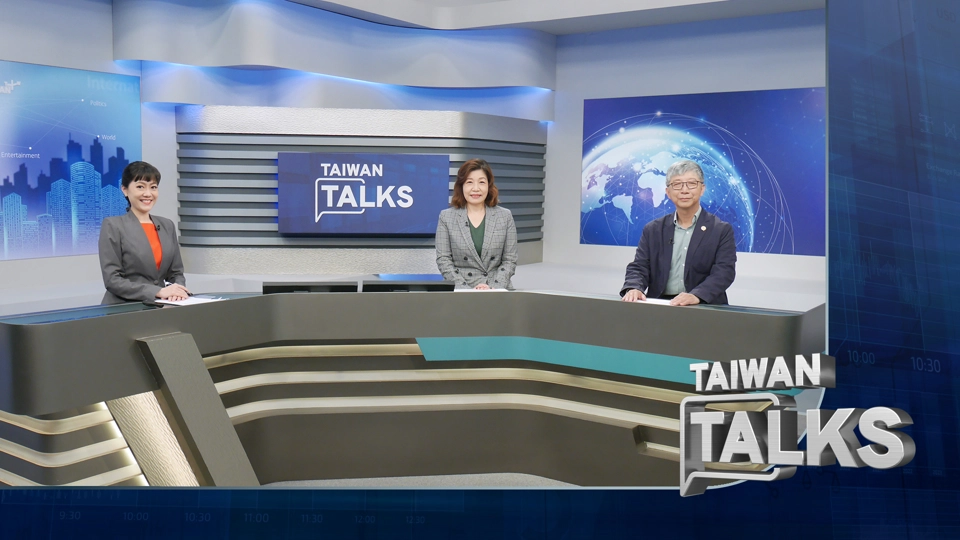 24:47
24:47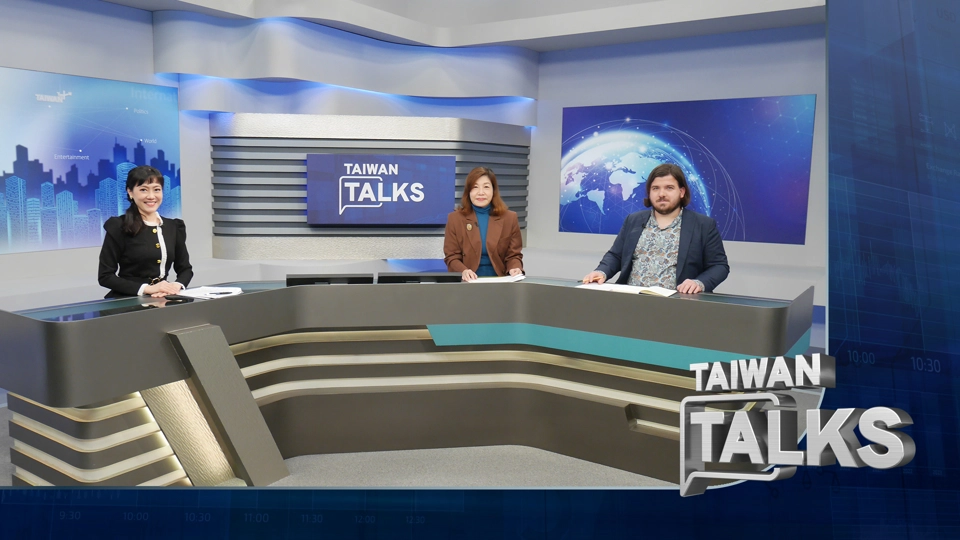 26:46
26:46 26:42
26:42 23:41
23:41 26:34
26:34 27:00
27:00