A new legislative session has begun and Taiwan’s lawmakers are coming out hard.
On Wednesday, Kuomintang lawmakers announced a proposal to introduce caning as a punishment for serious crimes... citing examples of its use in Singapore.
HSU YU-CHEN, KMT LAWMAKER:
"We want to emphasize that this is not indiscriminate corporal punishment but strictly limited to serious offenses including driving high severe sexual violence, child abuse resulting in death and major fraud—intolerably heinous acts."
The KMT’s proposal comes after their push for a referendum on the issue was rejected from the ballot earlier this year. They say caning has widespread public support... but the ruling Democratic Progressive Party has questions about its efficacy.
CHUANG JUI-HSIUNG, DPP LAWMAKER:
"Once the legislation is proposed what evidence is there to prove that caning as punishment for sexual assault, child abuse or drug-impaired driving will lead to a rapid decline or complete eradication of these crimes in Taiwan?"
Earlier this week, the KMT also called for a cash handout from tax surpluses to more evenly distribute the country’s high-tech economic gains to the people.
At 600 US dollars... their figure is double what President Lai Ching-te proposed in the 2027 budget.
But lawmakers from the TPP, Taiwan third-force opposition party, have suggested giving the funds to vulnerable groups or using it to pay the national debt.
HUNG YU-SHIANG, TPP CAUCUS LEADER:
"If we’re investing in the future what's the right amount? Should some be reserved for a contingency fund? More importantly, should we be using it to pay off debt?"
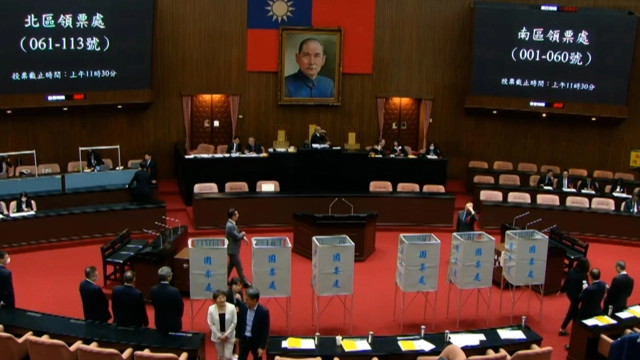
Meanwhile, in a sweeping vote... the opposition parties joined forces to reject all 27 of President Lai's nominees for the Control Yuan.
The government watchdog needs to fill seats after dozens of members termed out earlier this year. It comes amid widespread calls across parties to abolish the agency entirely... though a path to removal faces legal challenges.
With party differences already showing in this legislative session, November’s local elections will give citizens a voice to express how they feel about the government.
 02:17
02:17 00:28
00:28 00:34
00:34 00:37
00:37 00:54
00:54 00:28
00:28 01:29
01:29 00:43
00:43 02:08
02:08 01:35
01:35 01:22
01:22 00:37
00:37 00:34
00:34 02:11
02:11 02:47
02:47 02:20
02:20